
When an engine stops on I-40, it’s not just a mechanical failure, it’s a supply chain brought to a screeching halt. Drivers are stuck, customers are checking their watches, and somewhere, a promise is being broken. For many business owners in Oklahoma City, a blown tire or a snapped belt seems like just another repair bill. But thinking that way is like burning money.
These interruptions create ripples that disrupt your entire schedule, tarnish your hard-earned reputation, and eat away at your profit margins. Taking the time to understand what’s really causing these failures can completely change the game. It’s the difference between constantly putting out fires and making sure a spark never has a chance to catch.
Key Takeaways
- Old, tired machinery is the culprit behind more than 40% of the unexpected stops that plague industrial and transport businesses.
- Investing in preventive maintenance pays off big time, saving you from reactive repairs that can cost two to three times as much.
- When an operator makes a mistake, it’s usually a sign of inadequate training, not a case of not caring.
- Dirty oil is a silent killer, responsible for most failures in bearings and other oil-reliant parts.
- Using a modern CMMS can boost your equipment’s reliability by a whopping 35-50%.
Why Minor Breakdowns Are Costing Your Business Big Money
How Small Faults Cripple Your Operations
It starts small, but it never stays that way. That one loose bolt you ignored? Now it’s a cracked casing. Suddenly, you’re paying for rush shipping on parts and your whole crew is standing around, waiting. You’re not just losing time; you’re losing materials and, even worse, sending out products that aren’t up to snuff. When you start missing your delivery targets, your reputation takes a hit. You’re not alone, a staggering 80% of plants admit that these recurring breakdowns are throwing a wrench in their efficiency. The result? Failed quality checks and missed opportunities. Those unplanned downtime costs are quietly draining your budget.
Taking preventive steps is how you plug that leak. The savings you’ll see from regular maintenance deliver a clear return on your investment over time. But if you ignore those tiny faults, they snowball. Before you know it, goods are spoiling, quality failures are stacking up, and the financial hit is far greater than the cost of a simple check-up ever would have been.
Is Your Aging Equipment a Ticking Time Bomb?
Let’s face it, old iron breaks. That aging equipment in your fleet isn’t just getting older; it’s the number one reason you’re dealing with minor breakdowns. Over time, the constant wear and tear means components start to loosen, lubricants lose their effectiveness, and things get knocked out of alignment. These nagging issues create those frustrating, on-again-off-again faults that drive your team crazy. A major study from Plant Engineering points the finger directly at aging gear, blaming it for a massive 40% of all unplanned downtime.
A 2018 survey found the number was even higher, pegging aging equipment as the cause for 44% of unscheduled downtime in manufacturing. Fast forward to 2022, and 80% of manufacturing plants were citing their older equipment or the breakdowns it caused as the main reason for operational inefficiency. When your assets get old, they force your skilled technicians to constantly play defense, reacting to problems instead of preventing them. This reactive scramble ends up costing you two to three times more than if you had just planned the service in the first place.
When The Operator Error Becomes Your Biggest Threat
We all know people make mistakes. Whether it’s due to fatigue, inexperience, or just a moment of forgetfulness, operators sometimes misuse the machinery. They might overload it or skip a crucial safety check. These actions might seem small, but they cause subtle damage that adds up over time, eventually leading to a full-blown breakdown. Looking ahead, the State of Industrial Maintenance 2024 report predicts that 12% of businesses will point to operator error as a top cause of downtime in the coming year. And when operators ignore warning signs like a strange new noise or an odd vibration, they’re letting a small problem fester into a much bigger one
Common Operator Mistakes and Their Consequences
Human error isn’t just a vague concept; it shows up in specific, damaging ways. In the tech world, they have a term for it is PEBKAC-Problem Exists Between Keyboard And Chair. When operators ignore the controls, chaos is sure to follow.
- Overloading the machine puts immense stress on its gears and belts, practically begging them to snap.
- Careless handling can lead to dropped equipment, which is a fast track to cracked housings and other serious damage.
- Cutting corners on OSHA regulations doesn’t just put your team’s safety at risk; it’s an open invitation for hefty fines.
How Proper Training Slashes Operator-Induced Failures
The good news is, training fixes this. More often than not, a simple lack of knowledge is the real root cause of operator error. This is where clear Standard Operating Procedures (SOPs) come in, making sure everyone knows exactly what’s expected of them. Investing in good instruction can slash downtime by 20-30%, and sticking to OSHA compliance can reduce accidents by a similar margin of up to 30%. When operators are properly educated, they treat the machinery with the respect it deserves. They become your first line of defense, spotting potential issues long before you hear the dreaded sound of metal grinding on metal.
Why Skipping Preventive Maintenance Is a Recipe for Failure
Skipping a scheduled service is like inviting disaster to walk right through your front door. Without preventive maintenance, small problems like early signs of wear or tiny contaminants are left to fester and grow. When inspections are few and far between, you’re guaranteed to miss the early stages of decay. Under the constant strain of heat and pressure, components will start wearing out at an alarming rate. It’s a form of neglect that drives inefficiency in a staggering 80% of plants. Simply put, you can’t afford to skip those daily checks.
Putting off part replacements leads to a steady decline in performance. That frayed belt you’ve been meaning to change? It will inevitably snap at the absolute worst moment. On the flip side, bringing in a preventive maintenance plan, especially with a CMMS, can boost reliability by 35-50%. This isn’t just about reducing breakdowns; it’s a strategy that extends the life of your assets, means fewer frantic calls for emergency repairs, and helps you budget with real accuracy.
Run-to-Failure versus Proactive Care
The ‘run-to-failure’ approach might work for a cheap lightbulb in the breakroom, but it’s a destructive strategy for your critical assets. This method should only ever be used for non-essential, older gear that’s easy to replace. Why? Because reactive, emergency repairs consistently cost two to three times more than planned, preventive tasks. Being proactive is what saves your bottom line.
How Lubrication Failures Cause Up to 70% of Bearing Issues
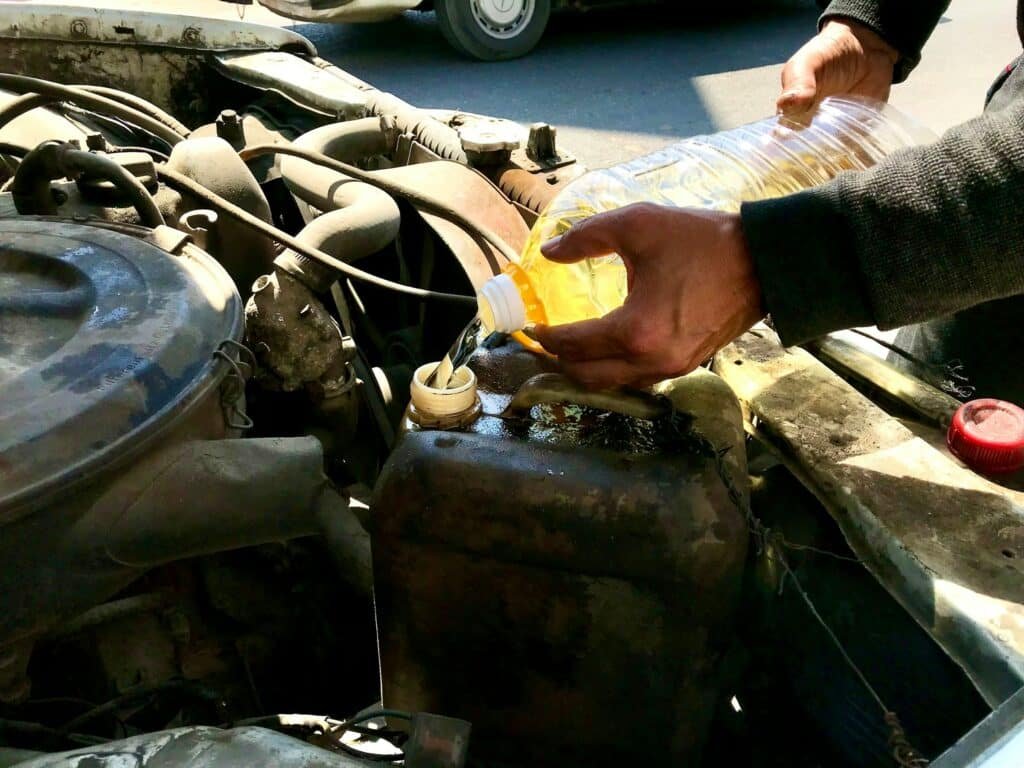
Think of dirty oil as a machine killer. Whether it’s contaminated oil or just not enough of it, poor lubrication is a silent assassin in your facility. It’s the culprit behind an incredible 70% of bearing failures and is responsible for 60-70% of all failures in oil-reliant components. Even microscopic particles; a speck of dirt, a drop of moisture, a bit of silt can get into lubricants and dramatically speed up how fast your parts wear down.
Even if you’re oiling on schedule, it does no good if the lubricant itself is dirty. Ensuring its purity is non-negotiable.
Diagnostic Tools to Uncover Lubrication Problems
Getting ahead of these failures requires proactive analysis. Think of it like a doctor’s check-up for your machinery. Oil Analysis can check for the right thickness and look for tiny metal fragments. Acoustic Analysis lets you ‘hear’ friction before it causes real damage. Vibration Analysis can detect the slightest shudder, and Thermography spots dangerous heat before parts start to fuse together. These tools give you a window into the inner workings of your machines.
The Counterintuitive Risks of Over-Maintenance and Overworking
Believe it or not, you can actually care too much. It’s possible to be too proactive, which can ironically lead to a whole new set of problems.
The Dangers of Over-Maintenance
Over-maintenance can actually make your equipment wear out faster. Every time you take a machine apart and put it back together, you’re introducing a bit of chaos into a precision system. You run the risk of a loose screw here or a stripped bolt there. The simple truth is that every time a machine is touched, there’s a chance a new fault could be introduced. Sometimes, overzealous technicians might just be going through the motions, wasting valuable time on checks that aren’t really needed. A classic example is overlubrication, which can blow out seals and attract more grime. The best approach? Stick strictly to the manufacturer’s recommended service schedule.
The Strain of Overworking Equipment
Pushing your equipment past its designed limits puts a heavy strain on every component. This leads to minor fatigue, and soon enough, things start to loosen up. Running a machine for too long without a break can cause it to become unbalanced, leading to things like wobbling rotors. From there, you’ll see mechanical looseness as bolts start to back out. You have to respect the machine’s duty cycle.
Common Mechanical Faults Behind Breakdowns
Here’s a sobering statistic: Equipment with an underlying mechanical fault is ten times more likely to break down, and when it does, the consequences are often five times more severe.
The Top Three Mechanical Culprits
When it comes to mechanical failures, three issues tend to cause the most headaches.
- Unbalance happens when mass isn’t distributed evenly, causing intense vibration that chews through bearings long before their time.
- Mechanical Looseness can be the result of loose bolts or damage from an impact, leading to excessive vibration and putting a huge strain on other components.
- Thermal Overload is when a machine overheats, it can cook the lubricants and fry the electrical insulation, causing critical parts to fail.
Tools for Effective Root Cause Analysis
Don’t just patch the problem, fix it for good. To stop those nagging, recurring issues, your maintenance team needs to embrace root cause analysis. Tools like the ‘5 Whys’ method can help you dig deeper than the surface-level problem. Fishbone Diagrams help you move beyond just treating the symptoms so you can find the true origin of the failure.
Proven Strategies to Minimize Minor Breakdowns
A proactive game plan is your single best defense against the constant headache of frequent breakdowns. This means implementing a robust CMMS, conducting thorough operator training, and performing a root cause analysis on every single failure. It’s all about building a culture of reliability from the ground up.
Key Warning Signs to Watch For
Train your operators and technicians to be vigilant to listen to what the machines are telling them. They need to be on the lookout for the early warning signs of failure. The most common clues are unusual vibrations, fluid leaks, strange new noises, or a sudden spike in temperature. Paying attention to these early signs is an important part of preventing a tire blowout.
The Seven Factors of Equipment Reliability
To truly build reliability, focus on these seven key areas. You need to prioritize the quality of your maintenance work, continually improve your operators’ skills, and keep an eye on the operating environment. But it also goes deeper, reviewing the equipment’s design, ensuring the installation was done right, verifying the quality of your materials, and always looking for ways to refine your maintenance procedures.
When the unexpected happens on the roads of Oklahoma City, you need a partner who truly understands the cost of downtime. That’s where Five Star Towing comes in. We offer rapid, reliable towing and roadside assistance specifically designed to get your valuable assets back in motion, fast. Let us handle the heavy lifting so you can get back to focusing on what you do best, running your business. Don’t let a breakdown sideline your operations. Call Five Star Towing today and get the service that keeps OKC moving.
Frequently Asked Questions
Without a doubt, aging equipment is the number one cause of industrial downtime. The Plant Engineering Maintenance Study found that a full 40% of unplanned stops are due to aging assets and the simple wear and tear that comes with time.
As machinery gets older, things naturally start to loosen, alignment gets knocked off, and internal parts wear down faster. A 2018 survey backed this up, blaming aging gear for 44% of unscheduled downtime. Without a plan to replace or refurbish these assets, reliability will continue to drop.
For managers, the key is to shift from just reacting to failures to proactively managing the entire lifecycle of an asset. This means keeping track of the age and condition of every machine so you can predict when it’s about to become more of a liability than an asset.
Think of preventive maintenance as stopping a small problem in its tracks before it can blow up into an expensive catastrophe. Using a modern tool like a Computerized Maintenance Management System (CMMS) can boost your equipment's reliability by an impressive 35-50%, which drastically reduces those unexpected failures.
Regular inspections catch things like frayed belts, low fluid levels, and loose bolts before they can bring your whole system to a halt. This smart approach gets your business away from the costly "run-to-failure" model, which is proven to cost two to three times more in the long run.
It's about scheduling downtime on your terms, ensuring that parts are already on hand and your technicians are ready, instead of scrambling in the middle of an emergency.
Absolutely. Operator error is a bigger and more common threat to your equipment's health than you might think. The State of Industrial Maintenance 2024 report shows that 12% of facilities now see operator error as one of the top causes of their downtime.
These mistakes aren't usually malicious; they often come down to fatigue, a gap in training, or what the tech world calls a "PEBKAC" (Problem Exists Between Keyboard And Chair) issue. Misusing the equipment, like overloading it or skipping safety steps, puts stress on parts that they simply weren't built to handle.
The fix isn't complicated, it comes down to solid training and clear Standard Operating Procedures (SOPs). Well-trained operators know their machine's limits and can spot early warning signs like new vibrations or excess heat, preventing a major failure before it happens.
Often, the very first signs of trouble are things you can see, hear, or feel; strange new noises, unusual vibrations, or a machine that feels hotter than normal. These physical clues are your machine's way of telling you that its internal parts are struggling against friction or misalignment.
A quick visual check might reveal fluid leaks or frayed wiring, both of which are red flags for bigger mechanical problems down the road. Ignoring these signs is like letting a small crack in a dam grow until it bursts.
Operators should be trained to report these oddities right away. A culture that encourages reporting "small" noises prevents the "big" silence of a dead machine.
Reactive maintenance is what it sounds like, you're reacting to a problem after the machine has already broken down. It's the most expensive, stressful way to work, often leading to repair bills that are two to three times higher because of rush shipping for parts and emergency labor rates.
Preventive maintenance, on the other hand, is all about being proactive. It's scheduled, it's planned, and it's calm. It involves regular tasks like lubrication, adjustments, and inspections to keep equipment in prime condition. This approach not only prevents breakdowns but also extends the life of your assets and makes your budget predictable.
While reactive maintenance is chaotic, preventive maintenance brings stability. It allows you to control your schedule rather than letting your equipment control you.
Lubrication is absolutely critical. When it fails, the results are devastating; it's the direct cause of up to 70% of all bearing issues. Contaminated oil, or simply not having enough oil, destroys the thin, protective film between moving parts.
When that film breaks down, you get metal grinding against metal. This creates intense heat and friction that can rapidly destroy components. In fact, 60-70% of failures in oil-wetted parts can be traced right back to poor lubrication practices.
Using tools like Oil Analysis helps you ensure your lubricants are clean and doing their job. Clean oil means a long life for your bearings and gears.
Yes, it absolutely is. Over-maintenance is a real risk that can backfire by introducing new problems. Every time a machine is taken apart and put back together, there’s a small risk of human error. For example, a stripped bolt, a loose screw, or a damaged seal.
Technicians who are just "going through the motions" on unnecessary checks are wasting valuable labor hours and perfectly good parts. A common mistake is overlubrication, where too much grease can blow out seals and actually attract more dirt.
Sticking to the manufacturer's recommended schedule is almost always a safer bet than just doing maintenance for the sake of it. It’s the sweet spot between neglect and meddling.
Root cause analysis (RCA) is a problem-solving method used to get to the true origin of a problem, not just the obvious symptom on the surface. Tools like the "5 Whys" or Fishbone Diagrams help your team dig past the initial failure to find out what really went wrong.
For instance, the symptom might be a failed bearing. But if you just replace the bearing without asking why it failed, you might miss that the root cause was a misaligned shaft. If you don't fix the alignment, you're just guaranteeing that the new bearing will fail, too.
RCA is how you stop the frustrating cycle of fixing the same problem over and over. It turns a temporary repair into a permanent solution.
The cost of unplanned downtime hits your business from every angle. It leads to lost production, forces you to pay for idle labor, and causes you to miss critical delivery deadlines. In the manufacturing world, 80% of plants say these unexpected stops are a major source of inefficiency.
There are the obvious costs, like spoiled goods, but also the hidden costs, like the damage to your reputation when you miss your DIFOT (Delivery In Full, On Time) targets. Plus, emergency repairs always come with premium price tags for parts and labor.
Every minute a machine sits idle is a minute it burns capital. Minimizing this time is one of the fastest ways to improve your bottom line.
A CMMS (Computerized Maintenance Management System) is a powerful software that acts as a central hub for all your maintenance information. It automates your service schedules, keeps a detailed history of every asset, and helps you manage your inventory of spare parts.
By organizing all your preventive maintenance tasks, a CMMS can improve your fleet's reliability by 35-50%. It acts like a digital assistant, ensuring no machine is ever forgotten and giving you the data you need to make smart decisions about when to repair versus when to replace.
It transforms maintenance from a stack of paper work orders into a streamlined, digital strategy.
When you look under the hood, three mechanical faults pop up more than any others like unbalance, mechanical looseness, and thermal overload. Unbalance creates destructive vibrations that can absolutely ruin bearings.
Mechanical looseness happens when bolts back out from vibration or after an impact. And thermal overload is when a machine gets too hot, cooking its insulation and breaking down lubricants until parts seize up.
Equipment suffering from one of these underlying faults is a shocking 10 times more likely to break down. Catching these issues early with tools like vibration analysis is the key to stopping them in their tracks.
Improving your training starts with having crystal-clear Standard Operating Procedures (SOPs). Your operators need to understand not just "how" to run a machine, but "why" certain safety limits and procedures exist.
Formal training programs have been shown to cut downtime by 20-30% and reduce accidents by up to 30%. Holding regular refresher courses and maintaining strict OSHA compliance helps keep safety and best practices at the forefront.
When you empower operators to take real ownership of their machines, you'll see a culture of care and a sharp drop in careless mistakes.