

Your car sits dead in the driveway, keys clutched in your sweaty palm, and you’re already running late for work. That familiar pit opens up in your stomach as you turn the key and hear… nothing good. Dead batteries don’t announce themselves with flashing neon signs, but they absolutely leave unmistakable clues for drivers who know what to listen to and look for.
Key Notes
- Slow, sluggish cranking sounds mean your starter isn’t getting enough juice from a battery that’s on its last legs
- Rapid clicking noises tell you your battery’s tapped out, while a single solid click usually points to starter motor trouble
- Dashboard lights that flicker or fade when you’re trying to start up are screaming about low voltage issues that need your attention right now
- The headlight test gives you quick DIY answers. If those lights dim during startup, your battery’s calling it quits
- Jump starting gets you going temporarily, but you’ll need to drive 20-30 minutes at highway speeds to actually recharge things
- Most car batteries hang in there for 3-5 years, though brutal temperatures can knock them out way sooner
- Portable jump starters are lifesavers for solo drivers who might not find help when they need it
Sound Clues That Reveal Battery Failure
Slow, Sluggish Cranking - The "Ruhr-Ruhr-Ruhr" Warning
Picture that unmistakable “ruhr-ruhr-ruhr” sound, like your engine’s trying to drag itself out of bed after pulling an all-nighter. This sluggish crank is basically your car telling you everything you need to know about what’s left in your battery. Your starter motor needs serious amperage to spin the engine fast enough for ignition, and a dying battery just can’t cough it up anymore.
When your engine’s healthy, it fires up with crisp, snappy “ruh-ruh-ruh-VROOM” sounds. Compare that to the labored, dragged-out cranking of a weak battery that sounds more like “ruuuuuhr… ruuuuuhr… ruuuuuhr.” This slow cranking happens because your starter solenoid’s getting power, just not nearly enough voltage to do its job properly.
Pay close attention to the rhythm and speed. Healthy batteries spin engines at roughly 200 RPMs during cranking. Weak batteries might only limp along at half that speed, creating that characteristic slow, grinding sound that makes you cringe. Low voltage symptoms show up first during cranking because this is when your electrical system’s working its absolute hardest.
Rapid Machine-Gun Clicking versus Single Click Diagnosis
Rapid clicking sounds exactly like a machine gun going off, “click-click-click-click-click,” firing in quick succession. This noise tells you your starter solenoid’s engaging over and over but doesn’t have enough oomph to actually turn the engine. Each click is another failed attempt to complete the starting circuit.
Single loud clicks? That’s a completely different story. One decisive “CLICK” followed by dead silence means your starter motor has given up the ghost, not your battery. The solenoid successfully engages (making that click) but the motor itself refuses to budge. Dead silence with working dashboard lights points to starter or ignition switch failure instead of battery problems.
Rapid clicking sound diagnosis becomes absolutely crucial here. Your battery’s holding onto enough charge to fire up the solenoid but can’t maintain the heavy amperage needed for actual cranking. This scenario pops up all the time during cold weather when batteries lose a ton of capacity but keep enough power for lighter electrical stuff.
Visual Warning Signs
Dashboard Light Dimming and Flickering Patterns
Your dashboard lights are like your car’s vital signs monitor, honestly. Healthy batteries hold steady at 12.6 volts when the engine’s sitting off, according to Interstate Batteries research. Dim headlights or flickering dashboard displays during key-turn mean voltage is dropping way below acceptable levels.
Watch for specific patterns when you’re trying to start up. Normal dashboard lights glow nice and steady bright, then dim just slightly during cranking before bouncing back to full brightness. Problem batteries cause lights to flicker all over the place or fade to practically nothing during startup. These low voltage symptoms appear because your electrical system’s prioritizing the starter motor over accessory lighting – it’s got no choice.
Battery voltage spills the whole truth. Readings of 12.4 volts mean only 75% charge left in the tank. Measurements of 12.0 volts or lower are screaming that you’ve got a discharged battery needing immediate attention. Dashboard warning lights often pop on when voltage drops below these critical thresholds during engine startup attempts.
The Headlight Test
Flip on your headlights and try starting, this dead-simple test reveals whether your battery or starter’s causing the headache. Headlights dimming way down or going completely dark during cranking? Battery failure confirmed. Lights staying bright while the engine flat-out refuses to start? You’re looking at starter or ignition switch issues.
Electrical accessories give you early warning signs well before total failure hits. Power windows creeping along slower than usual, dim headlights before you even try starting, or a weak horn sound all point to declining battery capacity. These symptoms show up weeks before complete failure in tons of cases.
Pay real attention to voltage drop patterns during the headlight test. Healthy charging systems keep consistent lighting during all electrical demands. Failing batteries create noticeable dimming even during light electrical loads like running the radio or cranking the air conditioning.
Battery versus Alternator versus Starter
The Jump Test Method for Proper Diagnosis
Jump starting reveals the true troublemaker behind starting problems through good old systematic elimination. If your car fires right up with jumper cables but dies the second you yank them off, your alternator isn’t charging the battery as it should. This charging system failure needs professional eyes and probably alternator replacement.
Cars that stall out while you’re driving or show fading interior lights during operation point to alternator problems rather than simple battery death. Your alternator should pump out between 13.5 and 14.5 volts while the engine’s running, according to AAA Automotive Battery Guide standards.
Follow this diagnostic logic: a successful jump start plus immediate death after removing the cables equals alternator failure. A successful jump start with normal operation afterward means battery replacement time. Failed jump start attempts suggest a starter motor or serious electrical system problems needing professional jump start assistance.
Understanding the Battery Warning Light Truth
The “Battery Light” on your dashboard rarely actually indicates battery problems, that’s the kicker. This warning light typically signals charging system issues, specifically alternator failure. So many drivers get this crucial distinction wrong and replace perfectly fine batteries for no reason.
Alternator failure creates a domino effect of electrical problems. These units have to generate enough voltage to power your car’s electrical systems while simultaneously recharging the battery. Failed alternators force batteries to provide all the electrical power, leading to rapid discharge and what looks like “battery failure.”
Serpentine belt problems can fake alternator failure symptoms perfectly. This belt drives your alternator, and loose or snapped belts prevent charging no matter how good your alternator is. Visual inspection of belt tension and condition should come before dropping cash on expensive alternator replacement in many diagnostic scenarios.
Choosing Between Cables and Portable Jump Starters
Jumper Cable Specifications That Actually Matter
Cable gauge determines whether you succeed or fail during jump starting attempts, plain and simple. Four-gauge or six-gauge cables handle full-size SUVs, trucks, and large sedans without breaking a sweat. Eight-gauge or ten-gauge cables work fine for compact cars but often fall flat for larger engines demanding higher amperage.
Lower gauge numbers mean thicker wire and greater power capacity. Using cheap, wimpy ten-gauge cables on large diesel trucks will probably fail and could create legitimately dangerous overheating conditions. Heavy-duty clamps matter just as much. Flimsy connections create resistance and voltage loss during critical moments.
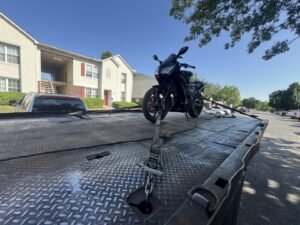
Professional towing services in Oklahoma City often respond to jump-start calls after inadequate cables fail to start a vehicle, especially during winter months. Inadequate cables waste everyone’s time and create safety hazards when drivers try multiple jump starts with insufficient equipment. Invest in quality cables matching your vehicle’s size and engine displacement requirements.
Portable Lithium Jump Starters for Solo Travelers
Modern lithium-ion jump starters wipe out dependence on tracking down another vehicle during emergencies. These compact battery packs deliver sufficient peak amps for most passenger vehicles while fitting easily in glove compartments or trunk storage areas.
Quality units include reverse polarity protection, preventing damage from incorrect connections, which happens more than you’d think. Models like NOCO Genius, HALO Bolt, and Anker Roav provide reliable performance for solo travelers who can’t count on finding roadside assistance. These portable jump starter options work especially well for remote area travel or late-night emergencies when help isn’t exactly around the corner.
Think about peak amp ratings when selecting portable units. Most passenger cars need 400-600 peak amps for reliable starting. Larger trucks and SUVs may require 1000+ peak amps, especially in cold weather conditions that slash battery capacity dramatically.
Step-by-Step Safety Protocol
Critical Connection Order for Preventing Explosions
Turn off both vehicles completely and pull out the keys before beginning any jump start procedure. Power surges during connection can trash sensitive electronic systems in modern vehicles, and I mean really trash them. Connection order prevents sparks near battery terminals where hydrogen gas hangs around.
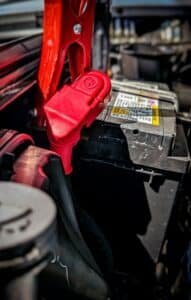
Follow this sequence like your life depends on it, Red cable to dead battery positive terminal, red cable to donor battery positive terminal, black cable to donor battery negative terminal, black cable to unpainted metal surface on dead car’s engine block. Never, ever connect that final negative cable directly to the dead battery’s negative terminal.
Lead-acid batteries spit out hydrogen gas during charging and discharging cycles. Sparks near battery terminals can light this gas up, creating explosion risks and serious injury potential. The chassis ground connection eliminates spark hazards while completing the necessary electrical circuit for jump starting.
Proper Grounding Points and Safety Warnings
Pick solid metal grounding points away from fuel lines, moving parts, and painted surfaces. Strut tower bolts, heavy engine brackets, or unpainted metal engine components provide excellent chassis ground connections. Stay away from thin sheet metal, plastic components, or anything near moving belts and fans.
Run the donor vehicle for 2-3 minutes before attempting to start the dead car. This charging period builds surface charge on the dead battery, improving your odds of starting success. Never let jumper cable clamps touch each other during the process – this creates dangerous short circuits and potential equipment damage that’ll ruin your whole day.
Reverse polarity protection doesn’t exist on standard jumper cables – at all. Connecting cables wrong can destroy alternators, computers, and fuses in both vehicles. Double-check all connections before firing up either engine, and know who to call for a jump start if you’re unsure about the procedure.
Understanding Lifespan and Failure Causes
The 3-5 Year Reality and Weather Impact Data
Most standard automotive lead-acid batteries hang on for between 3 to 5 years under normal driving conditions, according to Consumer Reports testing data. Manufacturing date codes on battery labels help nail down replacement timing. Look for stamps like “A/21” indicating January 2021 production.
Cold weather absolutely devastates battery performance. At 32°F, car batteries lose roughly 35% of their cranking strength. At 0°F, this loss jumps to 60% capacity reduction. However, extreme heat often causes more permanent damage by speeding up internal corrosion and evaporating electrolyte solutions. Over time, this can significantly shorten battery life.
Battery corrosion shows up as white, blue, or green crud building up around terminals. This corrosion creates resistance that cuts down effective power delivery even when the battery’s maintaining decent charge levels. Regular terminal cleaning extends battery life and prevents starting problems caused by crappy electrical connections.
Parasitic Drain and User Error Factors
Parasitic draw describes background electrical consumption when your engine’s sitting off. Clocks, security systems, preset radio stations, and computer memory functions continuously sip small amounts of power. Extended parking periods let these systems completely drain batteries dry.
User error causes sudden battery failure way more often than gradual decline, honestly. Common jumpstart mistakes include leaving headlights, interior dome lights, or trunk lights on overnight, which drains batteries completely. Short-distance driving under 20 minutes prevents alternators from fully recharging batteries after starting demands take their toll.
Battery sulfation happens when batteries stay discharged for extended periods. This chemical process creates permanent capacity loss that jump starting can’t reverse – it’s done, toast, finished. Vehicles sitting unused for weeks or months develop sulfation problems requiring battery replacement rather than simple recharging.
Post-Jump Recovery
Proper Recharge Protocol After Jump Starting
Drive your vehicle for at least 20 to 30 minutes at highway speeds after successful jump starting to allow proper battery recharging. Sitting there idling in your driveway provides minimal charging compared to highway driving where alternators operate at optimal output levels.
Jump starting provides emergency power but doesn’t cure whatever’s actually wrong, that’s important to remember. Deeply discharged batteries need overnight charging with dedicated battery tenders or trickle chargers to get back to 100% capacity. Simple driving won’t fully restore batteries that have been completely dead.
Highway speeds create optimal alternator load conditions for efficient charging. Stop-and-go city driving provides inconsistent charging that might not fully restore battery capacity after deep discharge events. Extended highway driving ensures maximum charging system effectiveness.
When to Replace versus Recharge Your Battery
Replace batteries immediately when jump-starting becomes necessary more than three times in a single week. This frequency screams dead cells that can’t hold charge no matter how much charging you attempt. Continuing to jump start damaged batteries wastes your time and risks getting stranded somewhere really inconvenient.
Visual inspection reveals signs of a failing battery before any testing. Replace swollen, leaking, or cracked battery cases immediately regardless of age. Swelling indicates freezing damage or overcharging problems that create genuine safety hazards. Batteries over five years old should get replaced proactively rather than waiting for failure at the worst possible moment.
Load testing at auto parts stores provides definitive replacement guidance. These tests simulate actual starting demands better than simple voltage measurements ever could. Batteries passing load tests but showing other symptoms may have intermittent problems requiring monitoring rather than immediate replacement.
Frequently Asked Questions
Dead batteries typically produce slow, sluggish cranking sounds that seem labored and dragged out, often described as "ruhr-ruhr-ruhr" instead of the crisp "ruh-ruh-VROOM" of a healthy start. This happens because the starter motor isn't getting nearly enough amperage to spin at proper speed.
According to Interstate Batteries research, healthy batteries should spin engines at approximately 200 RPMs during cranking, while weak batteries may only manage half that speed.
Completely dead batteries might produce rapid clicking sounds as the starter solenoid repeatedly tries to engage but lacks power to actually turn the engine, or in really severe cases, absolute silence when even the solenoid can't function.
The jump test method gives you the most reliable diagnosis between battery and alternator problems. If your car fires right up with jumper cables but dies the second you remove them, your alternator isn't charging the battery properly and needs replacement.
Cars with functioning batteries but bad alternators will also show symptoms while you're driving, including dimming interior lights, dashboard warning lights, or complete stalling during operation.
The AAA Automotive Battery Guide states that alternators should pump out between 13.5 and 14.5 volts while the engine runs, and you can verify this yourself with a multimeter at the battery terminals.
Additionally, that "Battery Light" on your dashboard usually indicates charging system (alternator) problems rather than actual battery failure, contrary to what tons of drivers assume.
Most completely dead batteries can be successfully jump started, but the process takes proper technique and patience. Run the donor vehicle for 2-3 minutes before attempting to start the dead car, as this builds surface charge on the completely discharged battery and seriously improves success rates.
However, batteries that have been deeply discharged for extended periods may develop sulfation, a chemical process that creates permanent capacity loss that jump starting simply cannot reverse. According to Consumer Reports data, batteries showing voltage readings below 10.5 volts may need professional charging or replacement rather than simple jump starting.
The key is using proper gauge jumper cables - 4-gauge or 6-gauge cables for larger vehicles - and ensuring solid connections at all contact points to deliver maximum power transfer.
Drive your vehicle for at least 20 to 30 minutes at highway speeds after a successful jump start to allow proper battery recharging, rather than just sitting there idling in your driveway.
Highway driving creates optimal alternator load conditions where these charging units operate at maximum efficiency, typically generating 13.5-14.5 volts according to Interstate Batteries specifications. Stop-and-go city driving or idling provides inconsistent charging that might not fully restore battery capacity after deep discharge events.
For batteries that were completely dead, this 30-minute drive serves as emergency restoration, but overnight charging with a dedicated battery tender may be necessary to get the battery back to 100% capacity.
Jump starting provides emergency power but doesn't cure whatever's actually wrong, so extended highway driving ensures maximum charging system effectiveness and cuts down the likelihood of repeat failures.
Slow cranking produces a labored "ruuuuuhr... ruuuuuhr... ruuuuuhr" sound indicating your battery has some power but insufficient voltage for normal starter operation, while clicking sounds represent different failure stages entirely.
Rapid machine-gun clicking ("click-click-click-click") means your starter solenoid engages repeatedly but lacks power to turn the engine - each click is another failed attempt to complete the starting circuit. Single loud clicks followed by silence indicate starter motor failure rather than battery problems, as the solenoid successfully engages (creating the click) but the motor itself refuses to turn.
According to AAA diagnostic standards, slow cranking typically happens when batteries maintain 11-12 volts but can't sustain the heavy amperage needed for proper starter operation. Understanding these sound differences helps determine whether you need battery service, starter replacement, or other electrical system repairs.
Dashboard lights and headlights require way less power than your starter motor, so they can function normally even when your battery lacks sufficient amperage for engine cranking. Starting your engine demands 200-400 amps instantaneously, while lights typically draw only 10-20 amps according to electrical system specifications. This explains why you might have bright lights but hear only clicking sounds or slow cranking during start attempts.
The headlight test provides definitive diagnosis, turn on headlights and attempt starting - if lights dim significantly or go out during cranking, your battery's the culprit. If lights stay bright but the car won't start, suspect starter motor or ignition switch problems instead.
Additionally, corroded battery terminals can create enough resistance to prevent high-amperage starter operation while still allowing low-amperage accessories to function just fine.
The headlight test provides the most practical DIY battery assessment without specialized equipment. Turn on your headlights and attempt to start the car - healthy batteries maintain bright, steady lighting throughout the cranking process, while weak batteries cause significant dimming or complete light failure during startup attempts.
Additionally, keep an eye on electrical accessories like power windows, radio volume, or horn strength, as these components show reduced performance weeks before complete battery failure happens. Pay attention to cranking speed and sound patterns, since healthy batteries spin engines at crisp, consistent speeds while weak batteries produce slow, labored cranking noises.
Visual inspection also reveals problems like checking for swollen battery cases, corrosion around terminals (white, blue, or green crud), or manufacturing date codes indicating batteries over 5 years old that should get replaced proactively regardless of how they seem to be performing.
Jump starting in rain carries electrical shock risks and requires extra safety precautions, but can be performed safely with proper technique. Water and electricity create dangerous combinations, so wear rubber-soled shoes, avoid standing in puddles, and keep jumper cable connections as dry as possible using towels or protective coverings.
The primary danger comes from wet hands or cables creating electrical paths to ground through your body - that's the real concern. Ensure both vehicles are turned off completely before making any connections, and follow the standard connection sequence religiously; positive to dead battery, positive to donor battery, negative to donor battery, negative to unpainted metal ground on the dead vehicle's engine block.
Never connect that final negative cable directly to the dead battery terminal, as this creates spark risks near hydrogen gas emissions. If conditions are extremely wet or you feel unsafe at all, wait for professional assistance rather than risking electrical shock or equipment damage.
Incorrect jumper cable connections can cause absolutely catastrophic damage to both vehicles' electrical systems, including destroyed alternators, blown fuses, damaged engine computers, and even battery explosions in extreme cases - I'm not exaggerating. Reverse polarity (connecting positive to negative or vice versa) sends electrical current in the wrong direction through sensitive electronic components not designed to handle reversed voltage flow.
Modern vehicles contain expensive computer modules that control everything from engine timing to transmission operation, and these units can suffer permanent damage from incorrect jump starting procedures - we're talking thousands in repairs.
The most dangerous scenario involves connecting the final negative cable directly to the dead battery's negative terminal instead of a chassis ground, as this creates spark risks near hydrogen gas that batteries naturally emit.
Always double-check all connections before starting either engine, ensure cable clamps maintain solid contact throughout the procedure, and never let jumper cable ends touch each other during the process, as this creates dangerous short circuits.
Replace car batteries every 3-5 years under normal driving conditions, according to Consumer Reports testing data, though extreme climates and driving patterns can seriously mess with this timeline. Check the manufacturing date code on your battery label (typically stamped as letter/number combinations like "A/21" for January 2021) to determine age accurately.
Cold climates reduce battery lifespan due to increased cranking demands and capacity loss - batteries lose approximately 35% strength at 32°F and 60% strength at 0°F according to Interstate Batteries research. However, extreme heat often causes more permanent damage by speeding up internal corrosion and evaporating electrolyte solutions - it's the sneaky killer. Replace batteries immediately if you need jump starts more than 3 times in one week, notice swollen or leaking cases, or experience repeated starting problems regardless of age.
Proactive replacement after 4-5 years prevents roadside emergencies and the massive inconvenience of unexpected failures, especially for drivers in extreme weather conditions or those who depend heavily on their vehicles.
Extremely cold weather can absolutely kill a car battery overnight, especially if the battery was already weakened or limping toward the end of its useful life. At 0°F (-18°C), car batteries lose approximately 60% of their cranking strength according to AAA Automotive Battery Guide data, making borderline batteries unable to start engines even after just one brutal cold night.
This capacity loss happens because chemical reactions inside lead-acid batteries slow way down in cold temperatures, reducing the battery's ability to deliver the high amperage needed for starting. Batteries that test marginally during warm weather often fail completely when temperatures suddenly plummet, particularly if vehicles sit unused for extended periods during cold snaps.
Additionally, parasitic electrical draws from clocks, security systems, and computer memory functions keep right on operating in cold weather, potentially draining already-compromised batteries below starting thresholds.
The combination of reduced capacity and continued electrical consumption can transform a functional battery into a dead one during single-digit temperature nights, especially in batteries over 3-4 years old.
Follow this exact sequence to prevent electrical damage and explosion risks - no shortcuts, connect red cable to dead battery positive terminal, connect red cable to donor battery positive terminal, connect black cable to donor battery negative terminal, and finally connect black cable to unpainted metal surface on the dead vehicle's engine block - never to the dead battery's negative terminal.
This connection order ensures the final connection happens away from the dead battery where hydrogen gas accumulates, preventing spark-induced explosions that can seriously hurt you. Both vehicles must be completely off with keys removed before beginning any connections to prevent power surges that can damage sensitive electronic systems - modern cars are basically computers on wheels.
According to safety protocols from Interstate Batteries, the chassis ground connection (final black cable to engine block) eliminates spark hazards while completing the necessary electrical circuit for jump starting. Good grounding points include strut tower bolts or heavy engine brackets, while you should avoid fuel lines, moving parts like fans, or painted surfaces that don't conduct electricity worth a darn.
Modern portable lithium-ion jump starters completely eliminate the need for another vehicle during battery emergencies, offering total independence for solo drivers who can't count on finding roadside assistance when they really need it.
Quality units like NOCO Genius, HALO Bolt, and Anker Roav deliver sufficient peak amps (400-1000+ depending on vehicle size) while fitting easily in glove compartments or trunk storage areas - they're surprisingly compact.
These portable jump starter devices include reverse polarity protection to prevent damage from incorrect connections and can provide multiple jump starts on a single charge. However, traditional jumper cables connecting to another vehicle often provide more reliable power for larger engines or severely discharged batteries, particularly in extreme weather conditions where portable units may struggle a bit.
The choice depends on your typical driving patterns, urban drivers with access to other vehicles might prefer cables, while rural or solo travelers benefit hugely from portable independence. Think about your vehicle's engine size when selecting portable units - most passenger cars require 400-600 peak amps while larger trucks need 1000+ amps for reliable starting.
Battery sulfation happens when batteries stay discharged for extended periods, creating white crystalline buildup on internal lead plates that permanently reduces capacity and can't be reversed through normal charging or jump starting - it's permanent damage.
External signs include batteries that accept a charge but lose power quickly, require frequent jump starts despite appearing to charge normally, or show voltage readings that drop rapidly under load testing. Sulfated batteries often feel lighter than normal due to electrolyte loss and may show swollen cases from internal pressure buildup - not good signs.
According to Consumer Reports research, batteries left discharged for more than a few weeks develop sulfation problems, particularly in vehicles that sit unused during winter storage or extended travel periods. Professional load testing at auto parts stores can definitively diagnose sulfation by simulating actual starting demands - sulfated batteries typically fail these tests miserably even when showing acceptable voltage readings.
Prevention involves maintaining charge levels through regular driving or battery tender use during storage periods, as sulfation begins within days of complete discharge and becomes irreversible after several weeks of neglect.
Batteries that die while you're actually driving indicate alternator failure rather than battery problems, as healthy charging systems should maintain electrical power and simultaneously recharge batteries during engine operation - that's literally their job. The alternator must produce 13.5-14.5 volts while running according to AAA specifications, and failure to meet this output forces batteries to provide all electrical power until they're completely tapped out.
Common alternator failure symptoms include dimming headlights while driving, dashboard warning lights popping up, radio cutting out, or complete electrical system shutdown during operation - scary stuff when you're cruising down the highway. Serpentine belt problems can perfectly mimic alternator failure since this belt drives the alternator - loose or snapped belts prevent charging regardless of alternator condition.
Additionally, severely corroded battery terminals can interrupt the charging circuit even with a functioning alternator, causing batteries to discharge during driving. If your battery dies while driving, test the charging system immediately after jump starting by measuring voltage at battery terminals with the engine running - readings below 13.5 volts indicate charging system problems requiring professional diagnosis and likely alternator replacement.
A failing alternator can completely drain even a brand-spanking-new battery by forcing it to supply all electrical power without receiving proper recharging, effectively turning your battery into a single-use power source rather than the rechargeable component it's designed to be. Modern vehicles demand significant electrical power for engine computers, fuel injection, ignition systems, lights, and accessories - loads that quickly overwhelm batteries designed to provide starting power while relying on alternator recharging to stay topped up.
According to Interstate Batteries data, typical passenger vehicles draw 60-100 amps during operation, which can drain healthy batteries completely within 1-2 hours if the alternator fails to maintain 13.5-14.5 volt output - that's not much time. This explains why vehicles with alternator problems often require jump starts repeatedly despite having relatively new batteries, as each driving cycle further discharges the battery without any restoration happening.
The key diagnostic indicator is a car that starts with jump assistance but dies immediately after you remove cables, or batteries that test perfectly fine when removed and charged separately but fail quickly when reinstalled. Bad alternators essentially transform batteries into expensive, short-term power sources rather than the long-lasting components they're designed to be - total waste.
Most car batteries can maintain starting capacity for 4-6 weeks when vehicles sit unused, though this timeline varies all over the place based on battery age, ambient temperature, and parasitic electrical draws from security systems, clocks, and computer memory functions constantly sipping power.
According to Consumer Reports testing, healthy batteries lose approximately 5-10% of their charge per month during storage, while older batteries (3+ years) may discharge twice as fast due to internal deterioration - they're just tired. Cold weather actually accelerates discharge rates since chemical reactions slow down and parasitic draws remain constant, potentially reducing storage time to 2-3 weeks in freezing conditions - winter's brutal on batteries.
Modern vehicles with sophisticated security systems, GPS tracking, or always-on computer modules draw more power than older vehicles, shortening storage duration compared to classic cars with minimal electronics to worry about. Factors that extend storage time include disconnecting the negative battery cable (eliminating all parasitic draw completely), using battery tender maintenance chargers, or storing vehicles in climate-controlled environments where possible.
For extended storage beyond one month, seriously consider battery tender devices that maintain optimal charge levels automatically, preventing the sulfation damage that happens when batteries remain discharged for extended periods