
Beneath towering elms and red sandstone walls built by Depression-era hands, Will Rogers Park in Oklahoma City stands as one of America’s most enduring examples of how federal work programs transformed raw land into living monuments. This 30-acre garden sanctuary emerged from the Great Depression’s darkest years, crafted by men from the Civilian Conservation Corps and Works Progress Administration who carved beauty from hardship using nothing but determination and Oklahoma red stone.
Key Takeaways
- Will Rogers Park offers free admission to nationally recognized gardens, conservatory, and arboretum trails
- The Charles E. Sparks Rose Garden features 800+ rose bushes and serves as an official All-America Rose Selections test site
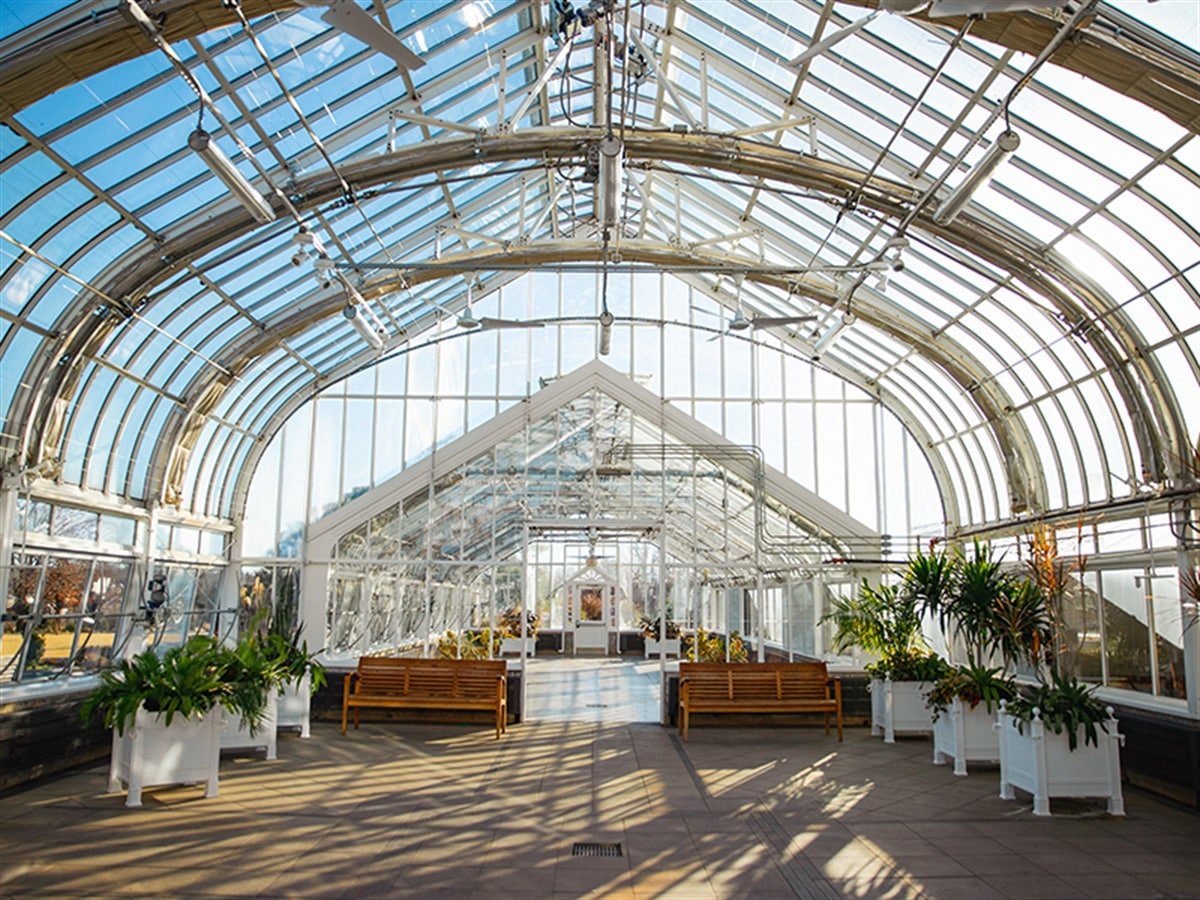
- Ed Lycan Conservatory houses impressive desert plant collections in a restored Victorian-style glasshouse
- Margaret Annis Boys Arboretum provides 10 acres of accessible woodland trails with wildlife viewing
- Recreation facilities include 24 tennis courts, 18-hole disc golf course, and seasonal aquatic center
- The park holds National Register of Historic Places designation for its WPA-era architecture and landscape design
- Peak visiting seasons are May and October for optimal rose blooms and comfortable weather
A Living Monument Built by the Great Depression's Heroes
Oklahoma City purchased this land back in 1912, but the park’s true character didn’t emerge until the 1930s when federal work programs turned economic desperation into lasting beauty. The Civilian Conservation Corps and Works Progress Administration employed thousands of men who hand-cut native red sandstone and built the distinctive walls, bridges, and structures that define Will Rogers Park today. According to Oklahoma City Parks & Recreation, these same architectural elements earned the park its spot on the National Register of Historic Places for representing exceptional WPA-era landscape design.
Originally called Northwest Park, city officials renamed it in 1936 to honor Will Rogers, Oklahoma’s beloved humorist, actor, and cowboy philosopher who died in a plane crash the previous year. Rogers, known for his rope tricks, folksy wisdom, and sharp political commentary, embodied the spirit of Oklahoma resilience that these Depression-era workers demonstrated every single day. His famous quote “I never met a man I didn’t like” captures the welcoming atmosphere the park still maintains today.
The red sandstone construction typical of 1930s WPA projects creates a visual continuity throughout the grounds that newer developments like Scissortail Park, with its modern steel and glass aesthetic, simply can’t match. While Scissortail Park opened in 2019 with contemporary amenities, Will Rogers Park remains the grand dame of Oklahoma City’s park system, weathered, dignified, and irreplaceable.
Why Will Rogers Park Stands Apart from Modern Oklahoma City Attractions
Depression-era craftsmanship built structures designed to last centuries, not just decades. Every stone wall, garden terrace, and pathway demonstrates the permanence that federal work programs prioritized over speed or cost-cutting. The Cultural Landscape Foundation recognizes Will Rogers Park’s landscape architecture as historically significant, noting how the original designers integrated natural topography with formal garden elements.
Modern attractions focus on entertainment and commerce, but Will Rogers Park serves as an outdoor classroom where visitors can study native Oklahoma plants, observe wildlife, and experience garden design principles developed nearly a century ago. The park’s educational value extends beyond horticulture, children and adults can actually touch the same stones that unemployed men cut and placed during America’s economic recovery.
Cultural preservation distinguishes historic sites from contemporary developments that prioritize novelty over longevity. Will Rogers Park’s WPA-era bones will outlast most modern construction, making it an increasingly rare example of federal investment in lasting public beauty.
Charles E. Sparks Rose Garden - Oklahoma's Premier All-America Rose Selections Test Site
Eight hundred rose bushes create an absolute explosion of color and fragrance across formal geometric beds that stretch in perfect symmetry from central walkways. The Charles E. Sparks Rose Garden operates as an official All-America Rose Selections test site, meaning roses undergo rigorous climate testing here before commercial release to American gardeners. This designation places Will Rogers Park among an elite network of evaluation gardens across the country.
According to TravelOK, the garden features approximately 85 distinct varieties including hybrid teas, floribundas, grandifloras, climbers, and miniatures. Peak bloom seasons arrive in May during spring’s gentle warmth and return in October when summer’s heat finally subsides. However, Oklahoma’s extended growing season produces continuous blooms throughout summer months for visitors willing to brave higher temperatures.
The formal layout contrasts sharply with the wild, naturalistic design of the adjacent Margaret Annis Boys Arboretum. Straight pathways and precise planting beds demonstrate classical garden design principles while the arboretum embraces organic curves and native plant communities. This juxtaposition allows visitors to experience both gardening philosophies within a single afternoon walk.
Rose Varieties That Thrive in Oklahoma's Climate
Hybrid tea roses dominate the garden’s central beds, producing large, single blooms on long stems perfect for cutting. These classic roses perform exceptionally well in Oklahoma’s hot summers when provided adequate water and morning sun protection. Popular varieties include ‘Double Delight’ with its cream petals edged in red and ‘Mister Lincoln’ displaying deep crimson blooms.
Floribundas offer continuous color through clusters of smaller flowers that bloom repeatedly throughout the growing season. These hardy roses tolerate Oklahoma’s temperature extremes better than most hybrid teas while requiring less maintenance. ‘Iceberg’ produces pure white flower clusters while ‘Julia Child’ displays bright yellow blooms that resist fading in intense summer heat.
Grandifloras combine the best traits of hybrid teas and floribundas, producing large flowers in small clusters on vigorous plants. ‘Queen Elizabeth’ stands as the classic example, reaching six feet tall with pink blooms that appear from spring through fall. Climbing roses trained on garden structures include ‘Don Juan’ with dark red flowers and ‘Eden’ displaying white blooms with pink edges.
Best Times to Visit for Peak Blooms and Photography
Golden hour lighting occurs during the first hour after sunrise and the last hour before sunset, creating warm, soft illumination that enhances rose colors without harsh shadows. May morning visits between 7-9 AM provide optimal lighting conditions combined with peak spring blooms and comfortable temperatures. October offers similar advantages with the added benefit of fewer crowds and stable weather patterns.
The seasonal bloom calendar shows spring’s first flush typically beginning in late April, reaching peak intensity by mid-May. Summer blooms continue through July and August despite heat stress, while fall’s second major flowering period extends from September through October. Winter visits reveal the garden’s structural design elements and provide opportunities to observe pruning and maintenance practices.
Weather considerations include Oklahoma’s unpredictable spring storms that can damage delicate blooms overnight. Check recent weather patterns before planning photography sessions, as heavy rain or hail can strip petals from entire sections. Summer visits require early morning timing to avoid afternoon heat that exceeds 100°F regularly.

Ed Lycan Conservatory
Behind glass walls reminiscent of 19th-century Lord & Burnham designs, hundreds of cacti and succulents thrive in climate-controlled conditions that recreate desert environments year-round. The Ed Lycan Conservatory originally stood at Douglass Park before workers carefully relocated the Victorian-style structure to Will Rogers Park during the 1936 expansion. This architectural pedigree connects Oklahoma City to prestigious conservatories like those found at major botanical gardens across the country.
According to Oklahoma City Parks & Recreation, the conservatory underwent significant restoration between 2013-2014 to repair deteriorated glass panels and structural elements while maintaining historical integrity. The 26-foot central dome creates dramatic vertical space for larger specimens while side galleries house specialized collections organized by geographic origin and growing requirements.
The conservatory provides Instagram-worthy backdrops throughout the year, but particularly during Oklahoma’s harsh winter months when outdoor gardens lie dormant. Visitors can escape freezing temperatures and immerse themselves in warm, humid air filled with the subtle fragrances of blooming desert plants. The architectural beauty of curved glass and ornate metalwork creates visual interest even for visitors uninterested in botany.
Notable Desert Plant Collections
Golden barrel cactus specimens, some reaching three feet in diameter, anchor the conservatory’s central display with their perfectly spherical forms and golden spines that catch light streaming through glass panels above. These slow-growing giants require decades to reach full size, making the conservatory’s collection particularly valuable for educational purposes.
Prickly pear varieties native to Oklahoma and neighboring states demonstrate how desert plants adapt to local conditions. Several species produce colorful flowers in spring followed by edible fruits that Native American communities traditionally harvested. These displays help visitors understand indigenous plant use and regional ecology.
Agave plants, including century plants that bloom once before dying, create dramatic focal points with their sword-like leaves and architectural forms. Aloe vera specimens provide hands-on learning opportunities about medicinal plant uses while showcasing the practical applications of succulent gardening. The collection includes rare species alongside common varieties to demonstrate the incredible diversity within desert plant families.
Margaret Annis Boys Arboretum
Ten acres of mature trees create an urban forest so dense that city noise fades to whispers within steps of entering the paved trail system. The Margaret Annis Boys Arboretum features hundreds of tree varieties from across North America, creating a living laboratory where visitors can study everything from native Oklahoma oaks to exotic specimens that adapt to local growing conditions.
ADA-compliant trails wind through the woodland canopy, making this natural sanctuary accessible to wheelchairs, strollers, and mobility devices. According to Visit OKC, the paved pathways connect viewing areas around a large pond populated with koi fish and native aquatic turtles. The pond serves as the arboretum’s centerpiece, attracting waterfowl and providing habitat for amphibians that thrive in urban environments.
Bird sanctuary designation recognizes the arboretum as critical habitat for both resident and migratory species. Local birdwatchers regularly spot over fifty species throughout the year, including woodpeckers, cardinals, blue jays, and seasonal migrants that use the dense canopy for shelter and nesting sites. The contrast between this wild feeling and the controlled environment of the nearby conservatory demonstrates how different design approaches can coexist within a single park system.
Wildlife Watching and Birding Opportunities
Native bird species identification becomes easier during winter months when bare branches reveal bird behavior and nesting sites normally hidden by foliage. Cardinals provide year-round color against snow-covered branches while woodpeckers drum on mature oak and hickory trees throughout the canopy. Blue jays announce their presence with harsh calls that echo through the woodland silence.
Seasonal migration patterns bring waves of warblers, vireos, and flycatchers through the arboretum during spring and fall movements. May offers peak diversity as neo-tropical migrants pass through central Oklahoma heading to northern breeding grounds. September brings return migrations when adult birds accompany young-of-the-year in mixed feeding flocks.
Photography tips for wildlife include bringing telephoto lenses to capture birds without disturbing natural behaviors. Early morning visits between 6-8 AM provide optimal lighting and highest bird activity levels. Patience rewards wildlife photographers as animals become accustomed to quiet observers who remain motionless near the pond or along wooded trails.
Recreation Beyond the Gardens
Will Rogers Tennis Center anchors the park’s active recreation facilities with 24 courts split between indoor and outdoor venues that host tournaments and lessons year-round. The tennis complex operates independently from the free garden areas, charging court fees and offering professional instruction through certified teaching staff. Local tennis leagues schedule regular matches here, making the courts a social hub for Oklahoma City’s racquet sports community.
The 18-hole disc golf course weaves through mature woodland separate from the formal garden areas, utilizing massive oak and elm trees as natural obstacles that challenge players of all skill levels. According to Oklahoma City Parks & Recreation, this course ranks among the region’s most respected disc golf venues due to its mature tree coverage and varied terrain that demands accuracy over pure distance. Course veterans recommend bringing extra discs since errant throws often lodge in dense canopy overhead.
Will Rogers Family Aquatic Center operates seasonally from Memorial Day through Labor Day, featuring lap pools, leisure pools with slides, and splash pad areas designed for younger children. The aquatic center charges separate admission fees from the free garden areas but provides relief from Oklahoma’s intense summer heat. Wedding and event hosting occurs at the Exhibition Center, which also houses garden shows and horticulture classes throughout the year.
Complete Amenities List
Twenty-four tennis courts include both indoor climate-controlled facilities and outdoor courts with lighting for evening play. Professional instruction and equipment rental services operate through the tennis center’s pro shop, making the sport accessible to beginners and experienced players alike.
The eighteen-hole disc golf course features professional-grade baskets and tee areas maintained by local disc golf associations who volunteer time for course improvements. Mature trees create tunnel shots and dogleg holes that reward strategic thinking over powerful throwing arms.
Splash pad and slide facilities at the aquatic center include zero-depth entry areas perfect for toddlers and moderate slides for older children. Picnic pavilions throughout the park provide shaded areas for family gatherings with grilling facilities and nearby restroom access. The senior center offers programming specifically designed for older adults, including fitness classes and social activities.
Planning Your Visit
Will Rogers Gardens opens its gates at 3400 NW 36th Street where I-44 intersects with one of Oklahoma City’s major east-west corridors. The gardens, arboretum, and conservatory welcome visitors free of charge year-round, though the Exhibition Center and Conservatory maintain specific business hours typically running 8 AM to 5 PM daily. Garden grounds remain accessible from dawn to dusk for self-guided exploration.
Professional photography requires permits even though basic garden admission costs nothing. Wedding photographers, portrait sessions, and commercial shoots must obtain advance permission and pay applicable fees to Oklahoma City Parks & Recreation. This policy protects the garden environment while generating revenue for maintenance and improvements.
Golden hour lighting between 6-8 AM and 6-8 PM creates optimal conditions for rose garden photography, particularly during peak bloom seasons in May and October. Leashed dogs can explore park grounds but aren’t permitted inside the conservatory or Exhibition Center buildings. Free parking provides convenient access throughout the grounds without time restrictions or meter fees.
Parking and Transportation Options
Free parking lots surround the garden entrance areas with spaces for hundreds of vehicles during peak visitation periods. Overflow parking extends to adjacent areas during special events and spring bloom seasons when visitor numbers increase dramatically. RV parking accommodates larger vehicles in designated areas away from main garden entrances.
Public transportation access includes city bus routes that stop within walking distance of park entrances, though service frequency varies throughout the day. Cyclists can access bike-friendly paths that connect to Oklahoma City’s growing network of recreational trails extending throughout the metro area.
Bike storage areas near main entrances provide secure options for cyclists who want to explore gardens on foot. The flat terrain throughout most garden areas makes walking accessible for visitors with mobility limitations while paved arboretum trails accommodate wheelchairs and strollers without difficulty.
Special Events and Educational Programs Throughout the Year
Garden shows and plant sales occur seasonally, typically during spring and fall when local nurseries and garden clubs showcase new varieties and offer expert advice. These events provide opportunities to purchase plants specifically adapted to Oklahoma growing conditions while learning from experienced local gardeners.
Horticulture classes and workshops cover topics from basic gardening techniques to specialized subjects like rose care, desert plant cultivation, and native plant landscaping. Oklahoma State University Extension Service often partners with park staff to provide science-based gardening education that addresses local soil and climate challenges.
Wedding and event hosting transforms the Exhibition Center into venues for celebrations ranging from intimate ceremonies to large receptions. The historic garden setting provides romantic backdrops while indoor facilities accommodate weather concerns and catering requirements.
Seasonal festivals and community gatherings include plant society meetings, photography clubs, and environmental education programs that connect visitors with local conservation efforts.
Frequently Asked Questions
Will Rogers Gardens, the conservatory, and arboretum offer completely free admission seven days a week according to Oklahoma City Parks & Recreation.
Visitors can explore 30 acres of historic gardens, walk through the Victorian-style conservatory, and hike accessible arboretum trails without paying any entrance fees. This free access policy has remained unchanged since the park's Depression-era development when federal programs prioritized public access to recreational facilities.
However, active recreation facilities including the tennis courts and seasonal aquatic center operate on fee-based systems with separate admission charges that help maintain these specialized amenities.
May delivers the most spectacular rose displays when spring's mild temperatures and adequate rainfall create ideal growing conditions for the garden's 800+ bushes to reach peak bloom intensity.
October provides the second major flowering period as summer heat subsides and roses respond with another flush of blooms that often display richer colors due to cooler nighttime temperatures. TravelOK confirms these seasonal patterns align with optimal visitor comfort levels, avoiding Oklahoma's extreme summer heat while maximizing floral displays.
Summer months from June through August still produce continuous blooms for dedicated rose enthusiasts, though early morning visits become essential to avoid afternoon temperatures that regularly exceed 100°F.
The Charles E. Sparks Rose Garden contains over 800 rose bushes representing approximately 85 distinct varieties according to Oklahoma City Parks & Recreation records. This substantial collection qualifies the garden as an official All-America Rose Selections test site where new rose varieties undergo climate evaluation before commercial release to American gardeners.
The collection includes hybrid teas, floribundas, grandifloras, climbing roses, and miniature varieties planted in formal geometric beds that demonstrate classical garden design principles.
The dense planting scheme creates continuous color displays throughout the growing season while providing enough genetic diversity to test rose performance across Oklahoma's challenging climate conditions.
The Ed Lycan Conservatory specializes in cacti and succulent collections from arid regions worldwide, housed within a climate-controlled Victorian-style glasshouse that maintains desert conditions year-round.
Golden barrel cactus specimens anchor the displays alongside prickly pear varieties native to Oklahoma and surrounding states, demonstrating both exotic and regional desert plant adaptations.
Agave plants, aloe vera specimens, and various other succulents create diverse educational displays that showcase how desert plants adapt to extreme conditions through specialized water storage and protective mechanisms.
The conservatory's controlled environment allows these arid-climate plants to thrive despite Oklahoma's humid subtropical climate and provides visitors with desert experiences impossible to achieve in outdoor regional gardens.
All trails throughout the 10-acre Margaret Annis Boys Arboretum feature ADA-compliant paved surfaces that accommodate wheelchairs, mobility scooters, and strollers without difficulty according to Visit OKC accessibility guidelines.
The pathway system connects viewing areas around the central koi pond while winding through mature woodland canopy without steep grades that might challenge mobility-impaired visitors. Trail design prioritized universal access during construction, ensuring that all visitors can experience the urban forest environment regardless of physical limitations.
Rest areas and observation decks along the trail system provide comfortable stopping points where visitors can observe wildlife, study tree varieties, or simply enjoy the peaceful woodland atmosphere away from city noise.
Will Rogers Park offers extensive active recreation facilities including 24 tennis courts split between indoor and outdoor venues that host tournaments and professional instruction through the Will Rogers Tennis Center.
The 18-hole disc golf course winds through mature woodland areas separate from formal gardens, utilizing massive trees as natural obstacles that challenge players across varied terrain.
The seasonal Will Rogers Family Aquatic Center operates Memorial Day through Labor Day with lap pools, leisure pools featuring slides, and splash pad areas designed for younger children. Additional amenities include picnic pavilions with grilling facilities, a senior center offering age-specific programming, and the Exhibition Center that hosts wedding receptions, garden shows, and community events throughout the year.
Will Rogers Park sits at 3400 NW 36th Street in Oklahoma City, positioned at the intersection of NW 36th Street and Interstate 44 according to official park documentation. This central location provides convenient access from downtown Oklahoma City, suburban areas, and neighboring communities via major transportation corridors.
The park's position in the Crown Heights neighborhood places it within easy reach of the Adventure District, Penn Square Mall, and other popular Oklahoma City attractions.
Free parking surrounds the garden entrance areas with spaces for hundreds of vehicles, while public transportation options include city bus routes that stop within walking distance of park entrances for visitors without personal transportation.
Will Rogers Gardens grounds remain open from dawn to dusk seven days a week for self-guided exploration of outdoor garden areas, rose gardens, and arboretum trails according to Oklahoma City Parks & Recreation policies.
The Ed Lycan Conservatory and Exhibition Center maintain specific business hours typically running 8 AM to 5 PM daily, though seasonal variations may affect these schedules during extreme weather or special events.
Visitors should verify current hours before planning visits to indoor facilities, particularly during winter months when daylight hours shrink and maintenance schedules may temporarily affect access.
The outdoor gardens provide year-round access that allows visitors to experience seasonal changes in plant growth, dormancy periods, and wildlife activity patterns across all four seasons.
Leashed dogs are welcome throughout Will Rogers Park's outdoor areas including garden grounds, arboretum trails, and recreational facilities, but pets cannot enter enclosed buildings such as the Ed Lycan Conservatory or Exhibition Center according to standard Oklahoma City Parks policies.
Pet owners must maintain physical control of their animals using leashes and clean up after their dogs to preserve the garden environment for all visitors. The park's extensive trail system and open lawn areas provide excellent opportunities for dog walking and exercise, particularly along the arboretum's paved accessible trails that wind through mature woodland areas.
Pet-friendly policies recognize that many visitors enjoy combining garden exploration with dog exercise while maintaining protective standards for sensitive plant collections and indoor facilities.
Basic personal photography and family snapshots require no permits or fees throughout Will Rogers Gardens, but professional photography sessions including weddings, portraits, and commercial shoots must obtain advance permits from Oklahoma City Parks & Recreation according to current policies.
Professional photography permits ensure that commercial activities don't interfere with public access while generating revenue to support garden maintenance and improvements. Permit requirements typically apply to sessions involving professional equipment, multiple subjects, extended time periods, or commercial purposes that go beyond casual personal photography.
The park's stunning rose gardens, historic architecture, and natural settings make it a popular venue for professional photographers who appreciate the diverse backdrops available within a single location.
Will Rogers Park emerged from Great Depression federal work programs when the Civilian Conservation Corps and Works Progress Administration employed thousands of men to transform raw land purchased by Oklahoma City in 1912 into the current garden sanctuary.
Construction utilized native Oklahoma red sandstone hand-cut by workers who built the distinctive walls, bridges, and structures that earned the park its National Register of Historic Places designation according to The Cultural Landscape Foundation.
Originally called Northwest Park, city officials renamed it in 1936 to honor Will Rogers, Oklahoma's beloved humorist and cowboy philosopher who died in a plane crash the previous year.
The park represents one of the most successful examples of Depression-era federal investment in lasting public amenities that continue serving communities nearly a century after construction.
The Margaret Annis Boys Arboretum encompasses 10 acres of mature woodland that creates an urban forest environment dense enough to muffle city noise and provide habitat for dozens of bird species according to Oklahoma City Parks & Recreation measurements.
This substantial size allows for hundreds of tree varieties from across North America while maintaining natural ecosystem functions that support native wildlife populations.
The arboretum's scale provides enough space for ADA-compliant trail systems that wind through diverse habitats including the central koi pond area, dense woodland canopy, and more open areas that demonstrate different forest management approaches.
Ten acres represents significant urban green space that functions as both recreational amenity and environmental education facility where visitors can study forest ecology within city limits.
The Will Rogers Tennis Center operates 24 tennis courts split between indoor climate-controlled facilities and outdoor courts with lighting for evening play according to facility management.
Professional instruction and equipment rental services operate through the tennis center's pro shop, making the sport accessible to beginners while providing advanced training options for experienced players. Local tennis leagues schedule regular matches at the facility, creating a social hub for Oklahoma City's racquet sports community that extends beyond casual recreational play.
Court fees apply separately from the free garden admission, with reservation systems that allow players to guarantee court access during peak usage periods when demand exceeds availability.
The Will Rogers Family Aquatic Center provides seasonal swimming facilities that operate Memorial Day through Labor Day with multiple pool areas designed for different age groups and activity levels.
Lap pools accommodate serious swimmers while leisure pools feature slides and play areas that appeal to families with children seeking relief from Oklahoma's intense summer heat. Zero-depth entry splash pad areas specifically serve toddlers and non-swimmers with interactive water features that provide safe aquatic fun.
The aquatic center charges separate admission fees from the free garden areas but offers valuable cooling opportunities during summer months when outdoor garden exploration becomes challenging during midday heat periods.
Will Rogers Park holds National Register of Historic Places designation for its exceptional representation of Depression-era landscape architecture created through Civilian Conservation Corps and Works Progress Administration programs according to The Cultural Landscape Foundation documentation.
The native red sandstone construction techniques and formal garden design principles demonstrate how federal work programs combined unemployment relief with lasting public infrastructure development during the 1930s economic recovery period.
Original architectural elements including hand-cut stone walls, bridges, and garden terraces showcase craftsmanship standards that prioritized permanence over speed or cost-cutting measures typical of contemporary construction.
The park's preservation demonstrates successful integration of historical significance with ongoing recreational use that serves modern Oklahoma City residents while maintaining Depression-era character.
The Exhibition Center provides indoor venue space for wedding ceremonies and receptions with capacity for both intimate gatherings and large celebrations according to Oklahoma City Parks & Recreation event hosting policies.
Historic garden settings offer romantic outdoor ceremony locations with professional photography opportunities throughout the formal rose gardens, conservatory areas, and arboretum trails.
Event hosting requires advance reservations and fees that vary based on facility usage, guest counts, and additional services such as catering setup or extended access hours.
The combination of indoor climate-controlled space and outdoor garden backdrops makes Will Rogers Park particularly attractive for couples seeking venues that accommodate weather concerns while providing natural beauty for wedding photography and guest enjoyment.
The Margaret Annis Boys Arboretum functions as a designated bird sanctuary where visitors regularly observe over fifty species including year-round residents like cardinals, blue jays, and woodpeckers plus seasonal migrants that use the dense canopy for shelter according to local birding groups.
The central koi pond attracts native aquatic turtles and various waterfowl while supporting amphibian populations that thrive in urban water features. Mature woodland areas provide habitat for small mammals, insects, and other wildlife that demonstrate how urban green spaces can support biodiversity within city environments.
Wildlife watching opportunities peak during early morning hours when animal activity levels increase and visitor disturbance remains minimal, making dawn visits particularly rewarding for nature photographers and wildlife enthusiasts.
Will Rogers Park features an 18-hole disc golf course that winds through mature woodland areas separate from the formal garden spaces, utilizing massive oak and elm trees as natural obstacles that challenge players across varied terrain.
The course ranks among the region's most respected disc golf venues due to its mature tree coverage and professional-grade baskets maintained through partnerships with local disc golf associations according to Oklahoma City Parks & Recreation. Course design rewards strategic accuracy over pure throwing distance, with tunnel shots and dogleg holes that demand careful disc selection and placement.
Players should bring extra discs since errant throws often lodge in the dense canopy overhead, and course veterans recommend playing during cooler months when walking through woodland areas becomes more comfortable.
The Charles E. Sparks Rose Garden operates as an official All-America Rose Selections test site where new rose varieties undergo rigorous climate evaluation for two years before potential commercial release to American gardeners.
This designation places Will Rogers Park among an elite network of evaluation gardens across the United States that test rose performance under diverse growing conditions including Oklahoma's challenging hot summers and variable precipitation patterns.
Test gardens evaluate new varieties for disease resistance, bloom quality, plant vigor, and overall garden performance using standardized criteria that help determine which roses deserve national recognition.
The AARS program has operated since 1938 to identify superior rose varieties that perform well across multiple climate zones, making test garden results valuable for both commercial rose production and home gardener selection guidance.
Oklahoma City officials renamed Northwest Park to Will Rogers Park in 1936, one year after the famous Oklahoma humorist, actor, and cowboy philosopher died in a plane crash in Alaska according to Oklahoma Historical Society records.
The timing honored Rogers during the height of his national popularity when his folksy wisdom and sharp political commentary had made him one of America's most beloved public figures.
Rogers, known for rope tricks, radio shows, and the quote "I never met a man I didn't like," embodied the spirit of Oklahoma resilience that Depression-era park workers demonstrated daily while hand-cutting red sandstone and building lasting garden infrastructure.
The renaming ceremony occurred during the park's major expansion period when federal work programs were transforming the original 1912 land purchase into the current garden sanctuary that visitors enjoy today.
Driving Directions From Will Rogers Gardens, 3400 NW 36th St, Oklahoma City, OK 73112 to 5-Star Towing OKC, 2730, 2800 SW 25th St, Oklahoma City, OK 73108 - 8 min (5.3 miles) via I-44
Will Rogers Gardens, 3400 NW 36th St, Oklahoma City, OK 73112
Get on I-44 - 45 sec (0.4 mi)
Follow I-44 to SW 15th St. Take exit 119 from I-44 - 4 min (3.7 mi)
Continue on SW 15th St to your destination - 4 min (1.2 mi)
5-Star Towing OKC, 2730, 2800 SW 25th St, Oklahoma City, OK 73108
We also offer towing and roadside assistance near Will Rogers Park. Learn about our next location, Myriad Botanical Gardens, OKC.