
Your car breaks down on the interstate at 2 AM. The tow truck driver quotes you $150 for what seems like a short haul to the nearest shop. You agree because you’re stranded, but later wonder if you got ripped off. You didn’t – you just experienced the standard two-part pricing formula that every towing company uses.
Key Takeaways
- Towing costs combine a hook-up fee ($35-$100) plus per-mile charges ($2.50-$7.00 for local, $1.00-$3.00 for long-distance)
- A typical 5-mile tow costs $50-$125 total, while a 100-mile haul runs $250-$600
- Heavy-duty vehicles like RVs and semis cost significantly more with $170+ hook-up fees and $4-$7 per mile
- After-hours, weekend, and holiday service can add $50+ or increase your total bill by 25%
- AAA membership at $100/year often costs less than a single 20-mile emergency tow
- Additional fees for winch-outs, storage, and accident cleanup can double your final bill
- Getting accurate quotes requires asking specific questions about your vehicle condition and location accessibility
Understanding the Two-Part Pricing Formula Behind Every Tow
Every legitimate towing company uses the same basic formula. Total Cost = Hook-Up Fee + (Price Per Mile × Distance). This is not some secret industry conspiracy – it’s simply how towing companies cover their fixed costs while charging fairly for the actual distance traveled.
The hook-up fee covers the driver’s time getting to your location and securing your vehicle to the tow truck. Standard hook-up fees range from $35 to $100 depending on where you are and which towing company you call. Urban areas typically charge more because of higher operational costs, while rural companies may have lower base fees but charge more per mile.
Some companies include the first 5 to 7 miles in their hook-up fee, though this varies strictly by provider. Don’t assume this applies to your situation – always ask upfront. The national average cost of $109 serves as a helpful baseline, but this figure shifts considerably based on where you live and local market conditions.
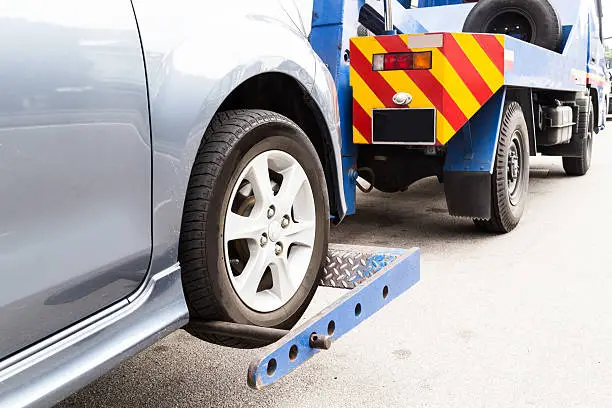
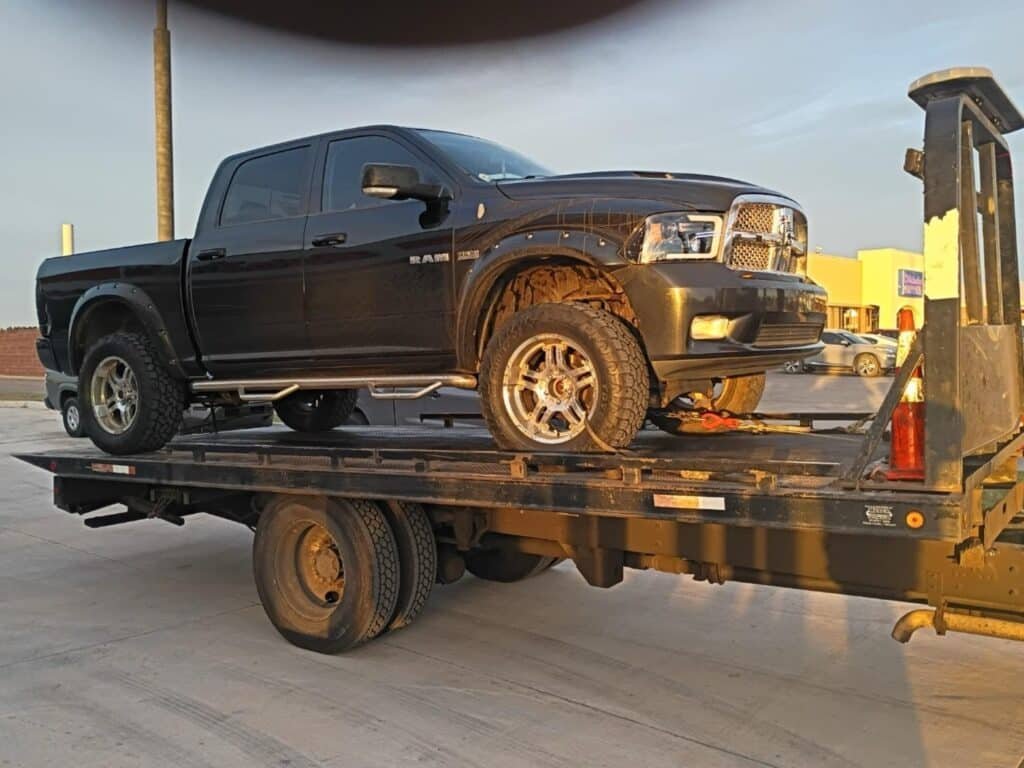
Flatbed towing commands higher base fees, usually closer to the $100 end of the range, compared to wheel-lift towing. Flatbeds offer superior protection for your vehicle, especially for all-wheel-drive cars or vehicles with transmission issues. The extra cost reflects the specialized equipment and additional setup time required.
Short Distance versus Long Distance Towing Rate Breakdown
Towing companies use sliding scale pricing where the per-mile rate decreases as total distance increases. This makes economic sense for everyone involved – longer hauls become more efficient for the driver while giving you some relief on the total cost.
Standard local towing under 10 miles typically costs $2.50 to $7.00 per mile. Long-distance towing over 100 miles drops to $1.00 to $3.00 per mile. The rate reduction happens because the driver can maintain highway speeds for extended periods rather than navigating stop-and-go city driving.
Here is what you can realistically expect to pay for common distances
- Average 5-mile tow is $35 to $125 total
- Average 40-mile tow is $125 to $275 total
- Average 100-mile tow is $250 to $600 total
Many companies negotiate flat fees for distances over 100 miles rather than strictly following per-mile pricing. This protects you from excessive charges on very long hauls while giving the company predictable revenue.
Distance Tier Cost Estimates
- 5 miles costs $50 to $125 total
- 20 miles is $85 to $240 total
- 50 miles costs around $160 to $450 total
- 100 miles is $250 to $600 total
Port-to-port charging means some companies charge you for their return trip if your destination is far from their base. Verify this before agreeing to service – it can legitimately double your bill on long-distance tows. Reputable companies should disclose this upfront.
Heavy-Duty and Specialized Vehicle Towing Costs
Standard towing covers sedans, SUVs, and light trucks classified as Class 1-3 vehicles. Heavy-duty towing handles RVs, semi-trucks, buses, and heavy machinery classified as Class 7-8 vehicles. The equipment and expertise required justify significantly higher rates.
Heavy-duty hook-up fees start at $170 and can climb much higher depending on the situation. Per-mile rates range from $4.00 to $7.00, nearly double standard vehicle rates. Heavy-duty operations also include hourly labor charges of $200 to $250 per hour for properly securing large vehicles.
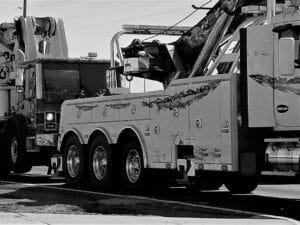
Specialized rotator trucks handle the heaviest recoveries and command premium pricing. These massive machines can upright overturned semis and extract vehicles from difficult positions. Air brake connections, larger winches, and specialized rigging justify the 20% to 50% price increase over standard heavy-duty towing.
RV owners face particular challenges because many standard tow trucks simply can’t handle the weight and length. Class A motorhomes require heavy-duty equipment even for straightforward breakdowns. Factor these costs into your RV budget and consider specialized roadside assistance programs designed specifically for recreational vehicles.
Additional Fees That Can Double Your Final Bill
After-hours surcharges add $5 to $10 as a one-time fee, though some companies apply higher base rates for all nighttime calls. Weekend and holiday service can add a flat $50 extra or increase your total bill by 25%. These surcharges reflect the premium required to maintain around-the-clock service.
Winch-out services cost $50 to $200 per hour for vehicles stuck in ditches, snow, or mud. This recovery work isn’t included in standard per-mile pricing because it requires specialized equipment and techniques. Storage fees at impound lots run $30 to $80 per day, making immediate vehicle retrieval critical to avoid mounting charges.
Accident cleanup charges cover glass and debris removal that standard towing doesn’t include. Special equipment fees apply for low-clearance situations, steep terrain, or other challenging conditions. These extras can quickly transform a modest tow into a major expense.
Recovery versus Standard Towing Services
Recovery operations involve winch-out services that aren’t included in standard per-mile pricing. Essential dispatcher questions help you avoid surprise charges by clarifying exactly what services you need. Daily storage fee accumulation makes immediate vehicle retrieval critical once your car reaches an impound facility.
Always ask if your situation requires recovery work beyond basic towing. A vehicle stuck in a ditch needs recovery services before it can be towed, potentially doubling your costs. Understanding this distinction helps you budget appropriately and shop for the right service.
Smart Alternatives That Cost Less Than Out-of-Pocket Payment
AAA Basic Membership costs $50 to $60 annually and covers 5 to 7 miles of towing. AAA Plus Membership runs about $100 per year and covers up to 100 miles. Consider that a single 20-mile tow costs $150 or more compared to a $100 annual membership that includes multiple service calls.
Insurance add-on coverage costs just $2 to $5 per month through providers like State Farm, Geico, Allstate, and Progressive. Membership clubs include AAA, Good Sam for RV owners, and Better World Club. Credit cards like Chase Sapphire Reserve and American Express offer premium roadside assistance as cardholder benefits.
New memberships typically include a 48 to 72-hour waiting period to prevent abuse, so sign up before you need service. Calculate the break-even point based on your driving habits and vehicle reliability. One emergency tow often exceeds the annual cost of membership coverage.
Compare the free towing radius carefully between providers. Basic plans might only cover 5 miles, requiring you to pay extra for longer distances. Plus plans usually cover 100 miles, sufficient for most situations. Match the coverage to your typical driving patterns and destinations.
Frequently Asked Questions
Local towing under 10 miles costs $2.50 to $7.00 per mile, while long-distance towing over 100 miles drops to $1.00 to $3.00 per mile. The per-mile rate decreases on longer hauls because highway driving is more efficient for tow truck operators than stop-and-go city traffic.
You'll also pay a hook-up fee of $35 to $100 regardless of distance, which covers the driver's dispatch time and vehicle attachment process.
Hook-up fees range from $35 to $100 depending on your location and the type of towing required. Urban areas typically charge higher base fees due to operational costs, while flatbed towing commands premium pricing compared to wheel-lift methods.
Some companies include the first 5 to 7 miles in their hook-up fee, but this varies by provider and should be confirmed before service begins.
Towing companies use sliding scale pricing where the per-mile rate actually decreases for longer distances. While your total bill increases with distance, you pay less per mile on hauls over 100 miles compared to short local tows. Many companies negotiate flat fees for very long distances rather than strict per-mile pricing.
However, verify whether the company charges for their return trip, which can double your costs on long-distance hauls to remote locations.
Heavy-duty towing for RVs, semi-trucks, and large vehicles costs significantly more with hook-up fees starting at $170 and per-mile rates of $4.00 to $7.00. Standard vehicle towing starts around $35 to $100 for hook-up with $2.50 to $7.00 per mile rates.
Heavy-duty operations also include hourly labor charges of $200 to $250 for securing large vehicles with specialized equipment. The 20% to 50% price increase reflects the specialized rotator trucks, air brake connections, and larger winches required for these vehicles.
After-hours surcharges add $5 to $10 for nighttime calls, while weekend and holiday service can increase your total bill by 25% or add a flat $50 fee. Winch-out services for stuck vehicles cost $50 to $200 per hour beyond standard towing rates. Storage fees at impound lots run $30 to $80 per day, making immediate vehicle retrieval critical.
Accident cleanup, special equipment for challenging terrain, and recovery operations can quickly double your final bill beyond the basic hook-up and mileage charges.
AAA Basic membership at $50 to $60 annually covers 5 to 7 miles of towing, while AAA Plus at $100 yearly covers up to 100 miles.
A single 20-mile emergency tow costs $150 or more, making membership cost-effective if you use it even once per year. Insurance add-ons through providers like State Farm or Geico cost just $2 to $5 monthly for similar coverage. Factor in the 48 to 72-hour waiting period for new memberships, so sign up before you need service rather than during an emergency.
Most towing companies charge after-hours surcharges of $5 to $10 for calls during nighttime hours, typically after 6 PM and before 8 AM. Weekend and holiday service often includes a flat $50 surcharge or increases your total bill by 25%. These premium rates reflect the higher cost of maintaining 24/7 service and staffing during off-hours.
Some companies apply higher base hook-up fees for all after-hours calls rather than separate surcharges, so clarify the pricing structure when requesting service.
A 100-mile tow typically costs $250 to $600 total, combining the hook-up fee of $35 to $100 with long-distance per-mile rates of $1.00 to $3.00. Many companies offer negotiated flat fees for distances over 100 miles rather than strict per-mile pricing.
Verify whether the company charges for their return trip to avoid doubling your costs. Heavy-duty vehicles like RVs or trucks cost significantly more with $170+ hook-up fees and $4.00 to $7.00 per-mile rates.
Recovery services involve winch-out operations for stuck, overturned, or damaged vehicles that require extraction before towing can begin. These services cost $50 to $200 per hour beyond standard towing rates and aren't included in basic per-mile pricing.
Standard towing assumes your vehicle can be easily attached to the tow truck and transported. Recovery work requires specialized equipment, additional labor time, and expertise to safely extract vehicles from ditches, accidents, or challenging positions.
Many insurance providers offer roadside assistance add-ons for $2 to $5 per month through companies like State Farm, Geico, Allstate, and Progressive. Coverage typically includes towing within a specific radius, jump-starts, flat tire changes, and lockout service.
Review your policy details for towing distance limits, as basic coverage might only include 5 to 15 miles. Some comprehensive policies include limited roadside assistance, but dedicated add-on coverage usually provides more extensive benefits and higher mileage allowances.
Request a written estimate rather than relying on verbal quotes over the phone, and ask specifically about after-hours surcharges, storage fees, and recovery work requirements. Provide detailed information about your vehicle's condition, exact location, and accessibility to help dispatchers give accurate pricing.
Clarify whether the company charges for their return trip on long-distance hauls and confirm what services are included in the base rate. Document your vehicle's condition before towing and understand your state's regulations regarding maximum allowable charges above initial estimates.
Ask for the exact hook-up fee, per-mile rate, and whether the first few miles are included in the base charge. Clarify after-hours, weekend, or holiday surcharges that might apply to your situation. Determine if your vehicle requires recovery work beyond standard towing, which significantly increases costs.
Verify storage fees if your vehicle must be taken to an impound lot and confirm the company's policy on return trip charges for long-distance hauls. Request the estimated total cost in writing and ask about acceptable payment methods.
Premium credit cards like Chase Sapphire Reserve and American Express Platinum include roadside assistance as cardholder benefits, typically covering towing within a 10 to 25-mile radius. These services often coordinate through third-party providers and may have usage limits per year.
Benefits vary significantly between card issuers and specific card products, so review your cardholder agreement for exact coverage details. While convenient, credit card roadside assistance usually provides less comprehensive coverage than dedicated AAA membership or insurance add-ons.
RV and motorhome towing requires heavy-duty equipment with hook-up fees starting at $170 and per-mile rates of $4.00 to $7.00. Class A motorhomes often need specialized rotator trucks even for simple breakdowns, commanding premium pricing.
Hourly labor charges of $200 to $250 apply for securing large recreational vehicles with proper rigging and safety equipment. Consider specialized RV roadside assistance programs like Good Sam, which understand the unique requirements of recreational vehicles and often provide more cost-effective coverage than general towing services.
AAA membership or insurance roadside assistance add-ons typically provide the most cost-effective towing coverage for regular drivers. AAA Plus membership at $100 annually covers up to 100 miles of towing, often less than the cost of a single emergency tow. Insurance add-ons cost $2 to $5 monthly and usually include towing within a specific radius.
For immediate needs without membership, compare quotes from multiple local towing companies and clarify all fees upfront. Avoid convenience fees by calling companies directly rather than using roadside assistance apps that add markup to standard rates.