
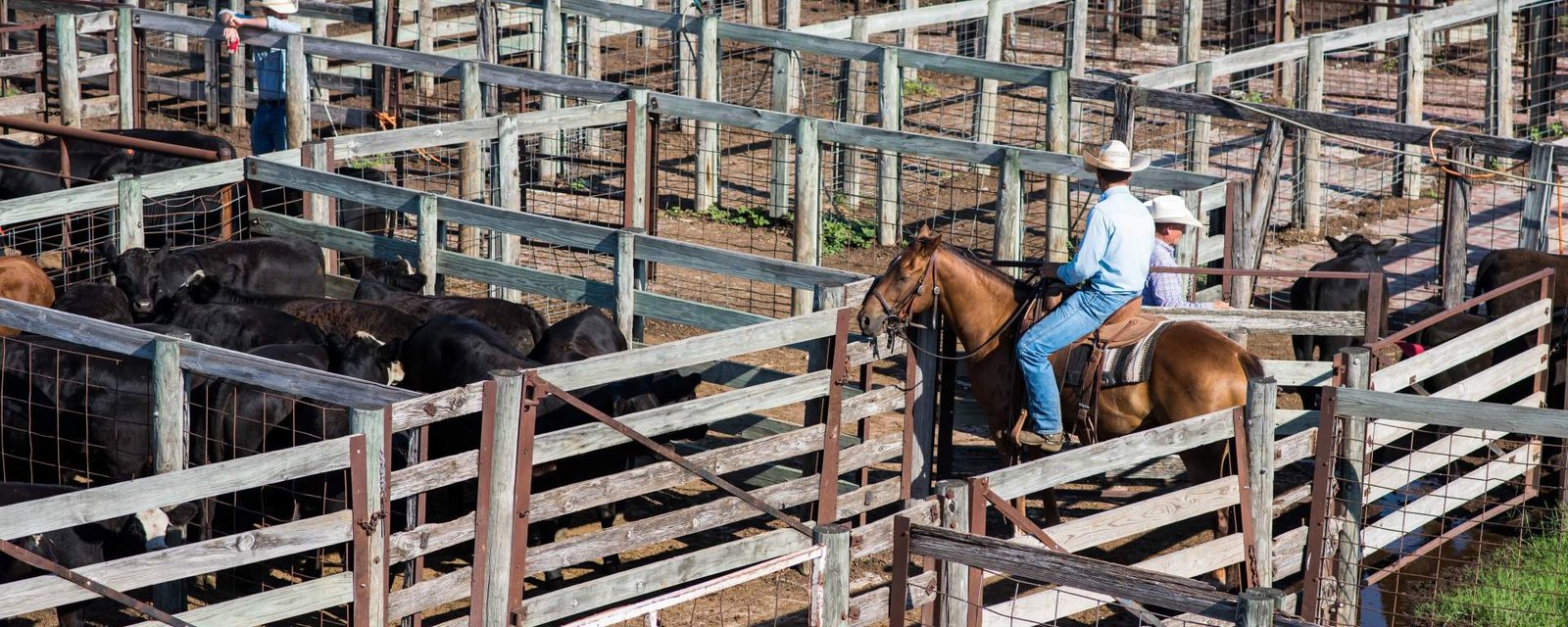
The cattle truck rumbles to a stop. Dust settles as 400-pound steers file into weathered wooden pens. An auctioneer’s rapid-fire chant echoes across a facility that’s witnessed over 102 million head of livestock since 1910.
This isn’t some museum piece or carefully curated tourist trap. It’s the Oklahoma National Stockyards in Stockyards City, where actual money changes hands every Monday and Tuesday in America’s last working cattle market that still operates the way it did a century ago.
Key Points
- Oklahoma National Stockyards runs the world’s largest stocker and feeder cattle market with live auctions happening twice weekly
- Cattlemen’s Steakhouse, which opened its doors in 1910, got its current ownership through a legendary 1945 dice game and has welcomed two U.S. presidents through those same doors
- The district transformed from empty plains to “Packingtown” in 1910, creating an instant economic boom for Oklahoma City that changed everything
- Authentic western wear stores like Langston’s (1913) and Shorty’s Hattery offer custom-made gear that working ranchers actually depend on
- Annual events include unique longhorn cattle drives right through city streets during St. Patrick’s Day and Christmas parades
- Located just minutes southwest of downtown Oklahoma City with walkable main streets and historic architecture that tells its own story
- The experience combines active agricultural commerce with Old West heritage, creating something special for families, tourists, and anyone interested in where their food comes from
World's Largest Cattle Market Still Operates Daily in Oklahoma City
Oklahoma National Stockyards earned its reputation as the “Wall Street of the West” through sheer volume and real influence. More than 102 million head of livestock have passed through these gates since 1910, according to Oklahoma National Stockyards records. Every Monday and Tuesday at 8:00 AM or 9:00 AM depending on what time of year it is, live cattle auctions determine market prices that ripple across the entire agriculture industry.
Walking the elevated catwalks gives you an aerial view of millions of dollars in real-time agricultural commerce. You’ll see working cowboys moving cattle through original wooden pens while auctioneers chant bids that can reach six figures for premium breeding stock. The sensory experience hits you immediately – livestock sounds, distinctive smells, and the sight of thousands of cattle organized in systematic rows across this massive facility.
Understanding the distinction matters here. This facility specializes in stocker and feeder cattle markets, not slaughter operations. Ranchers buy young cattle to grow on pasture or finish in feedlots before they eventually get processed. You’re watching the middle of the beef supply chain, where cattle change hands based on their weight gain potential and genetic quality.
The Million-Dollar Auction Experience
The catwalks offer more than just scenic views. They give you front-row seats to agricultural economics in action. Buyers study cattle movement patterns, weight estimates, and breeding potential while bidders signal with subtle nods or raised fingers. A single pen of premium cattle can sell for $200,000 or more in just minutes.
This remains a working stockyard, not some historical recreation. The wooden infrastructure, built for function rather than looking pretty, continues serving its original purpose after more than a century of use. Visitors get to witness genuine commerce where ranchers’ livelihoods depend on accurate cattle evaluation and smart buying decisions.
Cattlemen's Steakhouse
Cattlemen’s Steakhouse holds the distinction as Oklahoma City’s oldest continuously operating restaurant, opening its doors in 1910 right alongside the stockyards themselves. The restaurant’s current ownership traces back to a legendary 1945 dice game between Gene Wade and Hank Frey, where Wade won with a “Hard Six” roll – two threes. The “33” brand displayed on the wall commemorates this pivotal moment, according to Cattlemen’s Steakhouse historical records.
Presidential visits elevated the restaurant’s national profile. Both President George H.W. Bush and President Ronald Reagan ate here, along with Hollywood icon John Wayne. Television exposure through “Man v. Food” and “Diners, Drive-Ins and Dives” introduced Cattlemen’s to audiences nationwide.
The menu reflects stockyard culture authentically. “Lamb Fries” – deep-fried lamb testicles – serve as a culinary rite of passage for first-time visitors. Perfectly aged steaks dominate the dinner menu, while breakfast draws working cowboys right alongside curious tourists. The atmosphere shifts dramatically between morning coffee with ranch hands and evening dinners with city folks.
Presidential Dining and Celebrity History
Multiple presidential visits established Cattlemen’s political significance that went way beyond local boundaries. These weren’t just photo opportunities but genuine meals where presidents experienced authentic western hospitality. Celebrity patronage spanning decades created a legacy that attracts visitors seeking connections to American entertainment and political history.
Television fame brought national recognition, transforming a local institution into a destination restaurant. The exposure kept Cattlemen’s authentic character intact while introducing western dining culture to broader audiences across the country.
From Empty Plains to Packingtown
The transformation happened virtually overnight. In 1910, investors established what they called “Packingtown” to support meatpacking operations for Morris & Company and Sulzberger & Sons. According to the Oklahoma Historical Society’s Encyclopedia of Oklahoma History and Culture, this development created an instant economic engine that fueled Oklahoma City’s population boom in the early 20th century.
The district’s rapid evolution from empty plains to bustling industrial hub occurred within months, not years. Workers, businesses, and supporting infrastructure materialized as cattle operations demanded immediate commercial support. The original name “Packingtown” reflected the area’s industrial purpose before evolving into the more appealing “Stockyards City” designation.
National Register of Historic Places listing recognizes the district’s architectural significance. Buildings reflect early 20th-century industrial and commercial styles that were essential to livestock trade operations. Despite packing plant closures and ownership changes over the decades, the area maintained its cultural identity through continuous operation since 1910.
National Historic Designation
Preserved industrial heritage architecture tells the story of American agricultural development. Early 20th-century commercial building styles remain intact, providing visual connections to the district’s foundational era. Historic preservation efforts maintain the district’s character while allowing modern businesses to operate within original structures.
The designation protects architectural elements that might otherwise face demolition pressure from urban development. These buildings represent tangible links to Oklahoma’s transformation from territory to state, with Stockyards City serving as a catalyst for statewide economic growth.
Authentic Western Shopping
Langston’s Western Wear claims the title of Oklahoma’s oldest western wear store, established in 1913 according to Stockyards City Main Street records. Three years after the stockyards opened, this creates a century-plus legacy of outfitting working ranchers rather than costume-seeking tourists. The difference shows in both product quality and who actually shops there.
Shorty’s Caboy Hattery holds special significance as the first western hat store owned by a woman in the United States. Founder Lavonna “Shorty” Koger built a reputation for custom beaver fur felt hats and 100X Beaver hat specialties. The custom fitting process involves precise head measurements and personal style consultations that can take hours to complete properly.
Little Joe’s Boots creates high-end custom cowboy boots through weeks-long craftsmanship processes. Each pair requires multiple fittings, leather selection, and hand-finishing details that justify price points reaching several thousand dollars. National Saddlery focuses on working gear for ranchers – saddles, bridles, and equipment designed for daily ranch use rather than fashion statements.
Boxcar Woody rounds out the shopping experience with artisan furniture and woodwork that reflects western aesthetic sensibilities. The contrast with costume stores becomes apparent immediately – these establishments serve customers whose livelihoods actually depend on equipment durability and functionality.
Custom Western Craftsmanship
Custom hat making at Shorty’s involves selecting beaver fur quality, determining crown height and brim width, plus adding personal touches like hatbands or feathers. The process requires multiple visits as hats are shaped, blocked, and finished to individual specifications. Premium materials justify costs that exceed many people’s monthly budgets.
Boot fitting at Little Joe’s starts with foot measurements and gait analysis. Leather selection affects both appearance and durability, with exotic hides commanding premium prices. Working tack versus fashion accessories represents a fundamental distinction – ranch equipment must withstand daily use under harsh conditions while maintaining functionality for years.
Longhorn Parades and Cowboy Christmas
The Stockyards City St. Patrick’s Day Parade creates an unlikely cultural fusion with its signature “Longhorn Cattle Drive” down Agnew Avenue. According to Visit OKC, this unique blend of Irish heritage with cowboy culture reflects the area’s multicultural history, where Irish laborers worked alongside western cattle operations.
October brings the Stockyards Stampede annual festival featuring chuck wagons, longhorn demonstrations, and live music performances. The Cowboy Christmas Parade showcases longhorns decorated with wreaths while Santa arrives in a horse-drawn stagecoach. Rodeo Opry maintains connections to the district’s musical heritage through regular performances.
The visual spectacle of longhorn cattle walking on paved city streets provides prime “Instagrammable” moments for social media visitors. These events merge different cultural traditions, creating celebrations that honor both Irish immigrant workers and western cowboy heritage. Traffic stops completely during cattle drives, transforming urban streets into temporary pastures.
Signature Visual Experiences
Cattle drives through urban streets create surreal juxtapositions between modern city infrastructure and traditional western activities. Seasonal decorations on livestock add whimsical touches that appeal to photographers and families alike. Cultural fusion celebrations demonstrate how immigrant communities adapted western traditions while maintaining their heritage.
The parades attract participants and spectators from across Oklahoma and neighboring states. Hotels book months in advance for major events, particularly the St. Patrick’s Day celebration that combines two seemingly incompatible cultural traditions into something uniquely Oklahoma.
Prime Location Minutes from Downtown Oklahoma City
Stockyards City sits immediately southwest of downtown Oklahoma City, with main thoroughfares including Agnew Avenue and Exchange Avenue providing direct access. According to Travel Oklahoma, the district lies less than 10 minutes from downtown OKC, creating convenient access for visitors staying in central hotels.
The visual transition proves dramatic – from modern downtown skyline to low-rise, brick-lined streets that evoke early 20th-century commercial architecture. A large archway reading “Stockyards City” marks the district entrance, signaling the shift from urban to western atmosphere. Oklahoma River trail system connections allow pedestrian and bicycle access for active visitors.
The walkable main strip on Agnew Avenue contrasts with the sprawling actual stockyards facility. Visitors can easily cover shops and restaurants on foot while accessing the working cattle operations requires vehicle transportation or organized tours.
Transportation and Access
Multiple route options from downtown accommodate different traffic patterns and parking preferences. Peak auction days create increased congestion, particularly early mornings when ranchers arrive for cattle viewing. Pedestrian-friendly main corridor design encourages walking between attractions while preserving historic district character.
Historic district gateway landmarks provide clear navigation points for first-time visitors. Street signage maintains western themes while meeting modern traffic requirements. The balance between accessibility and character preservation reflects careful urban planning that respects both heritage and practical needs.
What to Expect at America's Last True Stockyards
Monday and Tuesday auction days offer the most authentic experience, but early morning arrival maximizes your exposure to market activity. Cattle viewing starts before auctions begin, allowing visitors to observe rancher evaluation techniques and livestock quality assessment processes.
The combination of working agricultural facility and tourist destination requires realistic expectations. Appropriate footwear becomes essential for stockyard tours – boots or sturdy shoes handle unpaved areas and potential livestock-related ground conditions. Photography opportunities abound at stockyards, restaurants, and shops, but respect for working operations takes priority.
Restaurant reservations prove advisable, especially for Cattlemen’s Steakhouse during peak dining hours. Annual events require advance planning and parking considerations as crowds can overwhelm normal capacity. Multi-generational appeal spans from agricultural education for children to western culture appreciation for adults.
Visitor Experience Tips
Appropriate attire for working stockyards includes closed-toe shoes, comfortable clothing, and weather-appropriate gear. Dust and livestock-related odors are unavoidable during active market days. Time allocation varies significantly – casual shopping might require two hours while custom boot fittings can consume entire afternoons.
Seasonal considerations affect both events and operations. Summer heat intensifies during outdoor stockyard activities while winter weather can impact auction schedules. Spring and fall generally provide optimal visiting conditions with comfortable temperatures and reliable event schedules.
Frequently Asked Questions
Live cattle auctions occur every Monday and Tuesday at Oklahoma National Stockyards, starting at either 8:00 AM or 9:00 AM depending on the season. The Oklahoma National Stockyards operates as the world's largest stocker and feeder cattle market, making these twice-weekly auctions significant events in the agricultural industry.
Cattle viewing typically begins earlier in the morning, allowing ranchers and buyers to assess livestock quality before bidding starts. The auctions continue throughout the day until all cattle are sold, which can extend into the afternoon during peak seasons with high cattle volumes.
Visiting Stockyards City itself costs nothing - the historic district operates as a public area with free admission to streets, shops, and restaurants. According to Visit OKC, the cattle auction viewing areas are also free to access, allowing visitors to observe live agricultural commerce without charge.
However, individual businesses set their own pricing for meals, shopping, and services - Cattlemen's Steakhouse entrées range from $20-50, while custom western wear can cost hundreds or thousands of dollars. Parking in the district is generally free, making Stockyards City an affordable destination for families and budget-conscious travelers seeking authentic western experiences.
Cattlemen's Steakhouse gained fame as Oklahoma City's oldest continuously operating restaurant since 1910, plus its unique ownership history involving a 1945 dice game where Gene Wade won the restaurant with a "Hard Six" roll of two threes.
The restaurant hosted Presidents George H.W. Bush and Ronald Reagan, along with John Wayne, establishing its reputation for presidential dining and celebrity patronage. According to Cattlemen's Steakhouse historical records, the establishment became nationally known for "Lamb Fries" (deep-fried lamb testicles) and perfectly aged steaks.
Television exposure through "Man v. Food" and "Diners, Drive-Ins and Dives" introduced the restaurant to nationwide audiences, cementing its status as a must-visit destination for authentic western dining experiences.
Little Joe's Boots creates high-end custom cowboy boots through weeks-long craftsmanship processes that include multiple fittings, premium leather selection, and hand-finishing details. According to Stockyards City Main Street, this establishment serves working ranchers who require durable footwear rather than fashion-oriented customers seeking costume pieces.
The custom fitting process involves foot measurements, gait analysis, and leather selection that affects both appearance and functionality. Prices reflect the quality and customization level, often reaching several thousand dollars for exotic hides and intricate designs.
The distinction between working ranch equipment and fashion accessories becomes apparent through both product construction and the actual customers shopping at these authentic western outfitters.
The Stockyards City St. Patrick's Day Parade occurs annually in March, featuring the unique "Longhorn Cattle Drive" down Agnew Avenue that creates an unlikely fusion of Irish heritage with cowboy culture.
According to Visit OKC, this celebration reflects the area's multicultural history where Irish laborers worked alongside western cattle operations in the early 20th century. The parade typically takes place on the Saturday closest to St. Patrick's Day, allowing maximum participation from both local residents and visitors.
Traffic stops completely during the longhorn cattle drive portion, transforming urban streets into temporary pastures while creating prime photography opportunities. The event attracts participants and spectators from across Oklahoma and neighboring states, making hotel reservations advisable well in advance.
Stockyards City sits immediately southwest of downtown Oklahoma City, less than 10 minutes by car according to Travel Oklahoma. The district's proximity to downtown creates convenient access for visitors staying in central hotels while maintaining its distinct historic character.
Main thoroughfares including Agnew Avenue and Exchange Avenue provide direct routes between downtown and the stockyards area. The visual transition proves dramatic - from modern downtown skyline to low-rise, brick-lined streets that evoke early 20th-century commercial architecture.
Oklahoma River trail system connections also allow pedestrian and bicycle access for active visitors, though most attractions require vehicle transportation due to the working stockyard facility's expansive layout across multiple city blocks.
Oklahoma National Stockyards welcomes visitors to observe live cattle auctions from elevated catwalks that provide aerial views of active trading operations. According to Oklahoma National Stockyards, these viewing areas remain free and open to the public during auction days (Monday and Tuesday), allowing visitors to witness millions of dollars in real-time agricultural commerce.
The facility operates as a working stockyard rather than a tourist attraction, meaning access depends on daily operations and safety considerations. Visitors can walk the catwalks independently to observe cattle movement, auctioneer activities, and rancher buying decisions.
The experience provides authentic exposure to agricultural economics in action, where genuine commerce occurs rather than historical reenactments or educational demonstrations designed specifically for tourists.
Lamb Fries at Cattlemen's Steakhouse are deep-fried lamb testicles that serve as both a menu specialty and a culinary rite of passage for first-time visitors. According to Cattlemen's Steakhouse, this dish reflects authentic stockyard culture where utilizing entire animals was both economical and practical for ranch operations.
The preparation involves breading and deep-frying to create a crispy exterior while maintaining tender interior texture. Many visitors order Lamb Fries as a novelty experience or dare among friends, though the dish has legitimate culinary merit beyond shock value.
The restaurant's television appearances on "Man v. Food" and "Diners, Drive-Ins and Dives" featured Lamb Fries prominently, introducing the dish to national audiences and establishing it as a signature item that distinguishes Cattlemen's from conventional steakhouses.
Stockyards City offers multi-generational appeal spanning from agricultural education for children to western culture appreciation for adults, according to Travel Oklahoma. The live cattle auctions provide educational opportunities where children can observe agricultural economics and livestock management in authentic settings.
However, parents should prepare children for sensory experiences including livestock sounds, distinctive smells, and the sight of thousands of cattle in commercial operations. Family-friendly restaurants like Cattlemen's accommodate children while offering menu options beyond adventurous items like Lamb Fries.
Annual events including longhorn parades create "Instagrammable" moments that appeal to families seeking unique photography opportunities. The walkable main strip on Agnew Avenue allows easy navigation between shops and attractions without requiring extensive physical exertion from younger visitors.
Cattle auctions at Oklahoma National Stockyards begin at either 8:00 AM or 9:00 AM on Monday and Tuesday, with start times varying by season according to Oklahoma National Stockyards operations. Cattle viewing typically commences earlier in the morning, allowing ranchers and potential buyers to assess livestock quality before bidding begins.
The auctions continue throughout the day until all cattle are processed, which can extend into afternoon hours during peak seasons with high cattle volumes. Early morning arrival maximizes visitor exposure to market activity and provides optimal viewing opportunities before crowds develop.
The facility operates as the world's largest stocker and feeder cattle market, making these twice-weekly auctions significant events in determining national cattle pricing trends that influence the entire agricultural industry.
Shorty's Caboy Hattery offers custom beaver fur felt hats and 100X Beaver hat specialties, holding distinction as the first western hat store owned by a woman in the United States according to Stockyards City Main Street records.
Founder Lavonna "Shorty" Koger established a reputation for precision custom fitting that involves head measurements, crown height determination, brim width selection, and personal style consultations.
The process requires multiple visits as hats are shaped, blocked, and finished to individual specifications using premium materials that justify significant investment costs. Custom hatbands, feathers, and other personal touches complete each creation through weeks-long craftsmanship processes.
The establishment serves working ranchers who require functional headwear capable of withstanding daily ranch conditions, distinguishing Shorty's from costume stores or fashion-oriented western wear retailers.
Presidents George H.W. Bush and Ronald Reagan both dined at Cattlemen's Steakhouse during their presidencies, establishing the restaurant's political significance beyond local boundaries according to Cattlemen's Steakhouse historical records.
These weren't photo opportunity visits but genuine meals where presidents experienced authentic western hospitality in the stockyard district. The presidential visits elevated Cattlemen's national profile and created lasting connections between Oklahoma's agricultural heritage and American political leadership.
Along with presidential dining, the restaurant hosted Hollywood icon John Wayne, creating celebrity patronage that spans decades of American entertainment history. These high-profile visitors contributed to Cattlemen's reputation as a destination restaurant where authentic western dining culture attracts national figures seeking genuine experiences rather than tourist attractions.
Stockyards City was established in 1910 to support meatpacking operations for Morris & Company and Sulzberger & Sons, making the district 114 years old as of 2024. According to the Oklahoma Historical Society's Encyclopedia of Oklahoma History and Culture, the area originally operated under the name "Packingtown" before evolving into "Stockyards City" designation.
The development created an instant economic engine that fueled Oklahoma City's population boom in the early 20th century through rapid transformation from empty plains to bustling industrial hub within months.
Continuous operation since 1910 maintains the district's authentic character despite packing plant closures and ownership changes over more than a century. National Register of Historic Places listing recognizes architectural significance that preserves early 20th-century industrial and commercial building styles essential to livestock trade operations.
Cattlemen's Steakhouse gained national television exposure through appearances on "Man v. Food" and "Diners, Drive-Ins and Dives," showcasing the restaurant's authentic western dining culture and specialty dishes like Lamb Fries.
According to Cattlemen's Steakhouse, these television features introduced the establishment to nationwide audiences while maintaining its authentic character rather than transforming it into a tourist attraction.
The shows highlighted both the restaurant's historic significance as Oklahoma City's oldest continuously operating restaurant since 1910 and its role in preserving stockyard culture through traditional menu items.
Television fame brought increased visitor traffic from across the country while demonstrating how authentic western establishments can attract media attention without compromising their original purpose of serving local ranchers and stockyard workers alongside curious tourists seeking genuine cultural experiences.
Longhorn cattle appear prominently during annual events including the Stockyards City St. Patrick's Day Parade's "Longhorn Cattle Drive" down Agnew Avenue and the Cowboy Christmas Parade featuring longhorns decorated with seasonal wreaths.
According to Visit OKC, these parades create visual spectacles where longhorn cattle walk on paved city streets, providing prime photography opportunities for social media visitors. The Oklahoma National Stockyards facility may also feature longhorn cattle during regular auction operations, though the facility primarily handles stocker and feeder cattle rather than specialty breeds.
Rodeo Opry events occasionally showcase longhorn demonstrations as part of western heritage programming. The sight of longhorn cattle in urban settings creates surreal juxtapositions between modern city infrastructure and traditional western activities that define Stockyards City's unique character.
Spring and fall generally provide optimal visiting conditions with comfortable temperatures and reliable event schedules, avoiding extreme summer heat that intensifies during outdoor stockyard activities. According to Travel Oklahoma, seasonal considerations significantly affect both events and operations - summer temperatures can make cattle viewing uncomfortable while winter weather may impact auction schedules.
March brings the signature St. Patrick's Day Parade with longhorn cattle drives, while October features the Stockyards Stampede annual festival with chuck wagons and live music. December offers the Cowboy Christmas Parade for seasonal celebrations.
Monday and Tuesday auction days provide the most authentic experiences year-round, but early morning arrival becomes especially important during warmer months. Weather-appropriate clothing preparation varies significantly between seasons, from summer heat protection to winter gear for outdoor stockyard activities.
Cattle auction viewing areas at Oklahoma National Stockyards remain free and open to the public during auction days, allowing visitors to observe live agricultural commerce from elevated catwalks without admission charges.
According to Oklahoma National Stockyards, these viewing opportunities provide access to millions of dollars in real-time cattle trading where ranchers make genuine business decisions rather than tourist demonstrations.
The facility operates as a working stockyard where authentic commerce occurs, making free public access particularly valuable for agricultural education and cultural experiences. Visitors can walk the catwalks independently to observe auctioneer activities, cattle movement patterns, and buyer evaluation techniques.
The free access policy reflects the facility's commitment to agricultural education and community engagement while maintaining operations as the world's largest stocker and feeder cattle market.
Langston's Western Wear holds the distinction as Oklahoma's oldest western wear store, established in 1913 according to Stockyards City Main Street records, providing over a century of service to working ranchers. Shorty's Caboy Hattery specializes in custom beaver fur felt hats as the first western hat store owned by a woman in the United States.
Little Joe's Boots creates high-end custom cowboy boots through weeks-long craftsmanship processes involving multiple fittings and premium leather selection. National Saddlery focuses on working gear for ranchers including saddles, bridles, and equipment designed for daily ranch use rather than fashion accessories.
These establishments serve customers whose livelihoods depend on equipment durability and functionality, distinguishing them from costume stores or tourist-oriented western wear retailers through both product quality and customer demographics.
Time allocation varies significantly based on interests and activities - casual shopping and dining might require 2-4 hours while custom boot fittings or comprehensive cattle auction viewing can consume entire days.
According to Travel Oklahoma, Monday and Tuesday auction days offer the most authentic experiences but require early morning arrival and extended time commitment for full market exposure. Restaurant reservations at Cattlemen's Steakhouse prove advisable during peak dining hours, while custom western wear services may require multiple visits over weeks or months for completion.
Annual events including parades create day-long experiences with increased crowds requiring advance planning. The combination of working agricultural facility and tourist destination means visitors should allocate flexible time schedules to accommodate both planned activities and spontaneous discoveries while respecting ongoing ranch operations.
Parking in Stockyards City is generally free throughout the district, making it an affordable destination for families and budget-conscious travelers according to Visit OKC. The historic district operates as a public area without admission charges, and this extends to most parking areas along main thoroughfares including Agnew Avenue and Exchange Avenue.
However, peak auction days (Monday and Tuesday) create increased congestion as ranchers arrive for cattle viewing and bidding, potentially making parking spaces more competitive during early morning hours.
Annual events including parades may require advance planning for parking access as crowds can overwhelm normal capacity. The free parking policy reflects the district's commitment to accessibility while supporting local businesses that depend on visitor traffic for economic sustainability within the historic preservation framework.
Driving Directions From Stockyards City Main Street, Oklahoma City, OK 73108 to 5-Star Towing OKC, 2800 SW 25th St, Oklahoma City, OK 73108 - 6 min (2.2 miles) via S Pennsylvania Ave and SW 25th St
Stockyards City Main Street, Oklahoma City, OK 73108
Head south on S Pennsylvania Ave toward SW 9th St - 1.2 mi
Turn right onto SW 25th St/Commerce St
Continue to follow SW 25th St - 0.9 mi
Turn left, Destination will be on the right - 407 ft
5-Star Towing OKC, 2800 SW 25th St, Oklahoma City, OK 73108
We also offer towing and roadside assistance services near Stockyards City, OKC. Learn more about Heritage Hills OKC.