
Picture your car sputtering to a stop on a busy highway during rush hour. Your palms sweat as traffic whizzes past at 70 mph. This scenario plays out for countless drivers every single day across America. The difference between a minor inconvenience and a dangerous situation often comes down to one crucial factor, having reliable roadside assistance ready before you need it.
Key Takeaways
- AAA rescues roughly 30 million drivers each year, showing just how many Americans need roadside assistance services
- About a quarter of all roadside calls involve battery problems, and surprisingly, summer heat actually kills more batteries than winter cold
- Tacking roadside coverage onto your auto insurance runs $14-20 per year but usually limits towing to just 5-10 miles, while membership clubs cost $50-100+ with much better mile limits
- Apps that let you pay as you go charge roughly $49 each time without requiring annual fees, and they give you Uber-style tracking
- Most plans let you call for help about 4 times per year, and making too many insurance claims might bump up your rates
- If you live out in the country, you’ll want higher towing limits since repair shops are spread farther apart, while city folks can get away with cheaper options
- Today’s apps use GPS to get help to you faster, and if you drive an electric vehicle, you’ll need special services like mobile charging
Why Every Driver Needs an Emergency Plan
Your car will break down. This isn’t being negative, it’s just reality. AAA helps around 30 million stranded drivers every year across the United States, and according to AAA Newsroom data, about 69 million breakdowns happen nationwide annually. Do the math, and you’ll see that nearly one out of every four drivers faces a vehicle emergency each year.
Things get even more worrying when you look at how old our cars are getting. S&P Global Mobility found that the average age of light vehicles in the U.S. has hit an all-time high of 12.5 years. Older cars break down way more often because of aging parts, worn components, and just plain years of wear and tear.
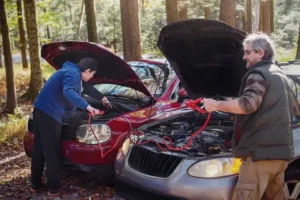
Dead batteries cause more roadside emergencies than anything else, they account for about 25% of all calls for help. Here’s something that surprises most people, blazing summer heat actually destroys car batteries more than freezing winter weather does. Dead batteries, flat tires, and getting locked out are the three biggest reasons drivers reach for their phones to call for assistance.
The money side of this isn’t pretty either. If you don’t have coverage, you’re looking at paying around $109 for a typical tow, according to ValuePenguin. Need a long-distance tow? That’ll run you $4-6 for every mile, turning what started as a simple breakdown into something that really hurts your wallet. Smart drivers get prepared for these situations instead of crossing their fingers and hoping for the best.
Insurance vs Memberships vs Apps
Auto Insurance Add-Ons
Adding roadside assistance through your insurance company is the cheapest way to get started, running about $14-20 per vehicle each year. But that low price comes with some pretty tight limits that catch a lot of drivers off guard when they actually need help. Most of the time, you’re only covered for towing 5-10 miles, or they’ll take you to the “nearest qualified facility”, which might not be the mechanic you know and trust.
Your insurance company gets to decide where your car goes. You can’t ask them to tow you to your regular mechanic across town if there’s a closer shop. Here’s another thing to watch out for, some insurance companies actually count roadside calls as claims, which could mean higher rates when it’s time to renew your policy.
That short towing distance is a real problem if you live in a rural area where the closest repair shop might be way beyond what your coverage includes. City drivers have it easier here since repair shops are everywhere in urban areas.
Membership Clubs
Standalone roadside services stick with you, not your car. This flexibility means you’re covered no matter what vehicle you’re driving, rental cars, your friend’s car, whatever. You’ll pay $50-100+ per year, but what you get in return makes it worthwhile.
If you go with a higher-tier membership, you can get towing up to 100 miles away, and you get to pick where your car goes. You can tell them to take you to your favorite repair shop instead of just accepting wherever’s closest. These memberships also throw in extra perks like trip interruption coverage, which pays you back for meals and hotel rooms if your car breaks down when you’re far from home.
Since the coverage follows you instead of your vehicle, membership clubs work great for families with several cars or people who travel a lot and rent vehicles. You’re protected no matter what you’re driving.
Pay-Per-Use Digital Apps
On-demand apps get rid of annual fees while giving you modern features like watching your help arrive in real-time. Services like HONK start at about $49 per call, though the exact cost depends on where you are and what kind of help you need. You’re paying extra for the convenience of not being locked into any ongoing payments.
These digital platforms work like Uber, you can watch the service truck heading your way on your phone. They use GPS to figure out exactly where you are, which gets help to you faster. The higher cost per incident balances out with having zero commitment, making apps a good fit for people who don’t need help very often but want the modern convenience factor.
Hidden Costs and Coverage Limitations You Must Know
Towing Distance Restrictions
Mile limits are the surprise expense that catches people most often with roadside assistance. Basic insurance plans usually only cover towing 5-10 miles, which doesn’t help much in rural spots where repair shops are few and far between. Go over those limits and you’re paying $5-7 for every extra mile out of your own pocket.
Premium memberships usually let you tow to “any destination you want” within bigger radius limits, sometimes as far as 100 miles. This comes in really handy when your go-to mechanic works across town or when you need specialized repairs that aren’t available nearby.
Service Call Limits and Exclusions
Most subscriptions let you call for help four times a year, max. Go over that and you’re paying full price for any extra assistance. Winching and pulling your car out of trouble has distance limits too, standard plans only cover getting vehicles out of ditches if you’re within 10 feet of a paved road.
Providers will bring you gas for free, but you still pay for the actual fuel unless you’ve got premier-tier coverage. These fine print details can turn what you thought would be free into something that costs you money.
Out-of-Pocket Cost Comparisons
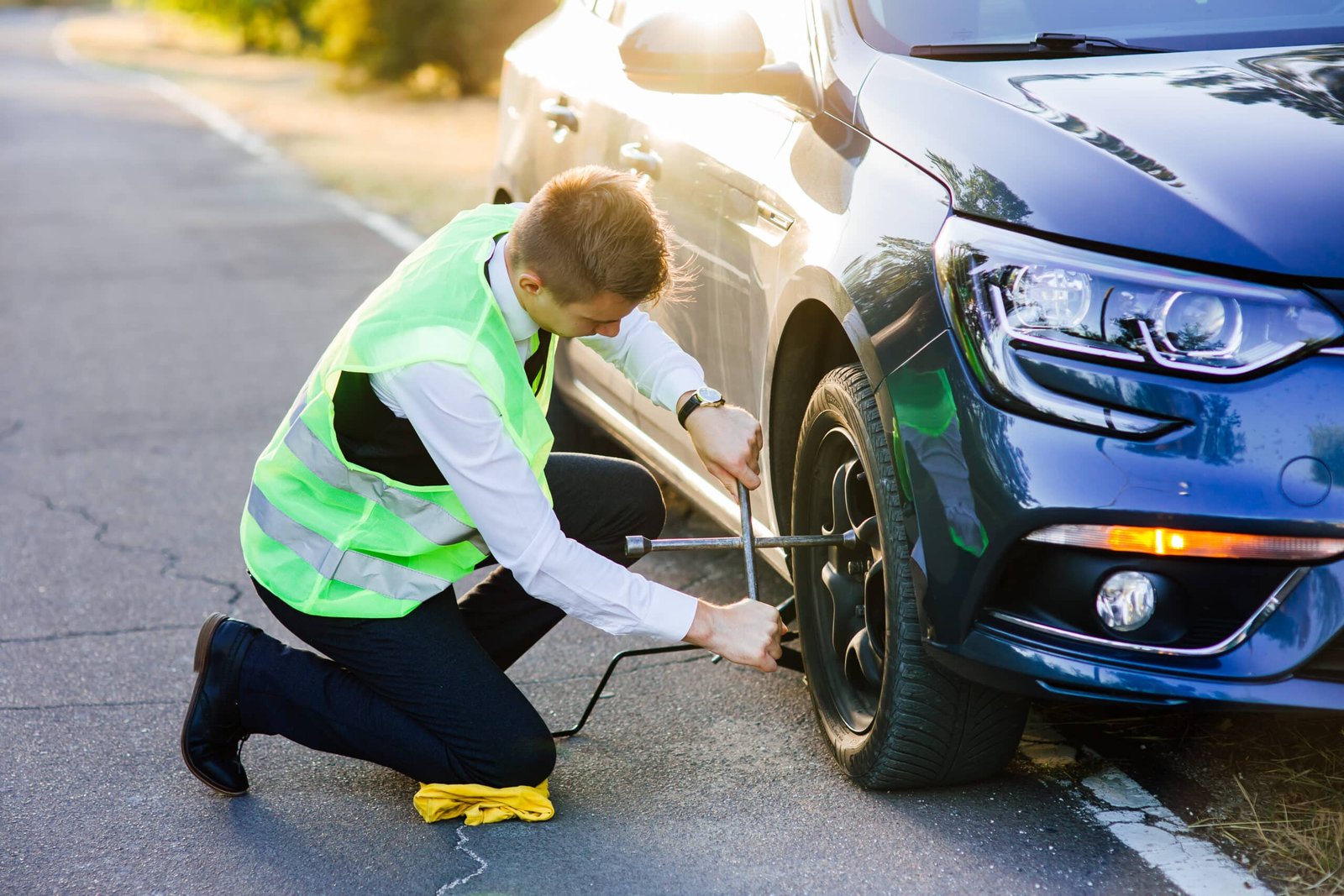
Knowing what services cost on their own helps you figure out if a membership is worth it. Getting back into a locked car costs $50-150 when you pay for it yourself. Jump-starting a dead battery typically runs $75-100, and changing a tire costs somewhere between $50-75 depending on where you are and what time it is.
These individual service costs add up really fast, especially if you run into trouble more than once a year. A single long-distance tow can set you back several hundred bucks, which makes even the pricier memberships look like a bargain.

Emergency Safety Protocols While Waiting for Help
Immediate Actions Upon Breakdown
Get your vehicle off the road if you can physically make it move. If your car absolutely won’t budge, hit those hazard lights right away so other drivers can see you. Take note of mile markers, exit numbers, or anything distinctive so you can tell the dispatcher exactly where you are.
Pop your hood or tie something white to your antenna or door handle so passing drivers and police know you need help. Every state in the country has “Move Over” laws that tell drivers to slow down or switch lanes when they see stopped emergency vehicles, but unfortunately, not everyone follows these rules.
Personal Safety Decisions
When you’re stuck on a high-speed highway, you need to think carefully about safety. Usually, you’re safer staying inside your car with your seatbelt on than standing on the shoulder, unless your car is smoking or about to catch fire. Your physical safety matters way more than worrying about the car itself.
Don’t stand directly behind or in front of your car when you’re on a highway shoulder. If you absolutely have to get out, move away from traffic and get behind barriers if you can find them. Other drivers can’t see you very well, especially when it’s dark or the weather’s bad.
The Future of Roadside Assistance
GPS Integration and Smart Dispatch
Modern apps use GPS technology so you don’t have to guess about where you are, and they get help to you way faster. Real-time tracking lets you see when your service provider will arrive, which really helps with the stress of not knowing how long you’ll be waiting. Digital systems keep you updated throughout the whole process.
These tech improvements have cut down average response times a lot compared to the old phone-based systems. Accurate location information helps dispatchers send the closest available truck, and built-in maps help them figure out the best route to reach you.
Electric Vehicle Considerations
Owning an electric vehicle brings some new wrinkles to roadside service needs. Regular towing methods can actually damage EV parts, so you need specialized flatbed equipment. Mobile charging services are starting to pop up for dealing with dead batteries without having to tow you all the way to a charging station.
EV-specific roadside assistance works with charging network apps to find nearby places to charge. Some providers have mobile charging units that can give you enough juice to make it to a permanent charging station. As more and more people buy electric vehicles, these specialized services are going to become increasingly important for complete roadside coverage.
Frequently Asked Questions
Adding it to your auto insurance typically costs $14-20 per year per vehicle, which is the cheapest route according to Consumer Reports. Membership clubs like AAA run from $50-100+ yearly depending on what level of coverage you want, while pay-per-use apps charge around $49 each time without any yearly fees. Whether it's worth it really depends on how often you use it, if you need help just twice in a year, membership plans often save you money compared to paying for individual services.
AAA membership sticks with you as a driver, not your specific car, so you're covered in any vehicle you drive, rentals, friends' cars, whatever. Insurance add-ons only cover the specific vehicles listed on your policy and usually limit towing to 5-10 miles or wherever the insurance company decides to send you. AAA Plus gives you up to 100 miles of towing and lets you choose where you want to go, while insurance plans focus more on keeping costs down than giving you options, according to Edmunds roadside assistance analysis.
How long you wait varies a lot depending on where you are and what time it is, ranging from 30 minutes in cities to over 90 minutes in rural spots during busy times. Modern GPS-enabled apps usually get help to you faster than old-school phone systems because they automatically pinpoint exactly where you are. Weather, traffic, and whether there's someone available all affect arrival times, winter storms and rush hour traffic typically make you wait longer.
Most plans include changing tires as a basic service, but the details vary between different providers. Basic plans will usually put on your spare tire if you've got one that's accessible and actually usable, while some premium memberships will arrange for you to buy and install a new tire if your spare is flat or you don't have one. The service generally doesn't pay for new tires, just the work of changing them, though some high-end plans will reimburse you for tire costs up to certain dollar amounts.
Membership-based services like AAA, Good Sam, and Better World Club stick with you as a member no matter what vehicle you're in, covering you in rental cars, friends' vehicles, or any car you happen to be driving. Insurance-based roadside assistance usually only covers the specific vehicles on your policy. This difference really matters if you travel a lot and rent cars or if you're a family sharing multiple vehicles, membership plans give you way more flexibility for these situations.
Put your personal safety first, above everything else, get your car off the road if you can and turn on your hazard lights immediately. Stay inside your vehicle with your seatbelt on if you're near high-speed traffic unless your car is actually in immediate danger from smoke or fire. Write down mile markers or landmarks so you can tell them exactly where you are, and don't stand directly behind or in front of your car on highway shoulders where drivers coming up behind you might not see you well.
Most subscription plans let you call for help four times per year, though some premium options offer unlimited calls. Go over those limits and you'll pay full price for extra services. Insurance-based roadside assistance might record your calls as claims, which could bump up your rates if you use it a lot, according to J.D. Power Auto Insurance Study data. Pay-per-use apps don't cap how many times you can call, but they charge more per incident, which can get expensive if you need help often.
The big providers offer round-the-clock coverage every day of the year, including holidays, though how long you wait can vary a lot during overnight hours and busy times. Rural areas might see longer delays after hours because there aren't as many service providers around. Some smaller regional providers only work certain hours or charge extra for after-hours service, so double-check the coverage details before assuming you can get help any time, especially if you often drive at night or in remote areas.
Standard plans don't cover the cost of fuel (they'll bring it to you for free, but you pay for the gas), parts and materials for repairs, or anything beyond basic roadside help. Winching usually only covers vehicles within 10 feet of paved roads, and some plans won't help with commercial vehicles or vehicles over certain weight limits. Off-road recovery, multiple tries for the same problem, and getting help at your home or workplace might need premium coverage or cost you extra depending on what your plan says.
Towing distances are all over the map between different plans, basic insurance add-ons usually limit you to 5-10 miles or the nearest shop that can fix your problem, while premium memberships like AAA Plus offer up to 100 miles and let you pick where you want to go. Distance limits are a real headache in rural areas where repair shops are scarce. Go over the mileage limit and you're paying $5-7 for every extra mile, which makes unlimited or high-mileage plans really valuable if you live somewhere spread out or if you've got a specific shop you always use.
New cars often come with manufacturer roadside assistance for 3-5 years or 36,000-60,000 miles, so you might not need extra coverage right away. But this coverage usually ends when the manufacturer's warranty runs out, leaving you without protection during the years when vehicles are more likely to have problems as they age. Plus, manufacturer assistance might limit which service providers you can use and where they can take you compared to independent memberships, so getting supplemental coverage might be worthwhile even for newer cars depending on how and where you drive.
Most big insurance companies let you add roadside assistance as an optional extra to your current policy, usually costing $14-20 per year per vehicle. Just call your insurance agent to add it on, and it typically starts working right away or when your policy renews next. But keep in mind the limitations, insurance-based assistance restricts how far they'll tow you and where they'll take you, and using it a lot could affect your rates, which makes independent memberships a better choice if you want comprehensive coverage.
Have your membership number or policy info ready, exact details about where you are including mile markers or cross streets, and a description of your vehicle, make, model, color, and license plate number. Explain clearly what the problem is, dead battery, flat tire, locked out, or mechanical failure, and mention any safety issues like being close to traffic or in a dangerous spot. Modern apps might automatically figure out where you are through GPS, but having backup location information makes sure they can find you even if the technology messes up.
Lockout service comes with most roadside assistance plans as a standard benefit, typically covering the work of getting you back into your vehicle. But coverage might not include luxury cars that need special tools, vehicles with fancy security systems that might get damaged during entry, or situations where you actually lost your keys instead of just locking them inside. Some providers charge for replacing or programming actual keys, only covering the unlocking itself.
Apps like HONK connect you directly with nearby tow trucks and service providers through digital platforms, similar to how ride-sharing works. You enter where you are and what's wrong, get price quotes from whoever's available, and track the truck you picked in real-time as it heads your way. You pay through the app with clear pricing, so there are no surprise charges. These services usually cost more per call than membership plans, but they give you modern conveniences and you don't have to pay anything annually, which works well for people who only need help occasionally.