
Your car sputters to a halt on I-35 smack in the middle of rush hour. Cars whiz by at 70 mph while you’re stuck on the shoulder, heart pounding, wondering if that awful grinding sound you heard means you’re looking at a massive repair bill or just something simple.
Right now though, your wallet’s the least of your worries, you need to get your car safely off this highway before someone slams into you or you cause a pile-up. Here’s what most folks don’t know, calling the wrong towing company can actually cost you thousands in repairs you didn’t need. Light duty towing is designed specifically for regular passenger cars, small trucks, and motorcycles that weigh up to 10,000 pounds.
But here’s the catch, if someone shows up with the wrong equipment for your compact car, or if they don’t know how to handle your all-wheel drive vehicle properly, they can wreck expensive parts in just a few minutes flat.
Main Notes
- Light duty towing handles vehicles up to 10,000 pounds, that includes your everyday sedans, SUVs, motorcycles, and pickup trucks like the Ford F-150
- Oklahoma City sprawls across 620 square miles, which creates some real headaches for coverage across the major interstates like I-35, I-40, and I-44
- Flatbed trucks are your best bet for preventing transmission damage on AWD vehicles, while wheel-lift trucks can squeeze into tight downtown parking garages
- Oklahoma’s crazy weather, from brutal ice storms to those scorching 100°F+ summer days, means breakdowns happen year-round and need specialized gear
- You’re typically looking at hook-up fees between $75-$125, plus around $3-$5 per mile according to what most companies charge
- Oklahoma’s Move Over Law says you’ve got to change lanes or slow down when passing tow trucks, ignore it and you’re facing fines starting around $235
- Legit companies stay licensed through the Oklahoma Corporation Commission and carry proper insurance to protect you
Light Duty Vehicle Classifications and Weight Limits
Light duty towing breaks down into two main vehicle classes based on something called Gross Vehicle Weight Rating (GVWR). Class 1 vehicles tip the scales between 0 and 6,000 pounds, basically most of the cars you see cruising around Oklahoma City every day. We’re talking sedans like your Honda Accord or Toyota Camry, smaller SUVs such as the Honda CR-V, every size of motorcycle you can think of, and those minivans families haul everyone around in.
Class 2 vehicles weigh in between 6,001 and 10,000 pounds, and that’s where light duty service maxes out. Your bigger SUVs like the Chevy Tahoe or Ford Expedition land here, along with those popular pickup trucks, Ford F-150, Chevy Silverado 1500, you know the ones. Commercial cargo vans that delivery guys and contractors drive around all day also fit this weight range, so they’re perfectly fine for light duty towing gear.
What Exceeds Light Duty Limits
Once you hit 10,001 pounds, you’re out of light duty territory, now you need medium duty towing with beefier equipment built to handle those heavier loads. Box trucks for moving stuff, dually pickup trucks hauling heavy equipment or pulling trailers, and recreational vehicles usually blow past light duty weight limits. Try towing an overweight vehicle with light duty gear and you’re asking for serious trouble, equipment breaking down, damage to the vehicle, maybe even causing an accident on busy highways like I-35 or I-40.
Professional operators always check the vehicle weight before they send out a truck to make sure they’re not setting up a dangerous situation. Here’s an interesting tidbit, light-duty towing makes up about 70-80% of all towing calls in cities according to industry numbers, which is why getting the classification right matters so much for safely recovering vehicles all across Oklahoma City’s massive service area.

Oklahoma City's Massive Service Area and Major Highway Coverage
Oklahoma City spreads out over roughly 620 square miles, putting it at number 8 on the list of largest cities in the United States by land area according to the United States Census Bureau. That huge sprawl creates some real challenges for towing companies trying to get to people quickly across all those different neighborhoods, from Edmond down to Moore and from Yukon over to Midwest City.
The major interstate highways see the heaviest traffic and the most breakdowns. I-35 cuts north-south right through downtown, connecting everyone driving between Kansas and Texas, and it gets absolutely jammed during rush hour.
I-40 is your main east-west route, linking folks coming from Arkansas with those heading out to California. Then you’ve got I-44 running diagonally through the metro, serving as that critical connection between Oklahoma City and Tulsa while handling tons of commercial truck traffic.
Service Coverage Challenges
Where I-35 and I-40 cross, they call it the Crossroads of America, that’s one of the most nerve-wracking spots to break down because you’ve got heavy traffic merging from all four directions. The Broadway Extension (I-235) gets clogged up every single morning and evening with commuters, making breakdown recovery downright dangerous for both drivers and the tow truck operators.
The turnpike systems, including the Kilpatrick Turnpike and Kickapoo Turnpike, throw their own curveballs with faster speed limits and not much shoulder room for safely recovering a vehicle.
When you’re talking about covering 600+ square miles across Oklahoma City, response times can really vary depending on traffic jams, weather conditions, and where the nearest available truck happens to be, that’s why having a good network of local providers makes such a difference for getting help quickly.
Essential Towing Equipment for Modern Vehicles
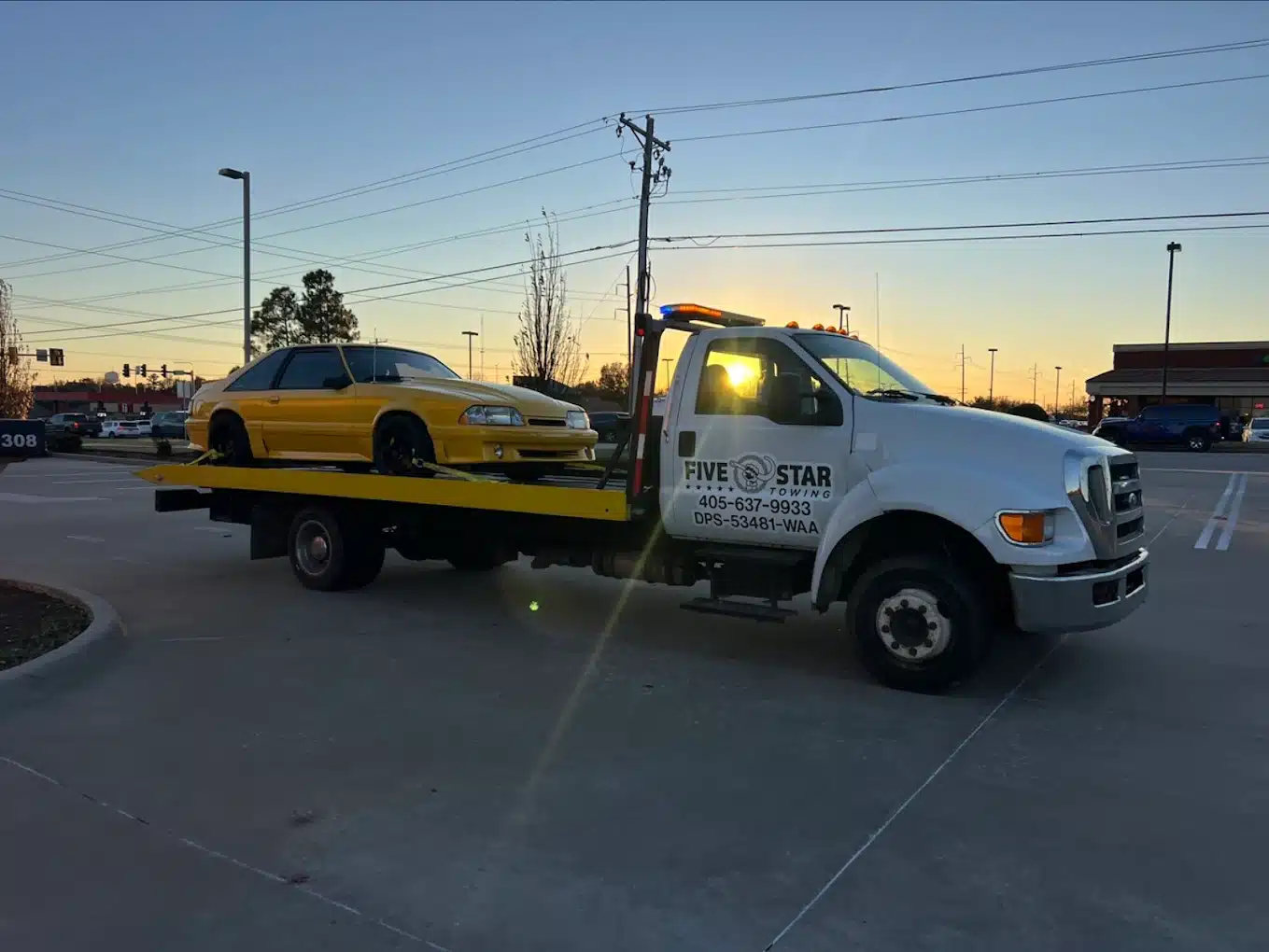
Flatbed tow trucks are hands-down the safest way to haul most vehicles, especially the ones with all-wheel drive systems. These trucks have rollback beds that run 19 to 21 feet long, made from aluminum or steel, and they can load up your whole car without any wheels touching the pavement.
This matters big-time because it prevents that transmission damage that happens when you tow AWD vehicles the old-fashioned way with just two wheels up, according to automotive engineers, you can completely trash the drivetrain in less than 5 miles doing it wrong.
Wheel-lift trucks shine when you’re dealing with tight spots in the city where flatbeds just can’t squeeze through. These trucks use metal yokes that grab only the vehicle’s tires, so they don’t mess up your bumpers or body panels.
They’re compact enough to get into parking garages with those low ceilings under 7 feet, making them perfect for downtown Oklahoma City spots like Bricktown or the central business district where there’s just no way a flatbed’s getting in there.
Specialized Equipment
Go-Jacks let operators move vehicles sideways in cramped spaces where regular loading just won’t work. Motorcycle towing needs its own special dollies and chocks to keep those two-wheeled rides secure during the trip.
Professional operators keep winch systems on hand with at least 8,000-pound pulling power for vehicles stuck in ditches or rough terrain you’ll find along Oklahoma’s country highways.
Dollies come into play when the vehicle’s wheels are locked up from brake failure or transmission problems, letting you transport the car safely without forcing any movement of busted parts.
Modern towing gear includes hydraulic systems that cut down loading time while reducing the chances of scratching up your ride during recovery, really important when you’re dealing with pricey luxury cars or classic vehicles that need kid-glove treatment during transport.
Oklahoma Weather Creates Year-Round Towing Demands
Summer temps regularly climb past 100°F all across Oklahoma City, creating breakdown patterns you can practically set your watch by as vehicle systems get pushed past what they’re designed to handle.
Engines overheat when cooling systems give up under that extreme heat, and tire blowouts shoot way up because hot asphalt reaches temps that literally weaken the rubber. Car batteries lose 30-50% of their juice when it gets freezing cold, but here’s the kicker, heat is actually the #1 culprit for battery corrosion and failure according to AAA’s seasonal breakdown numbers.
Spring storm season rolls in with nasty weather including hail, tornadoes, and flash flooding that create their own special recovery headaches.
Vehicles that get caught in flash floods often end up with hydrolocked engines when water gets sucked into the air intake system, you need immediate professional recovery to stop the whole engine from being totaled. Recovering hail damage means careful transport to prevent even more dents and dings during the loading and unloading process.
Winter Ice Storm Hazards
Oklahoma’s ice storms create absolutely treacherous driving that leads to tons of slide-off accidents, especially on bridges and overpasses where ice forms first and sticks around longest. Black ice stays invisible to drivers right up until they lose control, requiring winch-out services to pull vehicles from ditches, medians, and those steep embankments running alongside major highways.
Cold weather makes those battery problems even worse, but winter towing calls often involve cars stuck in snow or ice rather than actual mechanical breakdowns. Professional operators keep specialized chains, sand, and extra equipment ready for safe operation during winter weather events that can leave hundreds of drivers stranded across Oklahoma City’s sprawling highway system.

Transparent Pricing Structure and Cost Breakdown
Base hook-up fees cover the basic costs of sending out a tow truck and getting your vehicle professionally loaded onto the equipment. These fees usually run between $75 and $125 according to what the industry charges, reflecting what it costs to maintain specialized equipment, pay for insurance coverage, and keep trained operators available around the clock.
Loading and securing your vehicle follows specific safety steps that protect both your car and other drivers on the road during transport. Mileage rates figure out the cost per mile from where you broke down to wherever you need to go, typically running $3 to $5 per mile based on current prices.
They measure distance using standard odometer readings or GPS to make sure the billing’s accurate. Local trips inside Oklahoma City boundaries often cost less than long hauls out to the suburbs or neighboring towns.
Additional Service Charges
Winching services get billed separately when your vehicle needs to be pulled out of a ditch, mud, or other tough spots. If you don’t have your keys handy, that means special loading procedures or bringing in extra equipment, which adds labor charges on top of the standard hook-up fee. When wheels are locked up, you need dollies or other specialized gear, which bumps up both the time and cost for getting your car recovered.
Insurance Coverage Considerations
Auto insurance policies often throw in roadside assistance coverage that pays you back for towing costs up to certain limits, typically $100 to $150 per incident. Consensual towing rates might be different from non-consensual situations like parking violations or accident recovery, with consensual services usually offering better prices. Insurance companies like working with licensed, professional operators who keep proper paperwork and follow established industry rules for preventing damage and staying safe.
Oklahoma Move Over Law and Roadside Safety Requirements
Oklahoma Statute Title 47 spells out exactly what drivers need to do when they’re coming up on stopped emergency vehicles and tow trucks with their flashers going. You’ve got to switch lanes away from the emergency vehicle when you can do it safely, or really slow down below the speed limit if you can’t safely change lanes.
Break the Move Over law in Oklahoma and you’re looking at fines that typically start around $235 or higher depending on where you are, according to the Oklahoma Department of Public Safety.
The Oklahoma Corporation Commission keeps tabs on the towing industry, separating consensual and non-consensual towing operations with specific licensing requirements. Legit towing companies stay current with their OCC oversight and show their up-to-date registration info, giving you a way to verify they’re following industry rules and professional standards.
Safety Protocols While Waiting
Highway safety means staying inside your vehicle with seatbelts on while you’re waiting for professional help, especially on high-speed roads like I-35 or I-40 where traffic’s flying by at 70+ mph. Get your vehicle as far away from the active traffic lanes as you possibly can, using shoulders or emergency parking spots when they’re available.
Turn on your emergency flashers the second you stop to warn drivers coming up behind you that you’re sitting still. Don’t get out and stand around outside your car unless you absolutely have to, between distracted drivers and those high speeds, it creates deadly conditions for people on foot along Oklahoma highways. Professional tow operators work out safe loading procedures that keep everyone’s exposure time as short as possible during the recovery.

Choosing Professional Service Providers in OKC
How companies spread their trucks across Oklahoma City’s 620 square miles determines how fast they can get to you and whether they’re even available during busy times. Local providers position their equipment strategically throughout the metro area, ensuring they can reach you way faster than competitors who’ve got to drive all the way across the entire city to get to where you broke down.
What equipment they have on hand varies by how big the company is and what they specialize in, bigger operators usually keep diverse fleets that can handle different types of vehicles and all kinds of recovery situations.
Technology makes service coordination and keeping customers in the loop so much better through GPS tracking, mobile apps, and automated dispatch systems. Modern equipment standards include being able to handle low-clearance vehicles, essential for sports cars and modified rides, plus proper compatibility with all-wheel drive systems that prevents wrecking expensive drivetrain parts during transport.
Service Quality Indicators
Checking licensing through the Oklahoma Corporation Commission makes sure they’re following state regulations and industry standards. Insurance coverage protects you from liability while your vehicle’s being transported, and equipment condition shows whether the company’s investing in safety and reliability.
Driver training and certification requirements really vary between operators, professional companies put money into ongoing education and safety protocol updates that help both operators and customers during emergency situations.
How often they maintain their equipment shows the company’s commitment to reliability and safety, especially important during extreme weather when breakdown frequency shoots way up across Oklahoma City’s extensive highway network.
Emergency Preparation and Prevention Tips
Keeping up with seasonal vehicle maintenance cuts down on breakdowns across Oklahoma’s wild temperature swings. Summer coolant system checks prevent overheating during that intense heat that regularly tops 100°F throughout July and August. Winter prep includes testing the battery, checking tires, and making sure fluid levels are good before ice storm season hits.
Getting ready for spring storm season means checking emergency supplies, updating contact info for reliable towing services, and making sure proper insurance paperwork is easy to grab during severe weather. Regular maintenance schedules take care of common failure points before they leave you stranded on busy highways at the worst possible time.
Emergency Kit Essentials
Contact information for reliable towing services should include several providers with proven track records for responding quickly across Oklahoma City’s service area. Vehicle paperwork including registration, insurance cards, and emergency contact numbers needs waterproof storage that you can access easily during stressful breakdown situations.
Breakdown Response Protocol
Getting safely positioned away from active traffic lanes matters more than trying to figure out what’s wrong or attempting repairs. Proper hazard identification means turning on emergency flashers, setting up reflective triangles when it’s safe to do so, and using interior lights during nighttime breakdowns.
When you’re talking to towing dispatch, they need accurate location info, what your vehicle looks like, and specific details about the problem so operators can bring the right equipment for your particular situation. Getting your vehicle ready for transport means taking out personal items, securing any loose parts, and giving your keys to professional operators who handle the loading procedures safely and efficiently.
Frequently Asked Questions
Light duty towing services handle vehicles up to 10,000 pounds GVWR, which covers pretty much all passenger cars, motorcycles, minivans, and pickup trucks like the Ford F-150 or Chevy Silverado 1500.
Class 1 vehicles (0-6,000 pounds) include sedans, smaller SUVs like the Honda CR-V, and motorcycles, while Class 2 vehicles (6,001-10,000 pounds) cover larger SUVs such as the Chevy Tahoe and commercial cargo vans. The United States Department of Transportation sets up these weight classifications to make sure the right equipment gets matched up for safe vehicle recovery.
Anything over 10,001 pounds needs medium duty equipment with more muscle for box trucks, dually pickups carrying heavy loads, or big RVs that standard light duty equipment just can't handle safely.
Typical light duty towing runs you hook-up fees between $75 and $125 plus mileage charges of $3 to $5 per mile based on what companies are charging across Oklahoma City these days. Extra services like winch-out recovery, dealing with missing keys, or locked wheel situations get billed separately beyond base rates.
Lots of auto insurance policies throw in roadside assistance coverage that reimburses towing costs up to $100-$150 per incident, though consensual towing rates often run different from non-consensual situations.
How far you need to go makes a big difference in total cost, local moves within Oklahoma City typically cost less than hauling out to suburban areas or neighboring communities because of those mileage calculations.
Flatbed trucks load your whole vehicle onto a 19-21 foot bed with all wheels completely off the ground, giving maximum protection for AWD vehicles and preventing that transmission damage that can happen in less than 5 miles when you tow incorrectly.
Wheel-lift trucks use metal yokes that only touch the tires, making them perfect for tight spaces like downtown parking garages with ceilings under 7 feet where flatbeds just can't fit.
Flatbeds offer better protection for luxury vehicles, low-clearance sports cars, or any vehicle with all-wheel drive systems that need professional handling. Wheel-lift trucks excel in urban spots like Bricktown or the central business district where space is tight but still provide safe transport for front or rear-wheel drive vehicles.
All-wheel drive vehicles absolutely need flatbed towing to prevent destroying the drivetrain, towing with two wheels on the ground can cause expensive transmission damage in less than 5 miles according to automotive engineering data.
Professional operators in Oklahoma City keep specialized flatbed equipment specifically for AWD system compatibility, making sure all four wheels stay off the ground during transport.
Try using wheel-lift methods on AWD vehicles like Subaru Outbacks or Audi Quattro models and you're looking at thousands of dollars in transmission repairs that insurance typically won't cover if wrong towing methods caused the damage.
Good towing companies check the drive system setup before loading to prevent costly mistakes that wreck expensive AWD parts.
Response times across Oklahoma City's 620 square miles change based on traffic jams, weather, and what trucks are available, typically running 20-45 minutes for local providers who position their fleet strategically.
The United States Census Bureau confirms Oklahoma City as the 8th largest city by land area, creating unique coverage challenges that far-away providers just can't handle efficiently. High-traffic spots like where I-35 and I-40 meet might see delays during rush hour, while suburban locations often need longer response times because of the distance from where trucks stage.
Professional companies keep multiple trucks positioned throughout the metro area to cut down response times, though bad weather or major accidents can really impact availability across the whole service region.
Professional OKC light duty towing services cover Oklahoma City's entire 620 square mile area including suburbs like Edmond, Moore, Yukon, and Midwest City along with major highway corridors I-35, I-40, and I-44.
Coverage extends to turnpike systems including the Kilpatrick Turnpike and Kickapoo Turnpike, though how long it takes varies based on distance and traffic.
Downtown areas like Bricktown need specialized equipment for getting into parking garages, while rural highways demand different capabilities for ditch recovery and off-road situations. Local providers position their fleets strategically to serve high-frequency
breakdown areas like the Crossroads of America intersection and Broadway Extension corridor where traffic volume creates more breakdowns requiring immediate professional response.
Motorcycle towing needs specialized dollies and chocks to secure two-wheeled vehicles safely during transport, preventing damage to fairings, handlebars, or other delicate parts. Professional operators keep motorcycle-specific equipment including tie-down straps rated for proper weight distribution and loading ramps designed for low-clearance bikes that can't be pushed onto standard truck beds.
Harley-Davidson touring bikes, sport bikes, and custom motorcycles each need different securing methods to prevent expensive damage during transport across Oklahoma City's highway system.
Standard automotive towing equipment just can't safely handle motorcycles because of their unique weight distribution and lack of four-wheel stability, making specialized motorcycle towing services essential for proper recovery of two-wheeled vehicles throughout the metro area.
Stay inside your vehicle with seatbelts fastened while waiting for professional help, Oklahoma highways like I-35 and I-40 have traffic flying by at 70+ mph that creates deadly conditions for people on foot.
Get your vehicle as far from active traffic lanes as possible using shoulders or emergency parking areas, then turn on emergency flashers right away to alert approaching drivers. Oklahoma Statute Title 47 requires other drivers to move over or slow down when approaching emergency vehicles, but compliance really varies during heavy traffic.
Avoid standing outside your vehicle unless you absolutely must, distracted drivers and high speeds create dangerous conditions that professional tow operators work to minimize through safe loading procedures that cut down exposure time for everyone involved.
Most auto insurance policies include roadside assistance coverage that reimburses towing expenses up to specified limits, typically $100-$150 per incident, though coverage varies by provider and policy type.
Consensual towing situations generally offer better rates than non-consensual recovery following accidents or parking violations, with insurance companies preferring licensed operators who follow established safety protocols. Comprehensive coverage might include additional protection for vehicle damage during transport, making it important to check your policy details before you need emergency services.
The Oklahoma Corporation Commission regulates towing operations to ensure professional standards, with legitimate operators maintaining proper insurance coverage that protects customers from liability during vehicle transport across Oklahoma City's extensive service area.
Oklahoma Statute Title 47 says drivers must change lanes away from stopped emergency vehicles and tow trucks with flashing lights, or slow down significantly if lane changes can't be done safely.
Breaking the Move Over law results in fines typically starting around $235 or more depending on where you are according to the Oklahoma Department of Public Safety. The law protects tow truck operators who face real risks while recovering vehicles on high-speed highways like I-35 and I-40 where traffic moves at dangerous speeds past emergency scenes.
Professional tow operators work with law enforcement when necessary to ensure proper traffic control during vehicle recovery, though driver compliance with Move Over requirements stays essential for operator safety throughout Oklahoma City's busy highway system.
Wheel-lift tow trucks can get into most parking garages in downtown Oklahoma City and Bricktown with height restrictions under 7 feet, while flatbed trucks typically can't maneuver in these tight spaces because of their extended bed length.
Professional operators keep compact wheel-lift equipment specifically for urban environments where space limitations prevent larger vehicle operation. Parking garage recovery needs careful measurement of clearance heights, turning radii, and weight restrictions that some older structures can't handle safely.
Underground garages throw additional challenges including elevator limitations and narrow ramps that require specialized equipment and experienced operators familiar with downtown Oklahoma City's unique architectural constraints that affect vehicle recovery procedures.
Ice storm breakdown recovery needs specialized equipment including chains, sand, and beefed-up safety protocols for operations on slippery surfaces throughout Oklahoma City.
Professional operators make safety the priority during winter weather events, often working with emergency management officials to ensure safe access to stranded motorists. Black ice conditions on bridges and overpasses create particularly dangerous situations requiring winch-out capabilities for vehicles that slide into ditches or medians.
Cold weather makes breakdown frequency shoot up as car batteries lose 30-50% of their power below freezing according to AAA data, though winter towing often involves slide-off recovery rather than mechanical failures, requiring different equipment and procedures than standard breakdown situations.
Check licensing through the Oklahoma Corporation Commission which oversees towing industry regulation and keeps records of legitimate operators throughout the metro area. Look at insurance coverage, equipment condition, and driver training standards that professional companies maintain through ongoing certification programs.
Local providers with established fleet positioning across Oklahoma City's 620 square miles typically offer faster response times than distant competitors who must travel huge distances to reach breakdown locations.
Professional companies keep proper paperwork, transparent pricing structures, and established safety protocols that protect customers during vehicle transport, while avoiding unlicensed operators who may lack adequate insurance coverage or proper equipment for safe vehicle recovery.
Accurate location information including highway mile markers, nearby exits, or cross streets helps dispatchers find you quickly across Oklahoma City's extensive road network.
Vehicle description including make, model, year, and specific problems helps operators prepare appropriate equipment for your situation. Mention if your vehicle has all-wheel drive, low clearance, or other special requirements that affect towing methods and equipment selection.
Contact information including cell phone numbers and backup contacts ensures communication during the recovery process, while insurance details help determine coverage and billing procedures for professional service providers who work with insurance companies regularly throughout their daily operations.
Light duty towing equipment handles vehicles up to 10,000 pounds GVWR safely, anything over this limit needs medium duty equipment designed for heavier loads. Class 1 vehicles (0-6,000 pounds) include most passenger cars and small SUVs, while Class 2 vehicles (6,001-10,000 pounds) cover large SUVs and pickup trucks like the Ford F-150.
Professional operators check vehicle weight before sending out equipment to prevent safety hazards including equipment failure or vehicle damage that can happen from using wrong equipment for heavy vehicles.
The 10,000-pound standard represents industry safety limits established by equipment manufacturers and regulatory agencies, ensuring proper matching between vehicle weight and towing equipment capacity for safe recovery operations throughout Oklahoma City's diverse vehicle population.