
Your car breaks down 20 miles from home, and suddenly you’re staring down a towing bill that could land anywhere from $100 to $240 depending on a bunch of different factors you’ve probably never thought about. The shock comes in waves – first when your engine quits, then again when you catch sight of that final invoice.
Key Takeaways
- A 20-mile tow typically runs between $125-$250 for standard vehicles, figured out with a hook-up fee plus charges for each mile
- The type of vehicle you drive makes a big difference in pricing, with AWD/4WD needing pricey flatbed service
- AAA Plus membership ($100-$130/year) takes care of 20-mile tows completely, while basic plans stick you with paying for 15 miles
- After-hours, weekend, and holiday service tacks on $50-$150 or 10-25% surcharges to what you’d normally pay
- Heavy-duty vehicles face hook-up fees topping $150 plus mileage rates over $6/mile
- Flatbed towing costs $10-$30 more upfront but saves your transmission on all-wheel-drive vehicles from damage
- Where you live creates major price swings, with rural areas often hitting you with premium rates
Towing Cost Calculation
Most people find out the hard way that towing isn’t just about getting from point A to point B. The average cost for hauling a standard passenger vehicle 20 miles lands somewhere between $125 and $250, according to J.D. Power research. This price range comes from the industry’s go-to formula: Hook-up Fee + (Cost Per Mile × Distance).
Base hook-up fees sit anywhere from $50 to $100, while per-mile rates bounce around from $2.50 to $7.00 depending on where you are and which towing company shows up. Here’s how it breaks down. If they hit you with a $75 hook-up fee plus $4.00 per mile, you’re looking at $155 for that 20-mile trip. Consumer Reports data shows that 20-mile distances fall right at the sweet spot between flat-rate packages and per-mile pricing, making those first 5-10 miles the priciest on a per-mile basis because of that hefty base fee.
Breaking Down Your Towing Bill Components
Three scenarios paint a picture of the pricing range you’ll run into. The budget scenario combines a $50 hook-up fee with $2.50 per mile, coming to $100 for your 20-mile tow. Mid-range pricing throws in a $75 hook-up fee plus $4.00 per mile, hitting $155 total. Premium scenarios involve a $100 hook-up fee with $7.00 per mile, pushing your bill up to $240.
These differences aren’t just random. Rural areas with fewer companies to choose from often charge steeper rates, while city markets with several towing services duke it out more aggressively on price. CostHelper research points to companies in metro areas typically offering the lower end of this range, while out-of-the-way locations demand premium prices.
Vehicle Type and Weight Class Impact on Pricing
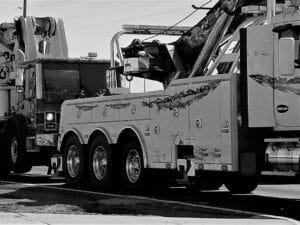
What you drive makes a huge difference in your final bill. Standard and light-duty vehicles like sedans and compact SUVs get away with base rates. Medium-duty vehicles including bigger trucks, vans, and RVs get slapped with surcharges of 20% to 25% above what you’d normally pay. Heavy-duty towing pushes base hook-up fees past $150, with mileage rates climbing over $6.00 per mile.
All-wheel-drive and four-wheel-drive vehicles need flatbed service to keep transmission damage at bay, automatically bumping up your costs. Kelley Blue Book data backs up that trying to wheel-lift an AWD vehicle can wreck your differential to the tune of thousands, making flatbed service a must rather than a nice-to-have.
Special Circumstances and Additional Fees
After-hours, weekend, and holiday service slaps on surcharges anywhere from $50 to $150 flat fees or percentage bumps of 10-25% above normal rates. Winch-out services for stuck vehicles run $50 to $200 per hour, billed on top of everything else before the actual towing even starts. Accident scenes bring cleanup fees of $30 to $50 extra on top of standard towing charges.
Ditch or mud retrieval calls for specialized equipment and know-how, with recovery work billed separately from the 20-mile tow that comes after. These situations often double what you thought you’d pay, turning a $150 tow into a $300+ emergency bill.

Flatbed versus Wheel Lift
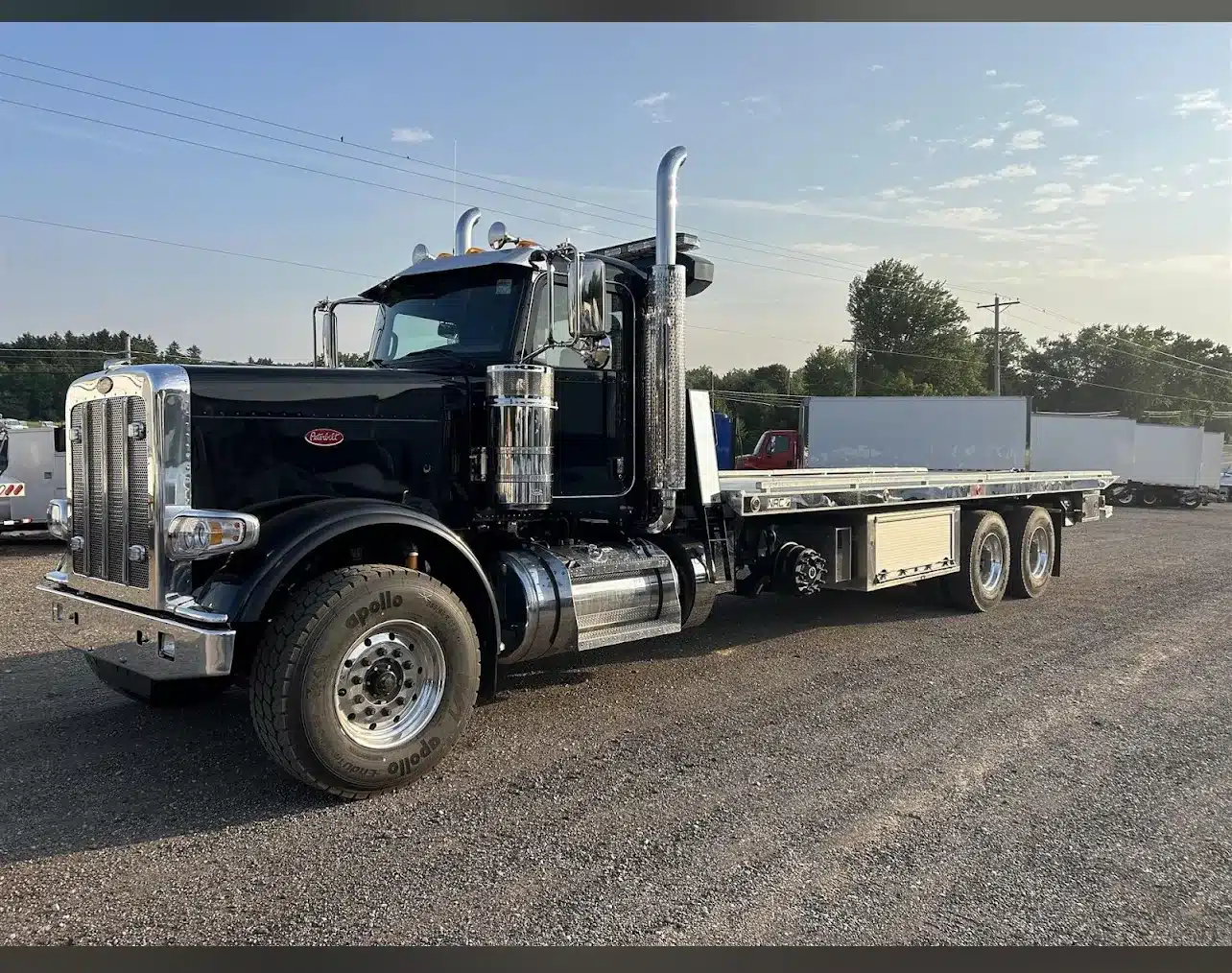
Wheel lift towing usually gives you the cheaper option for front-wheel-drive vehicles that can safely roll along. Flatbed towing adds $10 to $30 to the hook-up fee but gives you critical protection for certain vehicle types. AWD and 4WD vehicles have to use flatbed service to dodge differential damage that could set you back thousands in repairs.
Flatbed service becomes required for vehicles with serious damage that can’t roll safely, missing wheels, or really low ground clearance. Luxury and classic cars benefit from flatbed protection over 20-mile distances, avoiding road debris damage and extra stress on suspension parts.
When Each Method Is Required
Go with wheel lift towing for front-wheel-drive sedans in tight spots where flatbeds can’t squeeze through. Pick flatbed service for AWD SUVs, lowered sports cars, vehicles missing wheels, and classic automobiles. The $10-$30 upfront premium for flatbed service often heads off way bigger repair bills down the line.
AAA Membership versus Insurance Coverage
AAA Classic membership runs $60-$90 annually but only handles the first 5 miles, sticking you with the bill for the remaining 15 miles at full per-mile rates. AAA Plus membership at $100-$130 per year covers up to 100 miles, meaning your entire 20-mile tow costs you absolutely nothing out of pocket. AAA Premier membership ranges from $120-$160 annually and covers up to 200 miles.
Auto insurance roadside assistance typically runs $15 to $30 per year but often caps coverage at 15-20 miles, potentially leaving you hanging on longer tows. Credit card perks usually throw in $50 to $70 per event or 10-mile limits, coming up short of full 20-mile coverage.
Coverage Provider Comparison
State Farm Emergency Road Service, Geico Emergency Road Service, Progressive Roadside, and Allstate Roadside Assistance offer competitive annual rates but differ quite a bit in how many miles they’ll cover. Good Sam Roadside Assistance focuses on RV coverage with better distance limits. Chase Sapphire Reserve and American Express Platinum throw in roadside benefits but with strict per-incident dollar caps that might not cover full 20-mile towing costs.
The numbers strongly point toward comprehensive coverage for people who hit the road regularly. A single 20-mile tow costing $200 beats the annual cost of quality roadside assistance, making membership a smart money move for most drivers.
Frequently Asked Questions
The cost ranges from $100 to $240 for standard vehicles, with most people shelling out between $125-$250 according to J.D. Power data. This price includes a base hook-up fee of $50-$100 plus per-mile charges of $2.50-$7.00.
Where you are, what you drive, and when you need service all make a real difference in the final amount, with rural areas and after-hours calls commanding premium pricing.
Three big things determine your bill: how heavy your vehicle is, when you need service, and where you're located. Medium-duty vehicles like large trucks face 20-25% surcharges above base rates, while heavy-duty towing tops $150 for hook-up fees alone.
After-hours service tacks on $50-$150 in surcharges, and rural spots often charge 30-50% more than city markets because of limited competition and longer distances to reach you.
Flatbed service costs $10-$30 more for the initial hook-up fee but charges the same per-mile rates as wheel lift towing. The total difference for a 20-mile tow ranges from $10-$30, making flatbed service a pretty minor upgrade cost.
Consumer Reports drives home that flatbed towing becomes mandatory for AWD/4WD vehicles to prevent transmission damage, making the price difference a moot point for these vehicle types.
AAA Plus membership ($100-$130 annually) handles 20-mile tows completely with zero out-of-pocket costs, while AAA Classic only covers the first 5 miles. AAA Premier gives you up to 200 miles of coverage, making it perfect for longer trips.
The membership pays for itself with one use, as spelled out in AAA's membership benefits guide, since one 20-mile tow typically costs more than what you pay for the whole year.
After-hours service adds $50-$150 flat fees or 10-25% percentage bumps to standard rates. Weekend and holiday surcharges follow the same pattern, with some companies throwing both flat fees and percentage increases at you.
Cost Helper data shows that a standard $150 daytime tow can hit $200-$275 during nights, weekends, or holidays, making timing a big cost factor when emergencies strike.
Light-duty towing for standard passenger vehicles uses base rates of $50-$100 hook-up fees plus $2.50-$7.00 per mile. Heavy-duty towing for big trucks and commercial vehicles starts with hook-up fees pushing past $150 and per-mile rates over $6.00.
The specialized equipment and training needed for heavy-duty vehicles backs up the premium pricing, with total costs often doubling compared to standard passenger car towing.
Most auto insurance roadside assistance covers 15-20 miles but only costs $15-$30 annually, making how far they'll cover you the main worry rather than cost. State Farm, Geico, and Progressive offer roadside assistance add-ons that typically handle the full 20-mile distance, though specific coverage bounces around by policy.
Insurance coverage often gives you better bang for your buck than credit card benefits, which usually cap reimbursement at $50-$70 per incident no matter how far you actually towed.
Winch-out services run $50-$200 per hour and get billed separately from the towing charges that come after. Recovery work for vehicles stuck in ditches, mud, or snow needs specialized equipment and often stretches out service time quite a bit.
Kelley Blue Book research shows that recovery situations can double what you thought you'd pay, turning a standard $150 tow into a $300+ service call when they need to do serious winching.
City markets typically offer lower rates because of competition, while rural areas charge premium pricing because of longer response distances and fewer service options. Rural towing can run 30-50% more than urban rates, with base fees hitting the higher end of standard ranges.
Remote locations also mean longer wait times, as tow trucks have to travel farther to reach stranded vehicles, adding operational costs that get passed along to you.
Roadside assistance coverage delivers better value for most drivers, with AAA Plus membership costing less than a single 20-mile tow. Annual coverage at $100-$130 breaks even with one service call, while throwing in extra benefits like battery jumps and lockout service.
Cash payments make more sense for people who rarely drive or hardly ever leave their local area, but the peace of mind and guaranteed service make membership worthwhile for regular travelers.
AWD vehicles need mandatory flatbed service, adding $10-$30 to hook-up fees but using standard per-mile rates. The slight premium prevents transmission damage that could set you back thousands in repairs, making flatbed service essential rather than optional.
J.D. Power data confirms that trying to wheel-lift tow AWD systems voids warranties and creates expensive mechanical headaches, backing up the additional cost for proper equipment.
Accident scene towing includes cleanup fees of $30-$50 plus potential traffic management surcharges. Police-directed tows often use contracted services with set rates, cutting down your ability to shop around for competitive pricing.
Emergency response situations may also trigger after-hours surcharges even during business hours, as spelled out in Consumer Reports research on roadside assistance costs.
Weekend rates typically add $50-$150 flat fees or 10-25% surcharges to standard pricing, while major holidays can bump costs up by 25-50%.
Some companies stack both flat fees and percentage increases for holiday service, making these the priciest times for towing service. CostHelper data shows that planning ahead and steering clear of peak demand periods can save you $50-$100 on identical towing services.
Chase Sapphire Reserve and American Express Platinum throw in roadside benefits but cap reimbursement at $50-$70 per incident, often falling short of full 20-mile towing costs.
These cards work best for minor hassles like battery jumps or lockouts rather than long-distance towing. Dedicated roadside assistance programs typically give you better coverage for extended towing needs than credit card benefits.
Room to negotiate exists mainly in non-emergency situations where you can reach out to multiple providers for quotes. Emergency roadside situations limit your bargaining power, especially with police-directed tows that use contracted services.
Getting quotes from several companies during business hours can reveal serious price differences, with savings of $50-$100 possible by choosing competitive providers over the first truck that shows up.