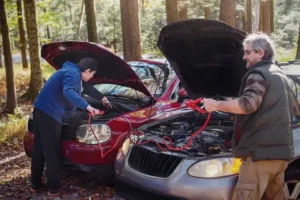

It’s the moment every driver dreads. Your engine sputters, coughs, and then dies on the I-40, just outside of Oklahoma City. Cars and trucks rush past at seventy miles per hour, their speed a stark contrast to the sudden, heavy silence inside your cabin. You coast to the shoulder, your heart sinking.
A quick check of your phone confirms the bad news. You are far from home, and this is not a quick fix. You need a tow, and more importantly, you need to know what it’s going to cost before you even make the call. The price of a long-distance tow can often hit your wallet even harder than the repair bill itself.
Key Takeaways
- Know the estimated cost. A 100 mile tow usually falls between 275 and 825 dollars.
- Understand the pricing. Charges typically include a one time hook up fee of 75 to 125 dollars plus a per mile rate of 2 to 7 dollars.
- Watch for extra fees. Costs may rise for heavy vehicles, after hours service, or flatbed towing.
- The best way to save. Roadside assistance memberships like AAA can significantly reduce these expenses.
What It Costs to Tow a Car 100 Miles
When it’s all said and done, the average total cost to tow a car 100 miles usually lands somewhere between $275 and $825. This is not a random number. The wide price range exists because towing companies calculate their rates using two main components, a fixed fee for arriving and attaching your vehicle, and a variable charge based on the number of miles driven.
You can get a pretty good estimate using a simple formula. Let’s say a company has a $100 hook-up fee and charges $3.50 per mile. For your 100-mile trip, the math would look like this ($100 Hook-up Fee) + (100 miles x $3.50/mile) = a $450 Total Cost.
It’s the distance that really changes the game. A short 10-mile tow across town might only run you $150 because the mileage charge is a small piece of the pie. But on a 100-mile journey, that per-mile rate becomes the biggest factor in your final bill. Industry experts at J.D. Power point out that understanding these rates before the truck is dispatched is the best way to avoid a nasty surprise when you see the invoice.
To give you a clearer picture, here’s how those costs can look across different price points:
Estimate Level | Hook-Up Fee | Per-Mile Rate | Total 100-Mile Cost |
Low-End | $75 | $2.00 | $275 |
Mid-Range | $100 | $4.00 | $500 |
High-End | $125 | $7.00 | $825 |
Breaking Down Your Towing Bill with Hook Up Fees Compared to Per Mile Rates
Think of your final invoice as having two main ingredients. The first is the hook-up fee, which some companies call the base rate. This is a flat fee that covers the driver’s time, the fuel it takes to get to you, and the work of getting your vehicle safely secured to the truck. This fixed cost usually falls between $75 and $125, and you’ll pay it no matter if you’re going one mile or a hundred.
The second, and more crucial, part is the mileage rate. For long-distance towing, generally considered anything over 50 miles, companies charge anywhere from $2.00 to $7.00 for every mile. This is the number that can make or break your budget.
A company that charges $2.50 per mile will literally save you hundreds of dollars on a 100-mile trip compared to one that charges $6.00. That’s why it’s so important to ask for this specific number before you agree to have them send a truck.
7 Hidden Factors That Increase Your 100-Mile Towing Quote
The base rates give you a starting point, but real-world situations can easily inflate that final price. Towing companies have to adjust their quotes based on the risk, time, and specific equipment your situation demands.
- The time you place the call can significantly affect the cost. Breakdowns that happen on weekends, holidays, or late at night usually come with after hours surcharges. These fees are meant to compensate drivers for working outside normal business hours and can add between 50 and 150 dollars to the total bill.
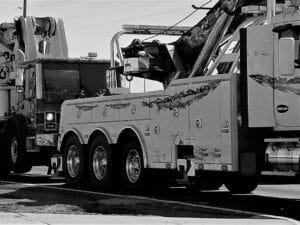
- The size and weight of your vehicle also play a role. Smaller cars are easier to tow than large trucks or SUVs. Heavy duty towing requires more powerful equipment and higher fuel use, which often results in prices that are 10 to 30 percent higher than standard sedan rates.
- The condition of the vehicle matters as well. A car parked safely on the shoulder requires a standard tow. Vehicles stuck in ditches, mud, or accident scenes require recovery services. This involves additional labor and equipment and usually comes with a separate winching fee ranging from 50 to 250 dollars per hour.
- Your location and the surrounding terrain can influence pricing. Urban areas often have more towing options and competitive rates. Rural or remote locations may include charges for the distance the tow truck travels to reach you. Difficult terrain such as unpaved roads or mountainous areas can also trigger extra surcharges.
- The destination of the tow can introduce additional costs. Dropping a vehicle at a private residence is straightforward. Deliveries to impound lots or repair shops with limited access may result in wait time charges or special entry fees.
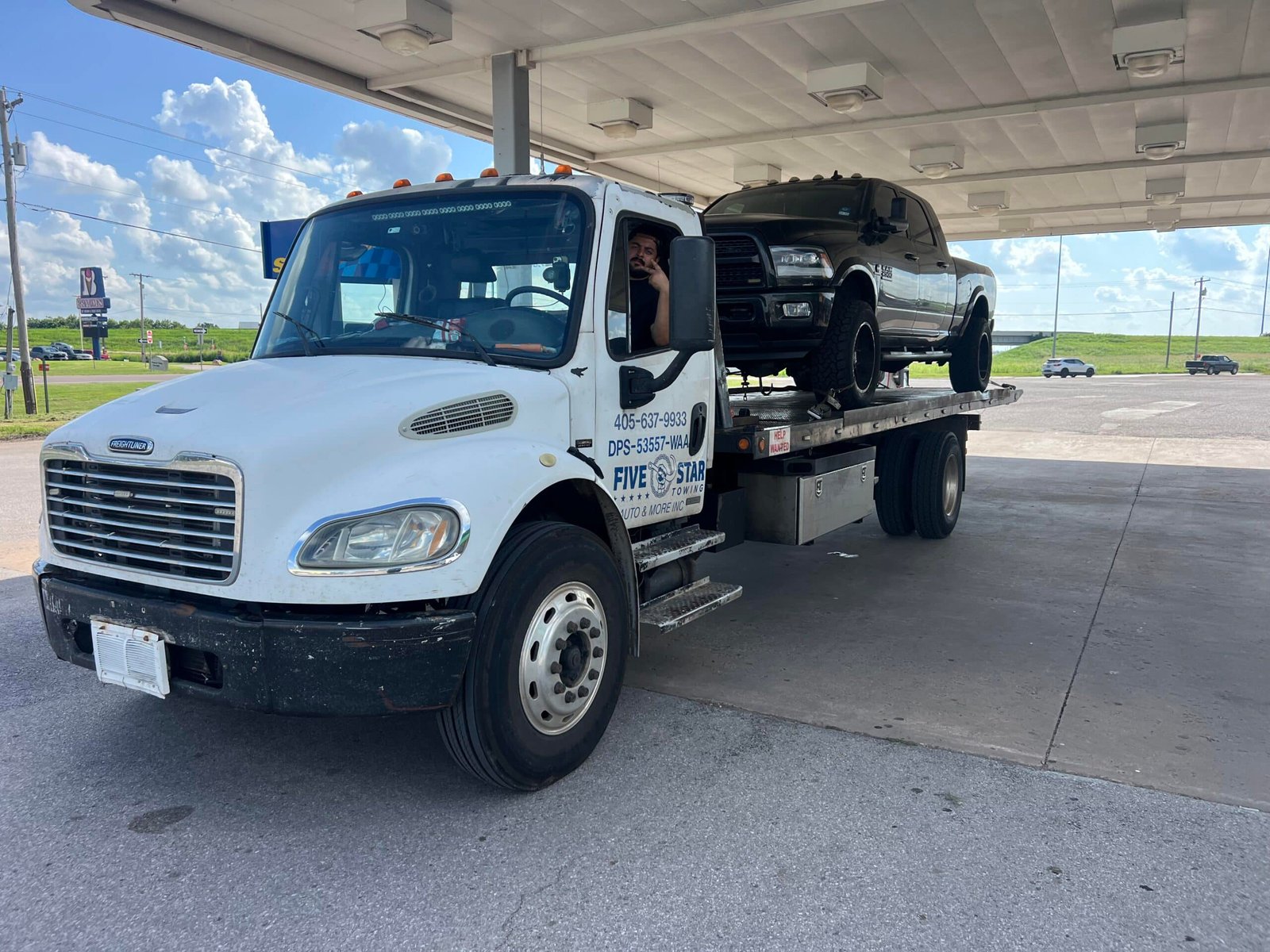
- The type of towing equipment used affects the final price. Wheel lift towing is usually the cheaper option but can cause extra wear over long distances. Flatbed towing provides better protection for the vehicle and is recommended for long trips, though it typically adds 25 to 75 dollars to the base rate.
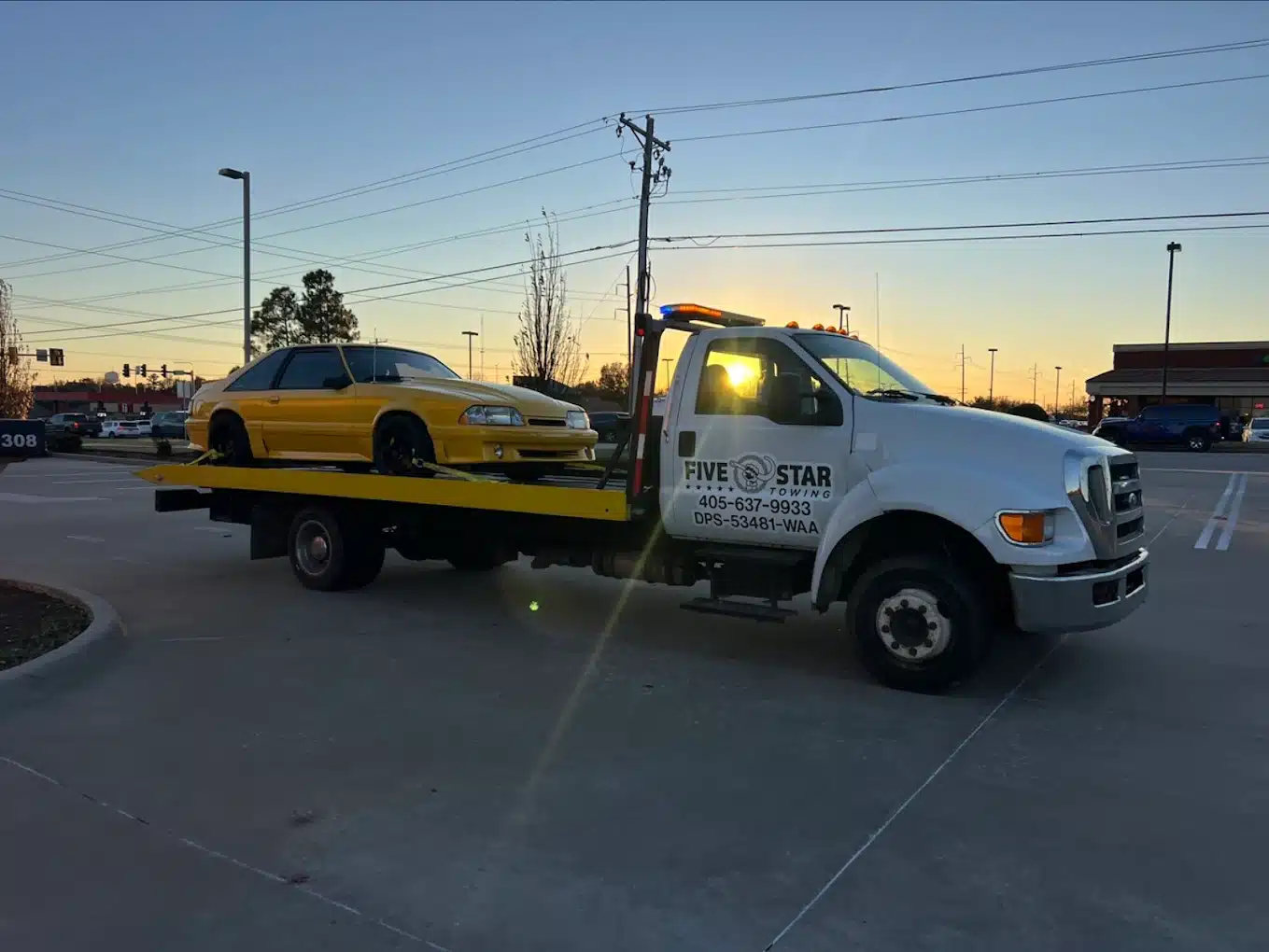
Vehicles That Must Be Towed on a Flatbed
For some vehicles, using a wheel-lift isn’t just a bad idea, it’s a recipe for catastrophic mechanical damage. If you drive one of the following, you must insist on a flatbed tow, no exceptions:
- All Subaru models and other vehicles with full-time all-wheel drive (AWD).
- Audi Quattro models.
- Most Electric Vehicles (EVs), like Teslas, due to their motor design.
- Vehicles with very low ground clearance or custom body kits that could be damaged.
- Any car with known transmission or differential problems.
The Smartest Ways to Save Money on a Long-Distance Tow
Paying for a 100-mile tow entirely out-of-pocket is the most financially painful way to handle the situation. A little proactive planning can turn a major expense into a minor inconvenience.
Use a Roadside Assistance Program
This is your number one defense. Membership plans from organizations like AAA, Better World Club, or Good Sam Roadside Assistance are designed specifically for these nightmare scenarios.
Let’s look at the math. According to AAA’s own comparisons, the AAA Plus plan costs about $90-$125 a year and completely covers tows up to 100 miles. The next tier up, AAA Premier, even covers one tow up to 200 miles each year. When you consider that a single long-distance tow without a membership can cost more than three years of dues, the value is undeniable. If you travel often, this investment pays for itself the very first time you use it.
Other ways to soften the financial blow include:
- Start by reviewing your car insurance policy. Many insurers offer roadside assistance as an affordable add on that drivers often overlook. Checking your declaration page can confirm whether this coverage is included. Keep in mind that insurance based towing usually covers fewer miles than a dedicated roadside assistance service.
- Make use of any credit card benefits you may have. Some premium credit cards include roadside assistance at no extra cost. These benefits are often limited to a fixed dollar amount per incident, but they can still cover part or all of the initial towing fee.
- If you need to pay out of pocket, take time to compare prices. Calling at least three local towing companies can help you avoid overpaying. Ask clear questions about the hook up fee, the per mile rate, and whether the quote includes flatbed service.
When you need reliable service in the Oklahoma City area without the guesswork, Five Star Towing OKC offers transparent pricing and professional, compassionate care for your vehicle. We’ll handle the hard part so you can focus on getting back to your life.
Frequently Asked Questions
For long-distance hauls, you can generally expect to pay between $2.00 and $7.00 per mile. The exact rate really depends on the size of your vehicle and the type of truck needed.
A standard sedan being pulled by a wheel-lift truck will be on the cheaper end, while a heavy-duty pickup needing a flatbed will push you toward the higher end of that range. As J.D. Power emphasizes, getting an accurate per-mile estimate is the key to calculating your total cost before the truck even shows up.
At first glance, renting a U-Haul tow dolly or auto transport trailer might seem cheaper than hiring a professional tow for 100 miles. But this DIY approach comes with some major catches.
You need a vehicle powerful enough to do the towing and the skill to safely load your car and maneuver a long trailer. Research from Move.org shows that while you save on labor, the risk of causing damage to your car's drivetrain from improper loading can lead to repair bills that far outweigh any initial savings.
Yes, it can, but it all depends on which membership level you have. The standard AAA Basic plan is meant for short distances and usually only covers 3 to 5 miles. To get coverage for up to 100 miles, you need to be an AAA Plus member. According to AAA's own plan comparisons, the highest tier, Premier, even extends that range to include one 200-mile tow per household each year.
In the towing world, any tow that goes over 50 miles is generally classified as "long-distance." Shorter tows are often priced with a higher base fee to make the trip worthwhile, while long-distance jobs shift the financial weight to the per-mile rate.
As Forbes Advisor points out, understanding this distinction can sometimes help you negotiate a better flat-rate deal for those longer trips.
The formula is fairly simple. Towing costs are calculated by adding the base hook up fee to the charge for each mile traveled. The hook-up fee covers the initial dispatch and the labor of getting your vehicle secured, while the mileage charge covers the fuel and time for the actual journey.
For instance, a $100 base fee plus $4 per mile for a 50-mile trip would come out to a $300 total. Any extra charges for things like winching or after-hours service get added on top of that.
For long-distance tows, you can often negotiate the price, especially if you're paying cash. To secure a good job, a dispatcher might be willing to offer you a flat rate for a 100-mile trip that's a bit lower than the strict per-mile calculation.
It never hurts to mention that you're getting quotes from competitors. Just know that during emergencies like a snowstorm, when demand is high, prices are likely to be firm.
A flatbed tow truck carries your entire vehicle on its back, so no wheels are touching the road. A wheel-lift truck just lifts the front or rear tires off the ground and drags the vehicle along.
For long distances or for any all-wheel drive (AWD) or 4x4 vehicle, flatbed towing is much safer and prevents potential damage to the transmission. While a wheel-lift is cheaper, the peace of mind a flatbed provides on a long trip is usually worth the extra cost.
Most companies would prefer you to be there to hand over the keys and sign off on a liability release form. However, if you're in a bind, many operators can tow the car without you present, as long as you can leave the keys in a secure, pre-arranged spot and pay over the phone.
You absolutely must confirm this arrangement with the dispatcher first to avoid a situation where the driver arrives and leaves because you're not there, a costly scenario they call a "GOA" (Gone On Arrival).
A 50-mile tow will typically set you back between $175 and $450. That price includes the standard hook-up fee (around $75-$125) plus the per-mile rate.
Since 50 miles is right on the line between a short and long-distance tow, some companies might be willing to offer you a flat-rate package that could be more affordable than their usual per-mile breakdown.
Your car insurance will only cover towing if you've specifically chosen "towing and labor" or "roadside assistance" as an optional add-on to your policy. Your standard liability or collision coverage won't include it.
The best way to know for sure is to check your policy's declarations page. Keep in mind that insurance-based towing often has much lower mileage caps (like 15 miles) compared to what you get from a third-party club like AAA.
The hook-up fee is the non-negotiable, upfront charge for getting the tow truck to your location and securing your vehicle. It's what covers the driver's initial time and effort, the use of their equipment, and the company's liability insurance.
This fee typically ranges from $75 to $125, and you'll have to pay it whether your car is being towed one block or 100 miles.
Towing a car across state lines gets expensive quickly due to different regulations and the cost of the driver's return trip. Prices can jump to over $4 to $7 per mile because the driver often has to drive all the way back with an empty truck (a "deadhead" trip).
For these kinds of long-distance, interstate moves, it's almost always more cost-effective to use a dedicated car shipping service or an auto transport carrier instead of a standard tow truck.
Yes, you should expect to pay extra for towing an EV. First, they absolutely must be towed on a flatbed because you can't tow an EV with its wheels on the ground without damaging the electric motors.
Second, the massive battery packs make EVs much heavier than their gasoline counterparts, which can push the job into a more expensive weight class and increase the base price.