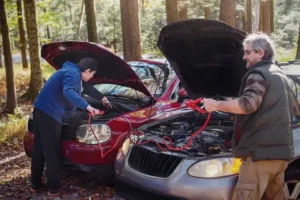


Your car breaks down on a busy highway during rush hour. You call for help, and the dispatcher cheerfully promises someone will arrive “within 30 to 45 minutes.” Two hours later, you’re still waiting. This scenario plays out thousands of times daily across America, creating a massive gap between what roadside assistance companies promise and what they actually deliver.
Key Notes
- Standard roadside assistance takes 30-45 minutes under perfect conditions, but real-world waits typically stretch to 60-90 minutes
- Where you break down dramatically affects response times, with rural areas experiencing waits 50-100% longer than cities
- Weather conditions can triple normal wait times, while emergency situations receive priority dispatch
- On-demand apps often provide faster service than traditional motor clubs, with some achieving 15-30 minute response times
- Using mobile apps instead of phone calls reduces wait time by providing accurate GPS coordinates
- Extreme conditions like holidays and severe weather can extend waits to 2-4 hours or longer
- Safety protocols require immediate vehicle exit in hazardous locations and clear communication with dispatchers
Industry Standard versus Reality for Roadside Assistance Response Times
The roadside assistance industry markets 30 to 45 minutes as their standard response time. This promise sounds great until you’re actually stuck on the side of the road. Real-world conditions; traffic jams, overwhelming call volumes, and dispatch delays routinely push actual arrival times to 60 to 90 minutes.
Here is a detail companies don’t advertise; they start their timer after dispatch confirmation, not from your initial call. This matters because the dispatch process itself can eat up 10 to 20 minutes, especially when everyone else is calling too. Your total wait time includes call processing, driver assignment, and travel time to wherever you are.
Urban areas on clear-weather weekdays might actually deliver on that 45-minute promise. But let’s be honest, most of us face significantly longer waits. Traffic affects tow trucks just like it affects you. They don’t have emergency vehicle privileges, so they’re crawling through the same congestion that left you stranded in the first place.
Weather makes everything worse. Severe weather events can increase wait times by 300% or more as demand explodes while available trucks shrink. Snow, ice, and flooding don’t just slow down response vehicles, they create massive call volume surges that completely overwhelm dispatch systems.
Critical Factors That Determine How Fast Help Arrives
Where you break down dominates everything about response times. Urban centers typically keep response times under 45 minutes because there are more tow trucks around and they don’t have to travel as far. Rural locations routinely hit 90 minutes to 2 hours because fewer service providers cover huge areas.
Rural wait times frequently stretch 50% to 100% longer than urban ones. A breakdown 30 miles outside Oklahoma City might require a truck to drive all the way from the city center, help you out, and drive back, tripling the total time compared to a city call.
Equipment Requirements and Seasonal Patterns
What’s wrong with your car determines which equipment shows up. Standard battery jumps or tire changes use light-duty trucks that respond fastest. Accidents requiring flatbed tows or heavy-duty recovery need specialized equipment that’s harder to find. Wrong equipment means starting over with a new dispatch.
Battery-related calls spike dramatically during seasonal extremes. The first cold snap of winter and peak summer heat create predictable demand surges. Air conditioning failures in 100-degree heat and dead batteries in sub-freezing temperatures overwhelm systems during these periods.
Traffic conditions impact tow trucks exactly like regular commuters. They sit in the same traffic jams without special lane privileges, making rush-hour calls particularly frustrating when you’re stranded.
Understanding Dispatcher Triage Systems
Dispatchers operate safety triage systems that prioritize calls based on immediate danger. Vehicles stranded in live traffic lanes receive faster assistance than cars safely parked in driveways or parking lots. Your safety situation directly affects where you are in the queue.
Clear communication about danger level proves essential for priority placement. Dispatchers need specific details about where you are, how fast traffic is moving, and what safety threats exist to properly categorize your call. A broken-down vehicle on a 70-mph interstate shoulder gets different treatment than one sitting in a shopping center parking lot.
During severe weather events or major holidays, wait times surge to 2 to 4 hours or longer as demand overwhelms available resources. Dispatchers maintain priority systems, but even emergency calls face delays when every single truck is already out on a call. These extreme conditions test the limits of any roadside assistance network.
You’ve got to communicate danger clearly to receive appropriate priority. Vague descriptions like “broken down on the road” don’t convey urgency compared to “stopped in the right lane of Interstate 35 with traffic approaching at highway speeds.”
Comparing Service Providers
AAA rescues over 30 million drivers annually, operating the largest roadside network but also handling the highest call volumes. This creates an interesting paradox: they have extensive coverage but potentially longer waits during peak periods.
Insurance add-ons from Geico, Allstate, and Progressive often contract with the same third-party towing networks that serve motor clubs. Multiple service customers might be waiting for the same driver, creating no real advantage despite different billing sources.
On-demand apps like Honk and Urgent.ly employ Uber-style models that sometimes achieve sub-30-minute response times. These services use independent contractors and real-time dispatch systems that optimize routing efficiency. Independent apps claim response times as fast as 15-30 minutes in major metropolitan areas.
Credit card perks from Visa or American Express typically rely on third-party aggregators like Agero, potentially creating slower dispatch times due to additional coordination layers. Most providers contract with local towing companies rather than owning fleets, meaning service quality varies by location regardless of who you’re paying.

Safety Protocols and What to Do While Waiting for Help
Exit your vehicle from the non-traffic side immediately if you’re stranded in a hazardous location. Stand safely away from the roadway, preferably behind a barrier or guardrail. High-speed traffic creates deadly situations for both you and responding tow operators.
Stay inside with seatbelts fastened if you’re positioned in a breakdown lane, unless traffic speeds create extreme danger. Interior safety beats roadside exposure in most scenarios. Turn on hazard lights immediately and activate interior dome lights after dark to increase visibility.
Preserve battery power by minimizing radio, air conditioning, and accessory use when the engine won’t run. Tow drivers call 5-10 minutes before arrival to confirm your exact location, so your phone needs to work. Dead phone batteries complicate the final connection process.
Gather personal belongings before the truck arrives to speed things up. Tow operators work efficiently and prefer minimal delays. Having your stuff ready demonstrates preparation and shows consideration for their time.
Proven Strategies to Reduce Your Wait Time
Use your provider’s mobile app rather than calling to dispatch requests. Apps utilize GPS coordinates automatically, eliminating 10-20 minutes of location clarification that phone calls require. Accurate positioning prevents drivers from searching wrong areas or completely missing your location.
Prepare essential information before making contact; make, model, year, color, and specific problem description. Wrong details cause re-dispatch situations that reset your wait time to zero. Tow trucks driving past because you gave them the wrong vehicle description wastes everyone’s time and doubles your total delay.
Provide specific location details including parking garage clearance restrictions, gated community access codes, or landmark references. Vague addresses force drivers to guess or call back for clarification. GPS coordinates via app can reduce dispatch processing by 5 to 10 minutes compared to traditional address-based systems.
When Delays Become Extreme
Severe weather events like snowstorms and flooding create massive demand spikes that overwhelm normal capacity. Every provider faces the same challenge, increased need for service combined with dangerous operating conditions that slow response vehicles.
Major holidays generate system-wide delays due to increased travel volume and reduced operator availability. Thanksgiving weekend, Christmas, and Memorial Day create predictable strain periods where wait times stretch significantly beyond normal ranges.
Extreme weather conditions can push wait times to 2 to 4 hours or longer as battery failures spike during temperature extremes. Cold weather kills batteries while hot weather stresses electrical systems, creating call volume surges precisely when driving conditions make response most difficult.
Hazardous driving conditions compound delays by forcing tow operators to reduce speeds and exercise extra caution. Ice, snow, and flooding don’t just slow response times, they create safety risks that responsible operators can’t ignore, even under pressure to reach stranded customers quickly.
Technology and Communication Tools That Improve Response Times
Real-time GPS tracking reduces perceived wait times even when actual response times stay the same. Knowing where your driver is and when they’ll arrive provides psychological comfort during stressful situations. The uncertainty actually amplifies anxiety more than the actual delays do.
Mobile apps deliver superior location accuracy compared to phone-based dispatch systems. Automated GPS coordinates eliminate human error in address communication while providing dispatchers with precise positioning data. Direct communication channels between drivers and customers prevent missed connections that require starting over.
Modern dispatch systems optimize route efficiency by considering current traffic conditions, driver locations, and call priorities simultaneously. App-based services frequently provide estimated arrival times, driver contact information, and real-time location updates that traditional phone systems simply can’t match.
Advanced dispatch technology balances multiple variables to minimize overall response times across all customers, though individual experiences may vary based on specific circumstances and timing.
Frequently Asked Questions
AAA typically promises 30-45 minute response times under optimal conditions, but real-world waits commonly stretch to 60-90 minutes. The organization handles over 30 million calls annually, creating high volume periods that strain their extensive network.
Peak times like holiday weekends and severe weather events can push AAA wait times to 2 hours or longer as demand overwhelms available trucks.
AAA's vast network includes thousands of contracted towing companies rather than company-owned vehicles, meaning service quality and speed vary significantly depending on where you are and when you call.
Urban areas generally see faster response than rural regions where trucks may need to travel 30-60 minutes just to reach your location. During winter storms or summer heat waves, AAA experiences massive call spikes that test their capacity limits.
Your membership level doesn't significantly affect how fast they get to you since AAA uses the same contractor network for all service tiers.
Priority goes to safety situations rather than membership status, with vehicles in traffic lanes receiving faster assistance than those safely parked off-road.
Bad weather can increase roadside assistance wait times by 300% or more compared to clear conditions, transforming typical 45-minute waits into 2-4 hour ordeals. Severe weather creates a perfect storm of increased demand and reduced capacity as battery failures spike while tow trucks operate at slower speeds for safety.
Winter's first cold snap and summer's peak heat generate predictable demand surges that overwhelm dispatch systems. Snow and ice force tow operators to reduce speeds dramatically while flooding can make certain areas completely inaccessible until conditions improve. These operational constraints combine with massive call volume increases to create system-wide delays.
Weather-related delays affect all providers equally since everyone relies on the same pool of local towing contractors who must navigate identical hazardous conditions. The safest strategy during severe weather involves avoiding unnecessary travel and making sure your vehicle's battery and emergency kit are properly maintained before storm systems arrive.
Rural areas typically experience roadside assistance wait times that are 50-100% longer than urban equivalents, often exceeding 90 minutes to 2 hours for response.
Fewer towing companies serve vast rural territories, meaning trucks must travel significant distances to reach stranded motorists and return to service areas.
Geographic challenges in rural regions extend beyond simple distance calculations. Limited infrastructure, spotty cell coverage, and difficult-to-locate addresses complicate dispatch processes while seasonal conditions like muddy farm roads or snow-blocked rural routes can make access challenging or impossible for standard tow trucks.
Rural wait times become particularly problematic during peak periods when urban demand pulls available trucks into cities where call density generates higher revenue per hour.
This economic reality means rural customers often wait while trucks handle multiple urban calls before traveling to countryside locations, effectively creating a geographic penalty for rural breakdowns.
On-demand apps like Honk and Urgent.ly typically provide the fastest response times, often achieving 15-30 minutes in major metropolitan areas through Uber-style dispatch optimization. These services use independent contractors and real-time routing that can outperform traditional providers during non-peak periods.
Insurance company roadside programs from Geico, Allstate, and Progressive often contract with the same third-party networks that serve motor clubs like AAA, creating similar response times despite different billing sources. The key difference lies in call volume management rather than network capability, with some insurance providers maintaining lower call volumes that can translate to faster service.
Motor clubs handle the highest call volumes but maintain the most extensive contractor networks, creating a balance that typically delivers consistent if not exceptional service. Credit card roadside benefits usually rank slowest due to additional coordination layers through aggregators like Agero that add processing time before dispatch even occurs.
Using your provider's mobile app instead of calling can reduce wait times by 10-20 minutes through automatic GPS coordinate sharing that eliminates location clarification delays. Apps provide dispatchers with precise positioning while phone calls often require multiple attempts to establish exactly where you are, especially on highways or in unfamiliar areas.
Prepare complete vehicle information before making contact including make, model, year, color, and specific problem description to prevent re-dispatch situations that reset your wait time to zero. Wrong information causes tow trucks to drive right past your location or arrive with inappropriate equipment, forcing the entire process to restart with accurate details.
Provide specific location details including parking garage clearance restrictions, gated community access codes, or landmark references that help drivers locate you quickly. Clear communication about safety situations can also secure priority dispatch placement when you're in immediate danger versus safely parked off-road.
Where you break down dominates response time calculations, with urban areas typically maintaining sub-45-minute response while rural locations routinely exceed 90 minutes due to longer travel distances and fewer available trucks. Population density directly correlates with tow truck availability and how close they are to service calls.
Weather conditions create the most dramatic impact on response times, potentially tripling normal waits during severe events like snowstorms or flooding that spike demand while reducing operational capacity. Traffic conditions affect tow trucks exactly like regular vehicles since they lack emergency lane privileges, making rush-hour calls particularly challenging.
Equipment requirements significantly influence dispatch speed as standard battery jumps use readily available light-duty trucks while accident recovery requiring flatbed or heavy-duty equipment depends on specialized vehicles with limited availability. Call volume timing also matters since peak periods like holidays or extreme weather can overwhelm even the most extensive networks.
Emergency situations involving immediate safety threats receive priority dispatch through safety triage systems that place vehicles in live traffic lanes ahead of cars safely parked off-road. Dispatchers evaluate danger levels based on location descriptions, traffic speeds, and environmental conditions to determine where you go in the queue.
Clear communication about your safety situation proves essential for priority placement since dispatchers can't assess danger without specific details about traffic proximity, weather conditions, and location hazards. Vague descriptions like "broken down on the road" don't convey urgency compared to detailed explanations of high-speed traffic threats.
Even priority emergency calls face delays during extreme conditions when every available truck is committed to active calls. Severe weather events and major holidays can push emergency response times to 1-2 hours despite priority status as system-wide demand overwhelms capacity regardless of triage protocols.
Holiday periods create system-wide delays as increased travel volume combines with reduced operator availability, often doubling or tripling normal response times. Thanksgiving weekend, Christmas, Memorial Day, and Fourth of July generate predictable strain periods where 45-minute promises become 2-3 hour realities.
Peak travel times don't just increase call volume, they create traffic conditions that slow tow trucks to crawling speeds during rush hours and holiday traffic jams. Popular travel routes become bottlenecks where response vehicles face the same congestion that affects regular motorists, compounding delay factors.
Holiday staffing reductions at dispatch centers and towing companies further complicate response times as skeleton crews handle peak demand periods. Many operators take holiday time off, creating capacity constraints precisely when travel volume peaks and breakdown incidents surge from increased mileage and unfamiliar routes.
On-demand towing apps often achieve faster response times than traditional services through Uber-style optimization that uses independent contractors and real-time dispatch algorithms. Apps like Honk and Urgent.ly claim 15-30 minute response in major metros by eliminating traditional dispatch layers and optimizing driver routing.
Traditional motor clubs and insurance programs typically contract with the same local towing companies that serve app-based platforms, meaning network coverage remains similar while dispatch efficiency differs significantly. Apps provide real-time GPS tracking and direct driver communication that traditional phone-based systems simply can't match for customer experience.
Cost structures favor apps during standard calls but traditional services often provide better coverage for complex situations like long-distance towing or specialized equipment needs. App-based services excel at simple roadside assistance while established providers maintain broader capabilities for comprehensive automotive emergencies.
What should I do while waiting for roadside assistance to arrive?
Exit your vehicle from the non-traffic side immediately if you're stranded in a hazardous location and position yourself safely away from roadways, preferably behind barriers or guardrails. High-speed traffic creates deadly risks for stranded motorists, with many fatalities occurring from secondary accidents rather than initial breakdowns.
Stay inside with seatbelts fastened if you're positioned in a breakdown lane unless traffic speeds create extreme danger, as interior safety typically beats roadside exposure. Turn on hazard lights immediately and activate interior dome lights after dark while preserving battery power by minimizing accessory use since tow drivers call 5-10 minutes before arrival.
Gather personal belongings before the truck arrives and prepare to provide vehicle keys, registration, and insurance information to speed up the departure process. Tow operators work efficiently and appreciate customers who demonstrate preparation and consideration for time constraints during service calls.
Multiple factors can extend single calls to several hours, with equipment mismatches creating the most common delays when initial dispatch sends inappropriate vehicles that must return for correct equipment. Wrong truck types reset the entire process while customers continue waiting for properly equipped responses.
Extreme weather conditions and peak demand periods overwhelm available capacity, forcing even emergency calls into extended queues when every truck in the network is committed to active service calls. Holiday weekends and severe storms create perfect storms of maximum demand and minimum availability.
Geographic isolation in rural areas can add hours to response times when trucks must travel 60+ minutes each way while mechanical complications like stuck vehicles or damaged equipment can transform simple calls into extended recovery operations requiring additional resources and specialized equipment.
Initial time estimates from roadside providers typically reflect best-case scenarios under optimal conditions rather than realistic expectations that account for traffic, weather, and call volume variables. Companies often provide 30-45 minute estimates that become 60-90 minute realities once real-world factors come into play.
Dispatch systems calculate estimates based on direct travel time from available trucks to your location without accounting for traffic conditions, equipment preparation, or potential complications that commonly extend actual response times. These estimates start after dispatch confirmation rather than from when you first call.
Modern apps with real-time GPS tracking provide more accurate estimates by incorporating current traffic conditions and actual driver locations, though even these systems can't predict mechanical issues or access complications that extend service calls beyond initial projections.
Provide complete vehicle details including make, model, year, color, and license plate number to prevent tow trucks from driving right past your location due to incorrect identification. Wrong vehicle descriptions cause costly re-dispatch situations that double total wait times by resetting service requests.
Share precise location information including GPS coordinates, mile markers, landmark references, and any access restrictions like parking garage clearances or gated community codes. Vague addresses force drivers to search or call back for clarification while specific details enable direct routing to your exact position.
Describe your specific problem accurately including whether you need battery service, tire change, lockout assistance, or towing to help dispatch appropriate equipment on the first attempt. Equipment mismatches require starting over with correctly equipped vehicles, significantly extending total service time.
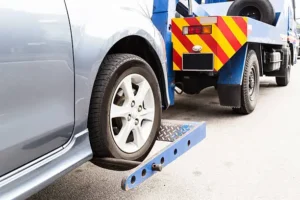
Flatbed tows typically require longer response times than standard roadside assistance because fewer specialized flatbed trucks are available compared to light-duty service vehicles that handle battery jumps and tire changes. Flatbed equipment serves specific purposes like accident recovery or all-wheel-drive vehicles that can't be wheel-lifted.
Dispatching flatbed service requires matching your location with available specialized equipment rather than simply sending the closest truck, potentially adding 30-60 minutes to response times in areas with limited flatbed coverage. Urban areas maintain better flatbed availability while rural regions may require trucks to travel significant distances.
Flatbed loading processes also take longer than simple roadside fixes, with operators needing additional time to properly secure vehicles and ensure safe transport. While initial response might be slower, flatbed service often provides safer vehicle transport for damaged cars compared to wheel-lift alternatives.
Traffic affects tow trucks exactly like regular vehicles since they don't possess emergency lane privileges, forcing operators to navigate rush-hour congestion at normal speeds while stranded customers continue waiting. Highway gridlock can double or triple response times during peak commuting periods.
Urban traffic patterns create predictable delay windows during morning and evening rush hours when response times routinely exceed promised estimates due to systemic congestion that affects all roadway users. Weekend traffic around sporting events, concerts, or holiday travel creates similar bottleneck effects.
Accident-related traffic backups compound delays exponentially as tow trucks approach incident scenes through the same congestion that emergency responders navigate, while secondary accidents from initial incidents can create cascading delays that affect multiple service calls simultaneously across entire metropolitan areas.