
Your car breaks down on I-35 during rush hour. You’re stuck in the right lane with semis thundering past at 70 mph. Your hands shake as you dial for help, and the first question that hits you isn’t about cost – it’s about time. How long until someone gets here?
Key Takeaways
- Standard tow truck arrival times range from 30-60 minutes under normal conditions
- Weather and peak hours can extend wait times to 2-4 hours or more
- Calling local companies directly is 10-20 minutes faster than insurance roadside services
- Vehicle type affects response time – flatbeds take longer to find than standard wheel-lift trucks
- The complete towing process from call to drop-off typically takes 1.5-2 hours
- Digital dispatching apps can cut traditional wait times in half
- Emergency tows blocking traffic receive priority service in 15-20 minutes
Industry Standard Timeline Expectations
Most insurance carriers target a 45-60 minute window as an acceptable service level agreement for tow truck arrivals. This industry standard represents what you can realistically expect under typical circumstances.
Urban areas with high concentrations of towing providers typically deliver faster service. The average response time in cities like Oklahoma City, Dallas, or Atlanta hovers around 45 minutes. Dense provider networks mean shorter travel distances between calls.
Rural and remote locations tell a different story entirely. Wait times frequently stretch to 60-90 minutes or longer due to increased travel distances. A single tow truck might cover 150 square miles in rural Oklahoma, compared to 15 square miles in downtown areas.
Priority situations receive expedited treatment. Police-ordered tows for vehicles blocking traffic usually happen within 15-20 minutes. These emergency dispatches take precedence over standard consumer roadside assistance calls because they present immediate safety hazards and traffic disruptions.
Peak Demand Creates Significant Delays
Rush hour transforms normal 45-minute waits into multi-hour ordeals. Heavy traffic between 7:00 AM and 9:00 AM, then again from 4:00 PM to 7:00 PM, prevents tow trucks from moving efficiently through congested areas. A 20-minute drive under normal conditions can balloon to an hour during peak traffic.
Late-night hours present a different challenge. Between 11:00 PM and 5:00 AM, fewer drivers work shifts, which means the available crews cover much larger territories. You might wait longer simply because the nearest available truck is 45 miles away instead of 15.
Weather Impact on Availability
Rain, snow, and ice represent the single biggest factor in multi-hour delays. Accident frequencies can jump by 20% to 50% during winter storms according to Federal Highway Administration data, creating massive backlogs of service calls. When every available truck is tied up handling weather-related accidents, routine breakdowns get pushed back hours.
Bad weather doesn’t just increase demand – it reduces supply. Tow truck operators face the same hazardous conditions that caused your breakdown. They drive slower, work more carefully, and some companies temporarily suspend operations during severe weather events.
Standard versus Specialized Equipment Requirements
Your vehicle type directly impacts how quickly help arrives. A standard wheel-lift tow truck can handle most front-wheel-drive cars and represents the most common equipment type. These trucks are easier to source because most fleets maintain multiple wheel-lift units.
All-wheel-drive vehicles, luxury cars, and motorcycles often require flatbed service. Flatbeds are less common in most fleets, which extends your wait time while dispatchers locate available specialized equipment. Loading a car onto a flatbed also takes longer – roughly 20-30 minutes compared to 10-15 minutes for a standard wheel-lift hookup.
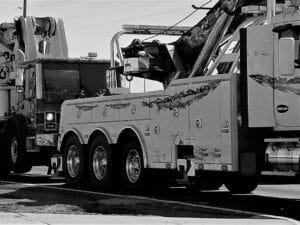
Heavy-duty situations involving RVs, commercial trucks, or vehicles in ditches may require rotator trucks or heavy wreckers. These specialized units are rare and expensive to operate. You might wait several hours while a company brings in equipment from distant locations.
Provider availability creates another variable. A local company might operate 10 trucks, but if nine are on active calls and one is undergoing maintenance, their effective availability drops to zero until a truck becomes free.

Calling Local Companies Directly
Calling a local towing company directly cuts out administrative delays. The dispatcher knows exactly where their drivers are located, their current job status, and estimated completion times. This real-time information allows for accurate ETAs and efficient routing.
Direct dispatch follows a simple path, your call goes straight to dispatch, who immediately assigns the nearest available driver. No bureaucracy, no verification delays, no network searches.
Insurance Roadside Assistance Process Adds Delays
Roadside assistance through AAA, Geico, Allstate, and similar services involves multiple administrative steps that add 10-20 minutes before a truck even starts moving. Consumer reports and forums cite AAA wait times ranging from 45 minutes to 4 hours depending on region and membership tier.
The extended process works like this, your call reaches a call center, representatives verify your coverage and location, the request gets broadcast to their contractor network, a local company accepts the job, and finally dispatch occurs. Each step burns precious time while you’re stranded.
Insurance companies negotiate contracted rates with towing providers, but these relationships don’t always guarantee priority service. During peak demand periods, local companies may prioritize their direct-pay customers over insurance contracts.
Breaking Down Each Phase of Service
The complete towing experience involves multiple phases that extend well beyond the truck’s arrival time. Understanding these phases helps set realistic expectations for the entire ordeal.
The initial call typically takes 5-10 minutes while you explain your location, vehicle make and model, and describe the problem. GPS coordinates help, but dispatchers often need landmarks, nearby exit numbers, or business names to guide drivers effectively.
Dispatch time varies dramatically based on your service provider. Direct companies can assign drivers within 2-5 minutes. Insurance roadside services may take 10-15 minutes to complete their verification and network search process.
Drive time represents the largest variable, ranging from 20-45 minutes depending on distance and traffic conditions. Urban areas benefit from shorter distances but suffer from traffic congestion. Rural areas face longer distances but clearer roads.
The actual hookup process takes 15-30 minutes once the driver arrives. Professionals need time to position their truck safely, lower equipment, secure chains or straps, and verify everything is properly connected before moving your vehicle.
Total engagement time from your initial call to final drop-off typically runs 1.5 to 2 hours. This timeline assumes normal conditions without weather delays, peak traffic, or equipment complications.
Digital Dispatching versus Traditional Call Centers
HONK Technologies reports that digital dispatching can reduce wait times by 50% compared to traditional call centers. Modern apps leverage GPS data, real-time traffic information, and algorithmic routing to identify the fastest response options.
Digital platforms provide live tracking updates, while phone dispatchers often provide estimates based on distance calculations that ignore current job completion times. You can watch your assigned truck’s progress instead of wondering whether the “30-minute ETA” remains accurate.
Real-time updates improve accuracy significantly. Traditional dispatch estimates often prove wildly inaccurate because they can’t account for complications at the driver’s current location. Digital systems adjust ETAs automatically as conditions change.
Essential Safety Protocols During the Wait
Your location determines your safety strategy while waiting. If you’re stopped on a highway shoulder, stay inside your vehicle with seatbelts fastened. The Move Over law requires other drivers to change lanes, but compliance isn’t universal. Your car provides crucial protection from passing traffic.
Safe parking lots offer more flexibility. You can exit your vehicle, but stay nearby and remain visible to the approaching tow truck driver. Many drivers will call for specific location details or landmarks to locate you quickly.
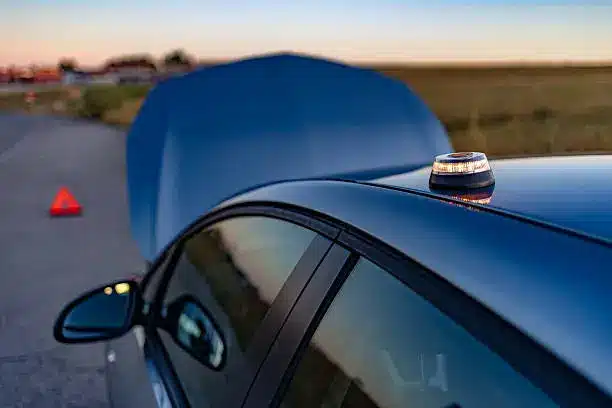
Visibility becomes critical, especially at night. Turn on hazard lights immediately after stopping. During nighttime breakdowns, activate interior dome lights so other drivers can see your vehicle’s silhouette. According to the CDC, motor vehicle towing involves high risks, and staying inside your vehicle when safely off the road reduces the risk of being struck by passing traffic.
Pre-Arrival Preparation
Have your key or fob ready before the driver arrives. If your situation involves a flat tire and you use wheel locks, locate that special key as well. These small preparations can save 10-15 minutes during the hookup process.
Keep your phone line available for incoming calls. Drivers frequently need additional location details, especially in areas with poor signage or confusing layouts. Being available for these clarification calls prevents unnecessary delays.
Emergency versus Non-Emergency Classifications
Police-ordered tows for vehicles blocking traffic receive priority dispatch, typically arriving within 15-20 minutes. These situations present immediate safety hazards and traffic disruptions that require rapid response.
Safety-critical situations on highways also get expedited service. Vehicles stopped in travel lanes, blocking emergency vehicle access, or creating visibility hazards take precedence over routine breakdowns in safe locations.
Non-emergency breakdowns in parking lots, side streets, or other secure areas receive standard scheduling priority. While frustrating, this classification system ensures that the most dangerous situations get addressed first, potentially preventing secondary accidents and saving lives.
Frequently Asked Questions
Tow trucks typically arrive within 30-60 minutes under normal conditions, with urban areas averaging closer to 45 minutes and rural locations extending to 60-90 minutes.
Most insurance carriers use a 45-60 minute window as their standard service level agreement, representing realistic expectations for routine breakdowns. However, this baseline can shift dramatically based on weather, traffic, and demand levels.
Several factors significantly impact response times, with weather being the primary culprit for extended delays. Rain, snow, and ice can increase accident frequencies by 20-50% according to Federal Highway Administration data, creating backlogs that push routine calls back hours.
Peak traffic periods during rush hours (7-9 AM and 4-7 PM) slow truck movement, while late-night hours reduce available drivers covering larger territories. Vehicle type also matters – standard cars using wheel-lift trucks arrive faster than all-wheel-drive vehicles requiring flatbed service.
Calling local towing companies directly is typically 10-20 minutes faster than using AAA or other insurance roadside services. Direct dispatch eliminates the administrative layers inherent in insurance programs, where calls must go through call centers, verification processes, and contractor networks before reaching actual drivers.
Consumer reports show AAA wait times ranging from 45 minutes to 4 hours depending on region and membership tier, while direct local calls often provide more accurate ETAs and priority scheduling for paying customers.
Bad weather can double or triple normal wait times, extending typical 45-minute responses to 2-4 hours or more. Winter storms create perfect storm conditions where accident rates spike dramatically while available trucks decrease due to hazardous driving conditions.
Some companies temporarily suspend operations during severe weather, further reducing supply when demand peaks. The Federal Highway Administration notes that accident frequencies can increase by 20-50% during winter storms, meaning every available truck handles weather-related emergencies before addressing routine breakdowns.
Night hours between 11 PM and 5 AM often involve longer wait times because fewer drivers work these shifts, requiring available crews to cover much larger service territories. While traffic congestion decreases after rush hour, the reduced driver availability can extend response times significantly.
However, some companies maintain 24-hour operations with dedicated night crews, particularly in urban areas where late-night demand remains consistent.
Emergency tows involving vehicles blocking traffic or creating safety hazards receive priority dispatch, typically arriving within 15-20 minutes. Police-ordered tows for traffic obstruction take precedence over all other calls because they present immediate dangers and traffic disruptions.
Non-emergency situations in safe locations like parking lots receive standard scheduling, following normal 30-60 minute timelines. This classification system ensures that the most dangerous situations get addressed first, potentially preventing secondary accidents.
The fastest approach involves calling local towing companies directly rather than using insurance roadside assistance, potentially saving 10-20 minutes in administrative processing time. Digital towing apps like those offered by HONK Technologies can reduce wait times by 50% compared to traditional call centers through real-time dispatching and GPS optimization.
Being precise about your location with landmarks and GPS coordinates helps drivers find you quickly, while having your keys and any special equipment ready speeds up the hookup process.
Flatbed trucks are less common in most fleets, making them harder to source and potentially extending wait times while dispatchers locate available specialized equipment. The actual loading process also takes longer – roughly 20-30 minutes for flatbed loading compared to 10-15 minutes for standard wheel-lift hookup.
All-wheel-drive vehicles, luxury cars, and motorcycles often require flatbed service, so factor in additional time both for finding the right equipment and completing the more complex loading procedure.
The hookup process typically takes 15-30 minutes after the driver arrives, depending on your vehicle type and situation complexity. Standard wheel-lift connections average 10-15 minutes, while flatbed loading extends to 20-30 minutes.
Drivers need time to position their truck safely, lower equipment, secure chains or straps, and verify proper connections. Unusual situations like vehicles in ditches, tight parking spaces, or damaged components can extend this timeline significantly.
Stay inside your vehicle with seatbelts fastened if you're on highway shoulders, as the CDC notes that motor vehicle towing involves high risks and remaining in your car reduces the chance of being struck by passing traffic. Turn on hazard lights immediately and activate interior dome lights during nighttime for visibility.
Keep your phone available for driver contact and have your keys ready before arrival. In safe parking lots, you can exit but remain visible and nearby for when the tow truck arrives.
Digital towing apps can reduce wait times by up to 50% compared to traditional call centers according to HONK Technologies data. These platforms use GPS data, real-time traffic information, and algorithmic routing to identify the fastest response options, while providing live tracking updates that traditional phone dispatch can't match.
The apps eliminate much of the back-and-forth communication needed to establish location and service requirements, streamlining the entire dispatch process.
Police-ordered tows for vehicles blocking traffic typically arrive within 15-20 minutes because they receive priority dispatch status. These emergency situations present immediate safety hazards and traffic disruptions that require rapid response to prevent secondary accidents.
Towing companies maintain special arrangements with law enforcement agencies to ensure quick response times for these high-priority calls, often interrupting other scheduled services to handle police requests.
During severe weather events or peak demand periods, wait times can extend to 4+ hours as accident rates spike and available trucks become overwhelmed with calls. Rural areas during winter storms represent worst-case scenarios where limited provider networks face maximum demand.
Some extreme situations during major storms have resulted in 6-8 hour waits, though most companies try to communicate realistic timelines when delays reach these levels.
Rural areas frequently experience 60-90 minute wait times compared to 45-minute urban averages due to increased travel distances and fewer available providers. A single tow truck might cover 150 square miles in rural regions versus 15 square miles in dense urban areas.
The additional drive time to reach rural breakdowns, combined with longer distances between calls, naturally extends response times even under ideal conditions.
Traditional phone dispatch estimates are often inaccurate because they're based on simple distance calculations that can't account for current job completion times or traffic conditions. Digital dispatching systems provide much more accurate ETAs by incorporating real-time data about driver locations, traffic patterns, and job status updates.
However, all estimates become less reliable during severe weather or peak demand periods when unexpected delays frequently occur.