
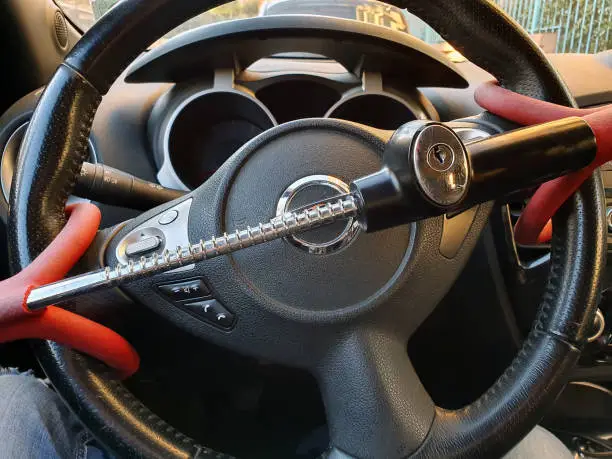
You jump into the driver’s seat, already running late. You stick the key in the ignition, but it won’t budge. You try to turn the wheel, and it feels like it’s hit a concrete wall. The whole column feels completely frozen.
A wave of panic washes over you. It’s easy to think your car just had a massive mechanical failure, but the truth is usually much simpler. More often than not, this is just a safety feature doing its job a little too well.
Key Points
- The 60 second fix usually works in most cases. You can unlock the steering wheel by gently turning the key in the ignition while slowly moving the steering wheel back and forth. This motion releases the tension on the locking mechanism.
- It is important to understand the role of a tow truck operator. Their job is to transport your vehicle, not to repair it. They will not take apart the steering column or attempt ignition repairs on the roadside.
- Knowing who to call can save you time and money. If the issue is physical, such as a damaged key or lock cylinder, a mobile locksmith is often the best solution and may eliminate the need for a tow. If the problem is electronic, such as a steering lock warning light, a mechanic will be required.
- Towing requirements change when the wheels are locked. In this situation, the vehicle must be moved using a flatbed truck or wheel dollies to prevent damage to the tires or transmission.
The Straight Answer on Whether a Tow Truck Can Fix a Locked Steering Wheel
A tow truck driver is there to provide transportation, not perform on-the-spot mechanical repairs. If you’re stranded in a parking lot in Oklahoma City, their main goal is to get your vehicle secured and safely moved to its destination. They don’t have the tools or training to take apart your steering column and fix the mechanical problem that’s causing the lock-up.
Their job is to get your car to a repair shop, a dealership, or back to your own driveway. While seasoned operators at Five Star Towing know a few tricks to help a driver release a standard steering lock, they can’t fix a broken ignition cylinder or a faulty electronic module. If the simple troubleshooting steps don’t work, your car needs to be professionally transported to a place that’s equipped to handle the real repair.
How to Unlock Your Steering Wheel in 60 Seconds
The most common solution involves taking the pressure off the steering lock’s internal pin. This trick works for the vast majority of situations where the lock has simply engaged as designed. Your steering wheel is connected to a locking mechanism that stops it from turning when the key is out.
If you park with the wheels turned sharply or accidentally bump the wheel as you’re getting out, the locking pin can get jammed tightly against its slot. To get the key to turn, you have to relieve that friction. Whatever you do, never use brute force. You could easily break the key off in the cylinder or do serious damage to the ignition assembly.
For Cars with a Traditional Key
Put your key into the ignition. You’ll probably notice that the steering wheel has a tiny bit of wiggle room in one direction but is solid as a rock in the other. Apply gentle, steady pressure to the key as if you were starting the car,don’t try to force it.
At the same time, wiggle the steering wheel back and forth. This “wiggling” motion is what frees up the tension on that little locking pin. As soon as the pressure is gone, you’ll feel the key turn smoothly and the wheel will unlock.
For Cars with a Push-to-Start Button
Modern cars with electronic key fobs work on a similar idea. First, make sure your key fob is inside the car with you. Press the brake pedal like you normally would to start it. Then, push the start/stop button once. While the car’s system is trying to engage, gently wiggle the steering wheel back and forth.
This movement helps the electronic solenoid pull back the locking bolt. If that bolt is under too much pressure, the small motor inside the column can’t retract it without a little bit of manual help from you.
What to Do If the Key or Lock is Stiff
Sometimes, the problem isn’t pressure but the mechanism itself. If the lock cylinder feels gritty or the key is hard to turn, try your spare key first. Your main key might be worn down over time, which can stop the tiny tumblers inside from lining up perfectly. If the cylinder is still stuck, you can try applying a small amount of a specialized lock lubricant, like 3-IN-ONE Lock Dry Lube, or an electrical contact cleaner spray.
Spray a little bit right into the keyhole and gently work the key in and out a few times. Try to avoid using standard WD-40. It tends to leave behind an oily residue that attracts dirt and dust, which will eventually gum up the delicate springs and tumblers inside your ignition.
When the 60 Second Fix Fails and You Are Facing a Deeper Problem
If wiggling the wheel back and forth isn’t doing the trick, you’re likely dealing with something more serious than a simple engaged lock. Continuing to force the key or yank on the wheel will only make things worse and more expensive. You need to pay attention to the specific symptoms to figure out your next move.
Symptom Checker and What Your Car Is Telling You
A quick symptom check can reveal what your car is trying to tell you. Take a moment to observe exactly what happens when you attempt the fix, as this can help identify the underlying problem.
- If the steering wheel will not unlock even when you gently move it back and forth, the locking pin may be jammed or the ignition cylinder may have failed. In this case, contacting an automotive locksmith is the best next step.
- If the key is bent, broken, or will not insert properly, the issue may be a damaged key or an obstruction inside the keyhole. Trying a spare key is a good first step. If that does not solve the problem, a locksmith can help.
- If there is no power and no dashboard lights, the battery may be completely drained. A dead battery can prevent electronic steering locks from releasing, so attempting a jump start is recommended.
- If a steering lock warning light appears, it usually signals a failure in the electronic steering column lock system or a related computer component. The vehicle will need to be taken to a mechanic or dealership for proper diagnosis and repair.
RepairPal data shows that the average cost for an ignition switch replacement falls somewhere between $125 and $275. Ignoring these warning signs and trying to force the wheel can easily double that bill by damaging the steering column housing itself.
The Right Call When Choosing Between an Automotive Locksmith and a Mechanic
You can save yourself a lot of time and money by calling the right professional from the start. Your first instinct might be to tow your car to a mechanic, but that isn’t always the most efficient or cost-effective solution.
How Much to Tow a Car 100 Miles
The average cost to tow a car 100 miles usually falls between $275 and $825. This wide range exists because towing companies combine two main charges: a fixed hook-up fee for arriving and securing your vehicle, and a variable per-mile rate for the distance traveled. Understanding these numbers before calling a tow truck can prevent an unpleasant surprise on your bill.
Breaking Down Your Towing Bill with Hook-Up Fees and Per-Mile Rates
Your final towing invoice is made up of two main components. The hook-up fee covers the driver’s time, fuel, and effort to secure your car and typically ranges from $75 to $125. The mileage rate applies to every mile driven, generally from $2 to $7 per mile, and can significantly affect the total cost on long-distance tows.
Factors That Can Increase a 100-Mile Towing Quote
Several factors beyond the standard fees can raise the cost of a long-distance tow. These include the time of day, the size and weight of your vehicle, its condition, your location, and the type of equipment needed. Understanding these factors helps you anticipate additional charges before the tow begins.
Why the Time of Your Call Affects Towing Costs
Breakdowns that occur on weekends, holidays, or late at night often include after-hours surcharges. These fees, which can add $50 to $150, compensate drivers for being on the road outside normal business hours.
How Vehicle Size and Weight Impact Towing Prices
Smaller vehicles are easier and less expensive to tow than large trucks or SUVs. Heavy-duty towing requires larger trucks and more fuel, often increasing the total cost by 10 to 30 percent compared to a standard sedan.

The Towing Process for a Car with Locked Wheels
If your car does need to go to a shop, the towing process is a bit different. A car with a locked steering wheel can’t just be towed with a standard wrecker hook-up, at least not without taking special precautions. The tow operator has to use specific equipment to avoid damaging your vehicle’s tires, steering system, and transmission.
Choosing Between a Flatbed and Wheel Dollies
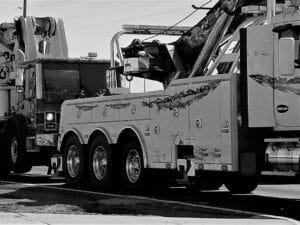
A flatbed tow truck is by far the safest way to move a car in this situation. The operator simply winches the entire vehicle up onto the truck’s bed, so none of the wheels are touching the road. If a flatbed isn’t available or if your car is stuck in a tight spot like a parking garage, the driver will use wheel dollies. You might hear these called “go-jacks.”
The driver places these small, wheeled platforms under the drive wheels (the ones connected to the transmission) to lift them off the pavement. This allows the car to be moved without its own wheels having to turn. According to J.D. Power, an average tow costs about $109, but that price can jump by $50 to $150 for complications like a locked steering wheel that demand specialized equipment like dollies.
Why Steering Wheels Lock as a Built In Safety Feature
All this frustration is actually caused by a security measure. The steering lock is a standard anti-theft feature designed to prevent your car from being steered away if a thief manages to hot-wire the engine.
The Mechanical Steering Lock
In most cars with a traditional key, when you remove the key and turn the wheel, a spring-loaded steel pin from the ignition lock housing shoots out into a slot on the steering column. It works just like a deadbolt on a door, preventing the wheel from turning more than a few degrees. This technology became standard after General Motors introduced it across most of its vehicle lineup way back for the 1969 model year. It’s still a surprisingly effective way to deter theft.
The Electronic Steering Column Lock (ESCL)
Newer vehicles that use push-to-start ignitions have an Electronic Steering Column Lock (ESCL). This is a modern version controlled by the car’s computer. It does the same job but uses a small electronic motor instead of a mechanical linkage. While they’re convenient, these electronic modules can sometimes fail.
For example, certain models like Nissan Altimas from 2007-2011 had well-known issues with ESCL module failures, which left drivers stranded with cars that recognized the key but flat-out refused to unlock the steering.
If you find yourself stuck in Oklahoma City with a wheel that won’t budge, try the wiggle method first. If that doesn’t work, figure out if you need a locksmith or a mechanic. And if you need to get that vehicle moved safely, Five Star Towing has the flatbeds and wheel dollies needed to transport your car without a single scratch.
Frequently Asked Questions
Your steering wheel locks because of an anti-theft feature designed to stop someone from steering your car without a key. It usually happens when you turn the steering wheel after you’ve already taken the key out. This causes a sturdy pin to snap into a slot on the steering column, effectively locking it in place (Consumer Reports).
It is there to stop a thief from driving away even if they manage to hot-wire the engine. In newer push-to-start cars, an Electronic Steering Column Lock (ESCL) does the same job, and it can lock up if the car's battery dies or the electronic module itself fails (United Locksmith).
Absolutely. Trying to force the key with all your might while the wheel is locked can easily snap the metal key blade or damage the delicate parts inside the ignition cylinder. The locking pin puts the whole mechanism under a lot of tension, and the key simply isn't strong enough to overcome that force on its own.
You have to relieve the pressure by wiggling the steering wheel while gently turning the key. If you force it, you risk a much more expensive repair that could involve extracting a broken key or replacing the entire ignition.
The cost really depends on what's causing the problem. If it's just the common lock-up that the "wiggle fix" solves, it costs you nothing but a minute of your time. However, if the ignition switch itself has failed, RepairPal estimates a replacement could cost between $125 and $275.
If the problem is a more complicated Electronic Steering Column Lock (ESCL) that needs to be replaced at a dealership, the bill can climb to over $700. You might also have to factor in towing fees, which J.D. Power notes have an average base cost of $109, and that can increase if special equipment like dollies are needed.
Most of the time, no. It's usually not a defect but just a safety feature doing its job. However, if the wheel stays locked even after you've tried wiggling it, or if the key feels gritty or hard to insert, it could point to a worn-out lock cylinder or even a slightly bent key.
In push-to-start cars, a locked wheel that's accompanied by a warning light on the dashboard often points to a failure in the ESCL module, which is a more significant repair that needs a professional's touch.
The ignition switch and the steering lock are designed to work together, either mechanically or electronically. In cars with a traditional key, the ignition cylinder is physically blocked from turning to the "Start" position until the steering lock pin is pulled back.
In push-to-start cars, the vehicle's computer won't allow the engine to start if the ESCL module hasn't sent a confirmation signal that the steering is unlocked. It's a safety system to prevent the dangerous situation of starting a car you can't steer.
Yes, it can, especially in cars with electronic steering locks and push-to-start systems. These modern systems need power from the battery to tell the motor to retract the locking bolt.
If your battery is dead, the signal never gets sent, and the motor can't operate the lock. Jump-starting the car usually provides enough power to solve this immediate issue, allowing the electronics to wake up and the wheel to unlock (United Locksmith).
First, make sure your key fob has a good battery and is inside the vehicle. Then, press the brake pedal and push the start button while, at the same time, wiggling the steering wheel back and forth. The little electric motor that's trying to unlock the column needs your help to overcome the physical tension on the lock bolt.
If this does not work and you see a warning light, it probably means there's a system fault, and you'll need to have the car towed to a mechanic.
Your standard liability insurance won't cover mechanical breakdowns like a jammed ignition. However, if you have a special "mechanical breakdown insurance" (MBI) policy or a roadside assistance add-on with your plan, it might cover the cost of the tow or a locksmith's service call.
It is always a good idea to check your specific policy details or call your insurance agent to see what's covered for non-accident-related problems (Consumer Reports).
No, driving with a stiff or sticky ignition is a bad idea. A key that's hard to turn is a sign that the tumblers inside are worn or the cylinder is failing.
This creates a serious risk that the key could snap off in the ignition, or even worse, the switch could slip out of the "Run" position while you're driving, which would kill the engine.
If you manage to get it unlocked, your very next stop should be a locksmith or a repair shop to have the ignition serviced or replaced.
A tow truck can absolutely cause damage if the operator tries to drag the vehicle while its drive wheels are locked on the pavement. This can shred your tires and even harm the transmission. However, professional towing companies know how to avoid this.
They'll use a flatbed truck to lift the whole car off the ground or use wheel dollies (go-jacks) to lift the locked wheels so they don't have to roll. Always make sure to tell the tow operator that the steering is locked so they know to bring the right equipment (J.D. Power).
The ESCL is basically the high-tech, motorized version of the old mechanical lock, and it's found in most modern cars with keyless entry. Instead of you physically turning a key to move a pin, the car's computer sends an electronic signal to a motor that extends or retracts a bolt in the steering column.
While it adds convenience, these electronic modules are more complex and can be more prone to sensor or motor failures than the simple mechanical ones, often requiring a trip to the dealership for programming to fix them.
Here is a good rule of thumb. If you have a traditional metal key that is stuck, bent, or broken, an automotive locksmith is the right choice. They are mobile, usually faster, and often less expensive than a full service repair shop, with typical costs ranging from 150 to 350 dollars.
If you have a push-to-start vehicle showing electronic warning lights, or if the key turns but the car will not start due to a computer related issue, you should contact a mechanic or dealership. They have the specialized diagnostic tools needed for electronic repairs, although the cost is usually higher.