

That feeling when you’re staring at a towing invoice, and it stings more than the breakdown that stranded you in the first place. There you are, stuck on the shoulder of I-35 or in some random Oklahoma City parking lot with your stress level through the roof, and the driver hands you a piece of paper that looks more like a down payment on a house.
The jumble of numbers and fees can feel like a foreign language. But taking a moment to understand how those charges are calculated can protect your wallet and help you tell the difference between a fair deal and a predatory one. When you’re feeling vulnerable, knowledge is truly your best defense against overpaying.
Key Points
- Every standard tow starts with two basic costs: a “hook-up” fee you can’t avoid, plus a charge for every mile they drive.
- If you’re driving something big or need to be pulled out of a tough spot, expect the price to jump because it takes serious equipment to do the job.
- Calling for help after hours, on a weekend, or during a holiday will almost always cost you extra, sometimes adding $50 to $150 to the bill.
- Don’t let your car sit in a tow yard! They charge by the day, and a weekend stay can easily tack on hundreds of dollars.
- Think ahead, signing up for a roadside assistance plan is almost always cheaper than paying for a single tow out of your own pocket.
The Base Fee Plus Mileage
The final price of a typical tow is built on two main things, a flat “hook-up” fee and a per-mile rate. Think of the hook-up fee as the cover charge for the service. This fee covers the cost of sending the truck out to find you and the work the driver does to get your vehicle safely secured.
For a standard car, you can expect to pay this base rate of around $50 to $125, even if you only need to go a mile down the road. If you’ve got a bigger vehicle, like a heavy-duty truck, that base price naturally goes up, often into the $150 to $300 range. Here’s the catch, the fee is usually set in stone. Even if you work a little magic and get your car started right as the tow truck pulls up, you’ll likely still have to pay for their time and travel.
Once your car is hitched up and ready to go, the meter starts running with mileage charges. This part of the bill covers the gas, time, and wear and tear on the truck as it transports your vehicle to the repair shop or back to your driveway.
The national average hovers around $4.00 per mile, but you’ll see rates fluctuate anywhere from $2.50 to $7.00 depending on who you call and where you are. Here is a pro tip, some companies will give you the first 5 or 10 miles for free as part of their base rate. It never hurts to ask the dispatcher about this before you agree to the service.
To give you a clearer picture, here is what a typical 15-mile tow in OKC might look like:
$75 hook-up fee + (15 miles x $4/mile) = $135 total.
As you can see, distance can really change the final price. Here’s how quickly the costs can climb with average rates:
- 10-mile tow is $75 base + $40 mileage = $115
- 20-mile tow is $75 base + $80 mileage = $155
- 25-mile tow is $75 base + $100 mileage = $175
- 50-mile tow is $75 base + $200 mileage = $275
- 100-mile tow is $75 base + $400 mileage = $475
Winching, Recovery, and Special Equipment Fees
The simple, standard tow rates we just talked about? Those are for when your car is sitting pretty on flat, solid ground. If you’ve slid into a ditch during a classic Oklahoma ice storm or found yourself stuck in the mud, the situation changes from a simple tow to a full-blown recovery. And when that happens, extra charges come into play.
Getting a car out of a tough spot with a winch is hard work, and operators often bill for it by the hour, usually somewhere between $100 and $250 an hour. And be prepared, even if they have you out in 20 minutes, most companies will still charge you for a full hour of work.
Things get even more expensive when an accident is involved. A recovery operation isn’t just about moving the car; it’s about cleaning up debris, managing traffic to keep everyone safe, and sometimes using some serious equipment to right a flipped vehicle. That extra labor can easily add hundreds of dollars to your final invoice.
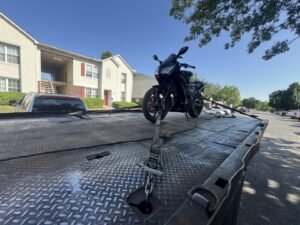
The kind of car you drive matters, too. If you have an all-wheel-drive car, a luxury sedan, or a motorcycle, you’ll almost certainly need a flatbed truck. Trying to tow an AWD vehicle the old-fashioned way, with two wheels on the pavement, can completely destroy the transmission. Paying a little extra for a flatbed, usually an additional $25 to $75, is a smart move that can save you a fortune down the road.
Choosing the Right Tow Truck
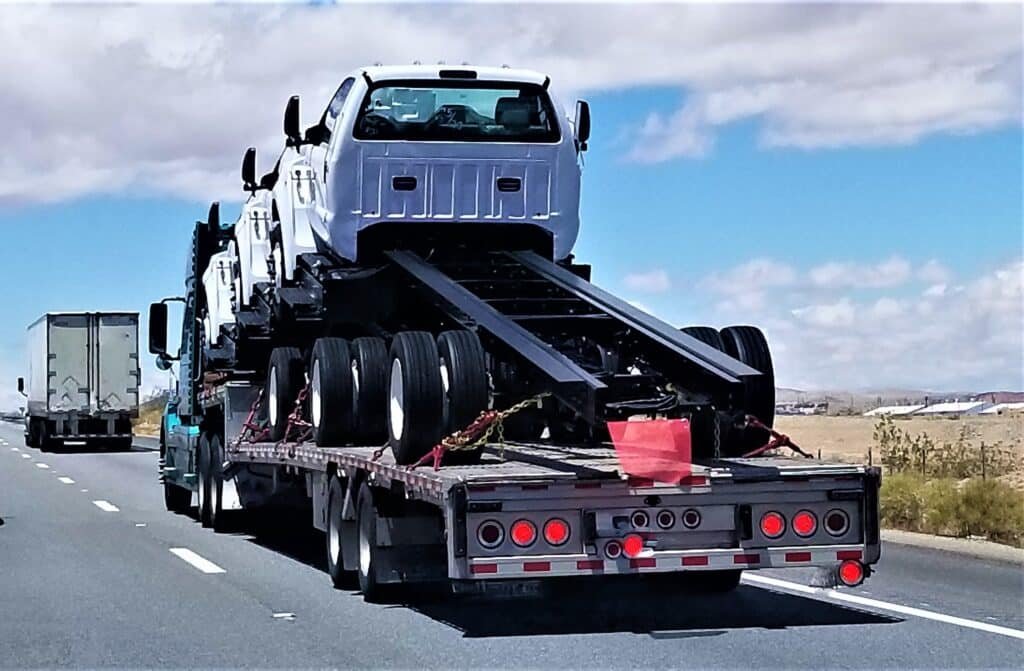
- A wheel-lift truck is the classic tow truck and a solid choice for standard two-wheel-drive cars that do not need to be towed very far.
- A flatbed truck is the safest option in most situations, especially if you have an all-wheel-drive vehicle, a luxury car, or need to be towed over a long distance, as it helps prevent potential damage.
- A heavy-duty rotator is the most powerful option in the towing world and is the right machine for handling semi-trucks, buses, or serious accident cleanups.
Decoding Surcharges
Car trouble doesn’t stick to a 9-to-5 schedule, and neither do tow trucks. But getting help outside of regular business hours which are usually 8 a.m. to 6 p.m. on weekdays will cost you more. When you call for a tow at 2 a.m. or on a holiday, it signals to the towing company that you’re in a real bind. And just like with other emergency services like plumbers or locksmiths, that urgency comes with a higher price tag.
This extra charge reflects the inconvenience and the higher cost of keeping drivers available around the clock. These surcharges usually show up on your bill as a flat fee, somewhere between $50 and $150. Some companies might instead charge a higher rate, like one-and-a-half times their standard mileage fee. So, if your car is parked safely in your driveway but just won’t start on a Saturday, you could save yourself some serious cash by waiting until Monday morning to call for a tow.
How Daily Storage Fees Can Double Your Towing Bill
Of all the hidden costs in the towing world, storage fees are the true silent budget killers. If the tow truck takes your car to an impound lot or their storage yard instead of directly to a mechanic, a new clock starts ticking the storage fee clock. You will be charged a storage fee for every single day your vehicle sits on their property, and these fees add up faster than you can imagine.
Just think about it, your car gets towed on a Friday night after a fender-bender. The tow yard is closed for the weekend, so you can’t get it out until Monday morning. Suddenly, you’re on the hook for three days of storage fees. At a typical rate of $60 a day, that’s an extra $180 on your bill before you’ve even paid for the tow itself or the “release” fee. Most lots also charge a one-time administrative fee, usually between $50 and $150, just to handle the paperwork. Daily rates for a normal car can range from $30 to $80, so it’s crucial to find out the tow yard’s hours and get your car out as fast as you possibly can. The towing cost per mile is another charge to consider when estimating your total bill, especially for longer-distance tows.
Roadside Assistance Plans
Paying for each tow out of your own pocket is one of the most expensive ways to handle a breakdown. A roadside assistance membership is like a financial shield against those surprise, sky-high bills. With these plans, you pay a yearly fee and in return, you get access to a bunch of services, including towing up to a certain number of miles.
To put it in perspective, J.D. Power reports that the average tow paid for out-of-pocket costs about $109. Meanwhile, a basic AAA membership might cost you only around $60 for the entire year. That means the plan pays for itself the very first time you need to use it.
Common Roadside Assistance Options
- AAA is the most widely recognized name in roadside assistance and offers multiple membership levels, ranging from the Classic plan with a five-mile tow limit to the Premier plan that provides coverage for up to 200 miles.
- Better World Club is a strong eco-conscious alternative to AAA, offering comparable plans that also include coverage for bicycles.
- Good Sam Roadside Assistance is well known for its RV coverage but also provides excellent plans for regular cars and trucks.
- Many insurance providers, such as Progressive and Geico, allow you to add emergency roadside service to your policy, and this option is often the most affordable, sometimes costing less than twenty dollars per year.
Frequently Asked Questions
For a short 5-mile trip, you're likely looking at a bill between $75 and $125. Most of that cost comes from the flat hook-up fee, which is usually around $50 to $100, with the mileage itself only adding another $20 to $35.
According to Move.org, short tows often feel disproportionately expensive because the base fee applies regardless of how short the distance is.
This is where a roadside assistance plan proves especially valuable, as it can save you a significant amount of money on short tows where the base fee makes up the largest portion of the cost.
The hook-up fee is that initial, base charge a towing company bills you for sending a truck your way and getting your vehicle secured. It covers their gas to get to you, the driver's labor, and their insurance. For a standard car, this fee is typically between $50 and $125.
Forbes Advisor notes that this fee is generally non-negotiable because you are paying to reserve the tow truck’s time and service.
For that reason, it is always wise to ask the dispatcher whether the first few miles are included in the fee so you can better estimate your total cost.
If you have roadside coverage on your policy, calling your insurance is almost always going to be cheaper at the moment. You can often add this coverage for less than $20 a year, while a single tow averages around $109.
Consumer Reports explains that in some states, using your insurance for a tow may be recorded as a claim on your policy, even if it does not lead to a rate increase.
Because of this, it is important to review your policy’s fine print, and if you anticipate needing a tow more than occasionally, a separate roadside assistance service like AAA may be a better option to keep those incidents off your insurance record.
You can expect to pay somewhere between $2.50 and $7.00 per mile. On average, the rate across the country is about $4.00 per mile.
Data from J.D. Power indicates that per-mile towing rates can be higher in rural areas, in part because drivers often have a longer return trip after the drop-off.
With this in mind, if you need a long-distance tow, it is worth asking whether a flat rate is available, or at least reviewing your roadside assistance plan to understand its mileage limits.
Absolutely. Most companies will add an "after-hours" surcharge for calls outside of normal business hours. This could be a flat fee of $50 to $150, or they might charge a higher rate, like 1.5 times the normal price.
Like any around-the-clock service, towing costs tend to increase during nights, weekends, and holidays due to higher labor and operational expenses.
As a result, if your car breaks down in a safe and legal location, waiting until the next business day to request a tow can save you a noticeable amount of money.
A recovery is when your vehicle isn't on a solid, flat surface. Think of being stuck in a ditch, deep mud, or a snowbank. A winch-out service, which is what this is called, is usually billed by the hour at a rate of $100 to $250.
As Move.org explains, this charge is entirely separate from the tow itself, meaning you pay for the effort required to recover your vehicle and then pay again for the tow to the repair shop.
Because of this, it is important to be as clear and detailed as possible when you call for assistance, since failing to mention a situation like being stuck in a ditch could result in the wrong truck being dispatched, causing delays and additional fees.
For a regular passenger car, you can expect to pay anywhere from $30 to $80 per day in storage fees.
Many states have laws that limit how much a storage lot can charge, but those fees still accumulate for each calendar day your vehicle remains there.
For this reason, it should be a top priority to retrieve your car as soon as possible, since leaving it in storage over a weekend can quickly multiply the total cost you owe.
For the most part, yes. Most private towing companies will expect you to pay with cash or a credit card right when they drop off your vehicle.
The main exception occurs when the police order your vehicle to be towed, such as in cases of illegal parking, in which case you must pay the charges at the impound lot before your car will be released.
Because of this, it is always important to ask about accepted payment methods when speaking with the dispatcher, since most tow drivers are not able to accept personal checks.
A flatbed is a safer, more secure way to transport a vehicle, and it's absolutely necessary for all-wheel-drive cars to avoid damaging the transmission. That extra security usually comes with a surcharge of about $25 to $75 over a standard tow.
Flatbed trucks are heavier and consume more fuel, which raises the operating costs for the towing company.
Because of this, if your car’s manual specifies a flatbed is required, it is not worth skipping it to save a few dollars, as the small extra fee is far less expensive than paying for a major transmission repair.
Don't be afraid to ask the dispatcher for a "binding estimate" or at least a clear breakdown of their hook-up fee and per-mile rate.
A reputable towing company will gladly explain their pricing, while vague or evasive answers can be a warning sign of potential price gouging.
For this reason, it is a good idea to request that the quote be sent to you via text or email, as having it in writing can help prevent unexpected price increases when the driver arrives.
A 100-mile tow can easily cost between $400 and $600, based on an average rate of $4 per mile plus the initial hook-up fee.
J.D. Power notes that while the per-mile rate may decrease for very long tows, the overall bill can still be quite high.
Because of this, for extremely long distances, it may be more cost-effective to use a vehicle transport carrier instead of a traditional tow truck.
AAA will only cover the full cost up to the mileage limit of your membership plan. Depending on your tier, that could be 5, 100, or 200 miles.
If your tow exceeds the distance covered by your plan, you will be responsible for paying the company’s standard per-mile rate for the additional miles.
Because of this, if you often travel far from home, it is likely worth upgrading to a Plus or Premier membership to ensure you have full coverage.
This is a one-time charge, usually between $50 and $150, that the tow yard bills you to cover the cost of processing the paperwork to release your vehicle.
This fee covers the time the staff spends logging your vehicle’s information, verifying that you are the rightful owner, and completing the release paperwork.
Because of this, it is important to bring your driver’s license and proof of ownership to the lot, as any delays could result in additional daily storage charges.
At Five Star Towing, we believe in being upfront and honest about our prices because we know that being stuck on the side of the road is stressful enough. Oklahoma City drivers deserve a partner who is there to solve their problem, not add to their financial worries. Give Five Star Towing a call for fair rates and expert help that gets you safely back on your way.