

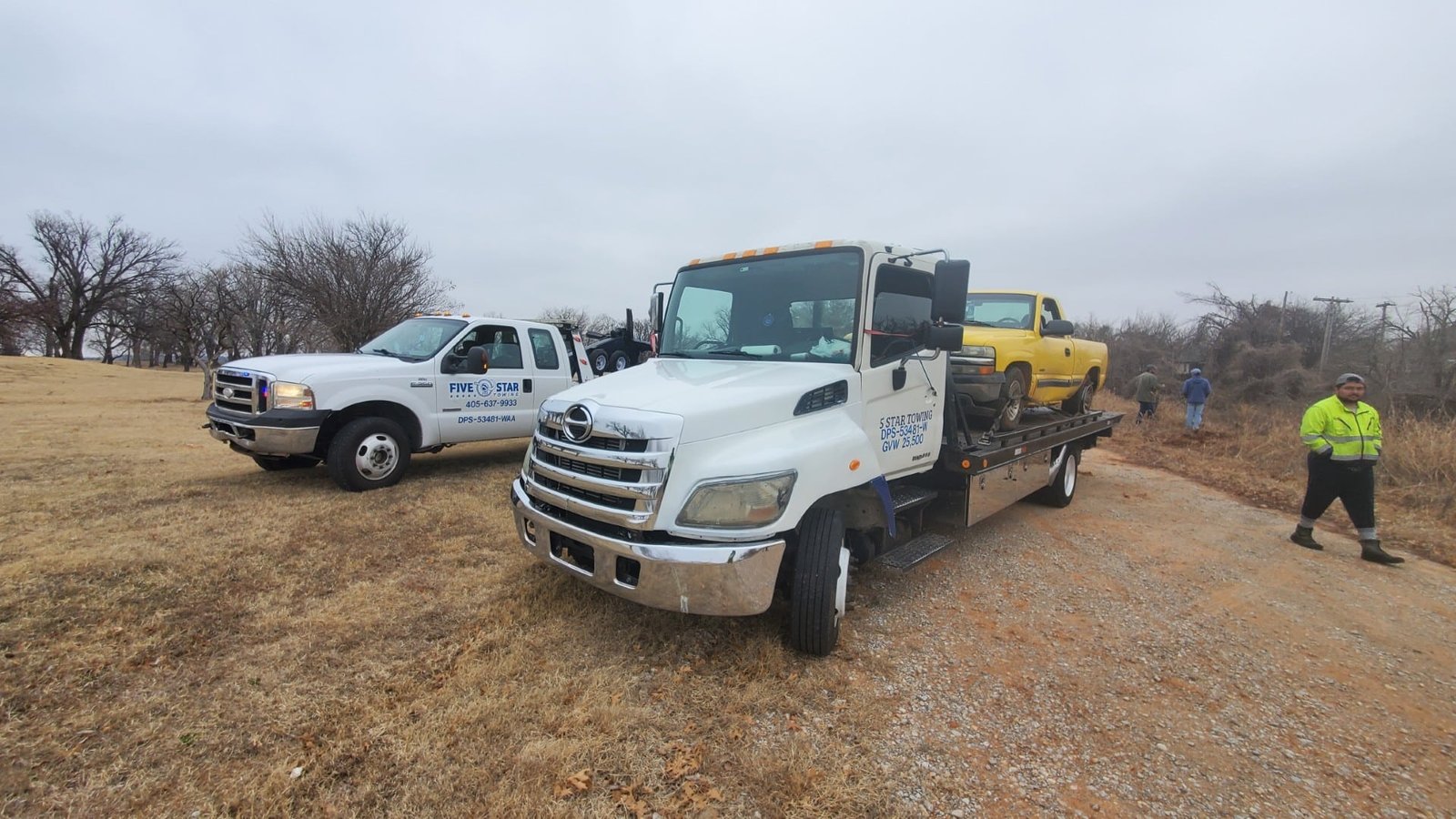
That feeling is unmistakable. You walk out to where you parked your car only to find an empty space, and a unique kind of panic floods your system. Your stomach drops. Your mind starts racing through a dozen worst-case scenarios.
Is it stolen?
Did I completely forget where I parked?
Then, the cold reality sinks in, you’ve been towed. It’s a frustrating, expensive, and incredibly confusing experience. While most drivers think a tow is just a tow, the law sees things very differently.
Understanding the difference between a tow you ask for and one you definitely don’t is the single best way to protect your wallet. This guide is here to cut through the legal jargon and confusion surrounding towing laws, fee caps, and your rights on the road.
Key Takeaways
- If your vehicle is gone, immediately take pictures of where you were parked. This is your proof if the towing signs were missing, hidden, or didn’t follow the law.
- A “consent” tow is when you hire a tow truck yourself. A “non-consent” tow is when the police or a property owner has your car removed without your permission.
- Non-consent tows have legally regulated fee caps to protect you from price gouging. Consent tows, on the other hand, are based on market rates.
- If you catch the tow truck driver before they’ve actually driven off the private property, you can often pay a much smaller, regulated “drop fee” to get your car back on the spot.
- Watch out for tow drivers who shove a “consent” form in your face at an accident scene. Signing it could trick you into giving up your legal protections against outrageous fees.
When Your Car Was Towed Without Your Consent
Panicking is the worst thing you can do for your bank account. If your vehicle has vanished, take a deep breath and start documenting everything around you. If your car is still there but is in the process of being hooked up, do not try to physically stop the operator or block the truck. This won’t stop the tow, and it could land you with misdemeanor charges.
Instead, pull out your phone and take pictures of everything; the spot where you parked, the tow truck itself, and especially any posted signs. The details on those signs often determine whether the tow was legal in the first place.
Next, you need to play detective and find out where your car ended up. Call the local non-emergency police line. They can check their records to see if the tow was ordered by an officer or reported by a private property owner, and they can tell you which impound lot is holding your vehicle. Once you have the tow company’s name, give them a call and insist on a fully itemized invoice. You need to see a breakdown of every single charge they’re hitting you with.
Take that invoice and compare it, line by line, against your local city or county ordinances. Many areas have strict maximums on what companies can charge. If you spot any overcharges, you have solid grounds to dispute the bill. Better yet, if the truck has your car hooked up but hasn’t left the private property yet, you may be able to demand its immediate release. In many states, you have the right to pay a regulated “drop fee” to stop the tow right there. While nobody wants to pay a fee that can range from $50 to $200, it’s a whole lot cheaper than paying for the full tow plus daily storage fees.
Defining Consent and Non-Consent Towing
The towing world basically operates under two different rulebooks. The category your situation falls into will determine how much you pay and what rights you have. “Consent towing,” also known as consensual towing, is simple. It’s what happens when you, the driver or owner, actively hire a tow service. You call a company like Five Star Towing when your car breaks down, or you sign an agreement to have a vehicle transported. In these cases, you hold the power to choose the company and negotiate the price.
“Non-consent towing,” or nonconsensual towing, is where things get complicated and heated. This is when your vehicle is taken without you giving permission beforehand. The authority to tow doesn’t come from you; it comes from law enforcement or a private property owner. On a federal level, experts recognize two main categories here, police-initiated tows and impound tows. A police-initiated tow might happen after a car crash, if your car is a traffic hazard, following a DUI arrest, or when your vehicle dies and is blocking traffic. An impound tow is what happens when a vehicle is parked illegally, is left somewhere without authorization, or is abandoned on private or public land.
This distinction is everything, because in a non-consent situation, you have zero bargaining power. You can’t exactly shop around for a better price while your car is being held hostage in an impound lot. Because of this, industry groups like the American Trucking Associations warn that “predatory towing” is most likely to rear its ugly head in these non-consensual scenarios.
The Real Cost of a Tow
Your financial protection changes dramatically depending on who ordered the tow. For consent tows, the price is usually something you negotiate or is set by the company based on standard market rates. Non-consent towing is a different beast entirely. Because you have no say in the matter, it’s much more heavily regulated. Many states and cities put strict caps on towing and storage fees to shield consumers from being exploited.
The bill for a non-consent tow is rarely a single flat rate. It’s more like a stack of compounding fees designed to grow with each passing day. A typical invoice will start with a Base Tow Fee, which is the regulated maximum for just hooking up the car. If the police ordered the tow, you might see Per-Mile Charges tacked on.
Then come the Administrative or Lien Fees for all the paperwork. But the silent killer on these bills is the storage fee. These charges pile up every 24 hours. With daily rates often falling between $25 and $40, leaving your car in the lot for just one week can easily add another $175 to $280 to your final bill.
State-by-State Breakdown of Non-Consent Towing Fee Caps
- While the state offers protections, getting your car back can still hit your wallet hard. Maximum towing fees can climb to $300 or more, with daily storage costs running anywhere from $25 to $80.
- The Lone Star State keeps a tighter rein on costs. The maximum fee for towing a standard vehicle is capped at $272, and daily storage fees generally stay between $20 and $35.
- The caps here are even stricter. The maximum tow fee is set at $175, though the daily storage fee can be as high as $50.
- In Ohio, towing is regulated by the Public Utilities Commission. Storage fees are noticeably lower than in many other states, often hovering around $17 per day.
- Across the country, many other states have set their non-consensual tow fees in the ballpark of $110–$200 for the tow itself and $20–$40 per day for storage.
How Palm Beach County, FL Regulates Towing Rates
Often, local city or county rules can add more detail to or even override state laws. Palm Beach County, Florida, is a perfect example of just how specific these regulations can get. For 2025–2026, the county has a flat non-consent tow rate of $366 for standard vehicles removed from private property. If the tow was ordered by the police, however, that cap drops to $177, though they can add a per-mile fee of $7.50.
The county even regulates the clock on storage fees, which can’t start until six hours have passed. On top of that, an administrative or lien fee of up to 25% of the tow charge can be added, but only after the first 24 hours have passed since the police report, and it must be charged in 15-minute increments. This level of detail is designed to stop companies from rounding up hours or billing you for services they didn’t actually perform.
Legal Protections Against Predatory Towing
“Predatory towing” isn’t just a tow you don’t like; it’s an official term for abusive practices, like charging outrageous fees, failing to give proper notice, or holding a vehicle hostage to squeeze more money out of you. These problems pop up almost exclusively in non-consent situations where the driver is powerless to negotiate. While a consent tow is covered by general consumer laws and the contract you signed, a non-consent tow triggers a special set of legal protections.
Unfortunately, these protections vary wildly from state to state. Some states are like a strong shield for drivers, while others have legal loopholes that predatory companies know how to exploit. For the most part, these protections focus on three key areas: caps on fees, strict rules about notifying you, and clear requirements for posted signs.
Where Drivers Are Better Protected (And Where They Aren’t)
Your location can make all the difference in how much protection you have. States known for having stronger consumer safeguards against predatory towing include Illinois, Maryland, Missouri, and New Mexico. These places tend to have up-to-date laws that target specific billing abuses. On the flip side, states with weaker or less specific towing laws include Indiana, Iowa, Mississippi, New Hampshire, South Dakota, and Vermont. In some of these areas, the state towing laws are decades old, some even dating back to the 1970s. This failure to keep up with the times has pushed many cities to create their own local ordinances to fill in the protective gaps.
The Legal Authority Behind a Non-Consent Tow
A tow truck driver can’t just decide to take your car on a whim. They need to have specific legal authority. In a consent tow, your signature on the work order gives them that authority. In a non-consent tow, their authority comes from one of two places, a direct order from a law enforcement officer or from state and local laws that give private property owners the right to remove unauthorized vehicles.
A police officer can order your car to be towed if it’s blocking traffic, was involved in a crime, or is disabled after an accident. A private property owner can order a tow, but only if they have followed every single state and local rule about posting signs and getting authorization. If they skipped a step or didn’t follow the rules to the letter, their authority to tow is invalid, and the removal of your car may have been illegal.
Signage, Notice, and Authorization Requirements
Before a tow company can legally haul your car away from private property, both the property owner and the tow operator have to play by a very specific set of rules. You can’t legally be towed from a private lot if you weren’t given a clear warning and if the proper process wasn’t followed.
What Legally Valid Signage Looks Like
You’ve seen the signs a million times, but legally, the exact wording and where they are placed is critical. Many states demand that clear, visible signs be posted at every single entrance to a property, warning that unauthorized vehicles will be towed. These signs must also usually include the name and phone number of the towing company so you’re not left guessing where your car went.
California takes it a step further, not only requiring signs at all entrances but also mandating a one-hour grace period in some situations before a car can be legally towed. Texas requires clearly marked tow-zones and also regulates “drop fees” if you return before your vehicle has been fully removed. If the sign warning you about towing is hidden behind a bush, faded beyond recognition, or missing the required phone number, you may have a powerful defense against the towing charges.
Legally Required Notifications After the Tow
The moment the tow truck drives off the lot, a new clock starts ticking on notification rules. Towing companies are typically required by law to report any non-consent tows to the local police within a very short timeframe. This rule exists to prevent a flood of stolen car reports for vehicles that are simply sitting in an impound lot.
- Florida demands that private-property tows be reported to law enforcement within just 30 minutes.
- Texas requires police notification within two hours of completing the tow.
- Nevada law gives the tow operator 15 days after storage starts to notify the legal owner and any lienholders.
- North Carolina requires tow companies to get written permission from the property owner for every single tow and to be officially permitted by the state each year.
When Is a Tow Consent versus Non-Consent?
Telling the difference between these two types of tows is usually easy, but some situations can feel like a gray area. If you call for roadside assistance because of a flat tire, that’s a clear-cut consent tow. If you hire a truck to move a classic car from your garage to a body shop, or if your insurance company sends a tow truck after you call them about an accident, you are consenting to the service. You are the one who set the wheels in motion.
Non-consent looks very different. Your car gets towed from your apartment complex because of an expired parking sticker. The police have your car towed after you’re arrested for a DUI. Your vehicle is hauled out of a fire lane at the mall. In all these cases, the tow is non-consent.
Here is a critical warning for any driver involved in an accident. Some tow companies might try to get you to sign a “consent” form right there at the scene of a police-ordered tow. They might make it seem like it’s just standard paperwork. However, policy experts are clear that this doesn’t change the legal status of the tow. If the police called for the tow or you had no other choice, the non-consent rules still apply. Signing that form might trick you into waiving your rights or agreeing to much higher, unregulated rates. Always read everything carefully before you sign anything.
How States Like Utah Determine "Fair" Towing Prices
To figure out what a “predatory” price really is, you need good data. The Utah Non-Consent Towing Cost Study is a great behind-the-scenes look at how states tackle this problem. The study was launched to see if the state’s maximum allowed towing rates were actually fair to both the public and the tow truck operators.
The study dug into the costs for different kinds of towing businesses. It discovered that the actual cost-based rates for towing and storage were below the state’s current maximums. This suggests that the caps are set high enough to allow for a reasonable profit without letting companies gouge consumers. The study recommended that any future price adjustments should be linked to things like truck driver salaries, fuel prices, and the general inflation rate. This kind of data-first approach is a model for how states can protect consumers while keeping the towing industry healthy.
Non-Consent Towing for Heavy Trucks
The stakes get much, much higher when the vehicle being towed is an 18-wheeler. Federal agencies like the FMCSA have found that nonconsensual towing of commercial trucks is a hotbed for predatory practices, especially after an accident. The truck driver is incredibly vulnerable because that vehicle isn’t just transportation; it’s their entire livelihood.
While the legal categories are the same police-initiated and impound, the costs are astronomical. Invoices for commercial truck tows can run into the tens of thousands of dollars because of the vehicle’s size, the cargo it’s carrying, and the complexity of the recovery. The American Trucking Associations and other industry groups are fighting to address predatory non-consent truck towing at the federal level by pushing for clearer invoicing and better ways to dispute unfair charges.
How to Avoid an Unauthorized Tow in the First Place
The easiest way to win a towing dispute is to never let it happen to begin with. Prevention starts with being observant. Every time you pull into a parking lot, make it a habit to look for towing signs at the entrances and near the parking spaces. If you park somewhere frequently, snap a quick photo of the signs with your phone. This gives you a record in case the signs are ever changed or taken down.
If you live in a place with a homeowners association or an apartment complex, read your lease or HOA rules very carefully. These documents often contain clauses where you give blanket consent to have your vehicle towed for things like an expired permit or parking in the wrong spot. Also, always keep your vehicle registration and insurance up to date and in your car. This can prevent your car from being impounded after a routine traffic stop or a minor fender-bender. Finally, if you believe your car was towed illegally, use your photos of missing or improper signs as your primary evidence when you file a dispute.
Getting towed is a nightmare, but understanding the crucial difference between a consent and non-consent tow puts you back in control. Whether it’s knowing your right to pay a drop fee or being able to spot an inflated invoice, knowledge is your best weapon.
For drivers in Oklahoma City, you have a local partner who believes in transparent and fair service. Five Star Towing is here to provide reliable, professional towing and roadside help without the stress and guesswork. When you need a hand, call the team that OKC trusts to get you and your vehicle home safely.
Frequently Asked Questions
It all comes down to who called the truck. In a "consent" tow, you, the owner, ask for the service. In a "non-consent" tow, someone else like the police or a property manager makes the call to have your car removed without your permission.
This difference is huge because it changes the rules for what they can charge you. Consent tows are like any other service where prices are based on the market. Non-consent tows are tightly regulated by law to protect you from being taken advantage of when you're in a vulnerable position.
If you didn't personally call for a tow, you are almost certainly in a non-consent situation. This means you have specific legal protections, like fee caps, that you should immediately look up for your city and state.
Yes, but only if they have the legal authority to do so. They can't just decide to take your car. They must be acting on orders from law enforcement (due to an accident, crime, or hazard) or a private property owner (due to a parking violation).
For a tow from private property to be legal, the property owner has to follow strict rules, which almost always includes posting clear "Tow-Away Zone" signs. State laws and federal policies set the boundaries for when they are allowed to do this.
If your car was towed from a private lot, your first move should be to check if the owner followed all the signage rules. If they didn't post proper signs as required by law, the tow could be illegal, and you may be entitled to get your money back.
The maximum charges are set by state or local law. There isn't one national rate, but the bill usually includes a base fee for the tow (often $150–$300) plus daily storage fees (typically $20–$50 per day).
States like Texas and Ohio have very specific caps on how much can be charged. For example, Texas limits tows to $272 for a standard car, while some local governments, like Palm Beach County, set their own flat rates. These laws exist to stop companies from charging whatever they want when a driver has no other choice.
Always demand a detailed, itemized bill. Check every single charge from mileage to administrative fees against the fee schedule published by your city or state. If your bill is higher than the legal limit, you should file a formal complaint.
First, confirm that it was actually towed and find out where it is. Don't call 911. Use the non-emergency police phone number. They can tell you if your car was impounded (so you know it wasn't stolen) and which company has it.
You need to act fast because time is literally money. Storage fees add up every 24 hours, and sometimes even sooner. The quicker you can get your car back, the less you'll have to pay.
Before you even leave the parking spot, take pictures of the area with your phone. Pay close attention to whether "Tow-Away" signs are present, visible, and legible. This photographic evidence will be your most powerful tool if you decide to dispute the tow.
In most places, yes, and it's a much better deal. If the tow truck has your car hooked up but is still on private property, many state laws require the operator to release it to you if you pay a smaller "drop fee."
These fees are regulated and usually fall between $50 and $200. The fee is meant to compensate the driver for their time and labor, but it saves you from the much higher costs of a full tow and impound storage.
If you walk up while they are hooking up your car, stay calm and don't be confrontational. Simply state that you are there to pay the legal drop fee. If they refuse to release the car and tow it anyway, make a note of the time and driver's details, because they may have just broken the law.
Yes, there are consumer protection laws, but they are different in every state. These laws officially define predatory towing and target abusive tactics like outrageous fees, improper signage, and holding cars hostage for payment.
Some states, like Illinois and New Mexico, have very strong, modern laws to protect consumers. Others are working with outdated statutes. Federal groups like the FMCSA are also involved in fighting predatory towing, especially when it involves commercial trucks.
Your first step should be to search online for your specific state's laws on towing. If you believe you've been a victim of predatory towing, you can report the company to your state's Attorney General or your local consumer protection agency.
First, look around the parking lot for a sign, which should have the towing company's name and number on it. If you don't see a sign, your next call should be to the local non-emergency police line.
The law requires towing companies to report non-consent tows to law enforcement very quickly (like within 30 minutes in Florida or two hours in Texas). This is done specifically to prevent people from mistakenly reporting their cars as stolen.
If the police have no record of your car being towed after a few hours and there were no signs, there's a chance it was either stolen or towed illegally. At that point, you should proceed with filing an official police report.
Generally, signs have to be easy to see, easy to read, and posted at the entrances to the property. They must state that unauthorized cars will be towed at the owner's expense and must provide the towing company's name and phone number.
The exact rules change by state. California, for example, demands signs at every entrance. Texas has strict regulations about the size and placement of the lettering. A tow may be considered invalid if the sign was faded, blocked from view, or missing key information.
Taking photos of the signs (or the lack of them) is your number one defense. If the signage doesn't meet the strict legal requirements for your area, you can use that evidence to challenge the tow fees, often in small claims court.
Absolutely. You can sue them in small claims court if you have proof that the tow was illegal or that the fees they charged were predatory and broke the law.
If you win, you can typically recover the cost of the tow, storage fees, and sometimes money for repairs if your car was damaged. Some states even allow you to collect triple the amount in damages if you can prove the company acted maliciously or intentionally violated consumer laws.
Before you file a lawsuit, try sending the company a formal demand letter that includes copies of your evidence (photos, receipts, and the relevant laws). Many companies will offer to settle to avoid going to court. If they don't, small claims court is a great place to get your money back.
You need to get it as soon as you possibly can. While you legally have some time (often 30 days or more) before they can sell it, the daily storage fees will quickly add up until they're more than the car is even worth.
Each state has laws that lay out the timeline for a "lien sale." For instance, Nevada requires that owners be notified within 15 days. After a certain amount of time passes (usually 30 to 60 days), the tow company has the right to sell your vehicle at auction to pay off your bill.
Don't wait. If you can't afford the bill right away, call the company and see if you can work something out, but be aware that they have a legal right (called a possessory lien) to keep the car until the debt is paid in full.
If you're unable to pay the fees, the towing company has the right to sell your vehicle at a public auction to cover what you owe them.
This legal process is called "enforcing a lien." The money from the auction is used to pay off your towing and storage bill. But if the car sells for less than what you owe, the company can come after you for the remaining balance, either by suing you or sending the debt to a collection agency.
To avoid being sued for the remaining debt, you may be able to negotiate with the company to sign the car's title over to them. In exchange, they might agree to waive the rest of the bill. You lose the car, but it can protect you from further financial and credit damage.
In most cases, no. Experts warn that signing a form at a chaotic accident scene doesn't take away your legal protections if the police were the ones who called for the tow or if you were given no other realistic choice.
Some dishonest tow operators use this tactic to trick drivers into signing a "consent" form, which they then use as an excuse to ignore the legal fee caps. However, regulators and courts usually look at the *circumstances* of the tow (was it an emergency? who called?) rather than just the signature on a form.
Be very careful about what you sign in a high-stress situation. If a form seems to waive your rights to regulated fees, you can refuse to sign it and tell the police officer that you want the standard, non-consent tow from their official rotation list.
Not at all. Towing laws are a complex mix of state laws and local city or county rules. There is no single federal law that covers all towing.
As you can see from the differences between California (with its high fees but strict sign rules) and Ohio (regulated by a state commission), the rules can be completely different from one place to the next. What's perfectly legal in Florida could be against the law in North Carolina.
Never assume that advice you hear about one state applies to yours. To truly understand your rights and the legal fee limits, you have to look up the specific towing laws for the city and state where your car was towed.