

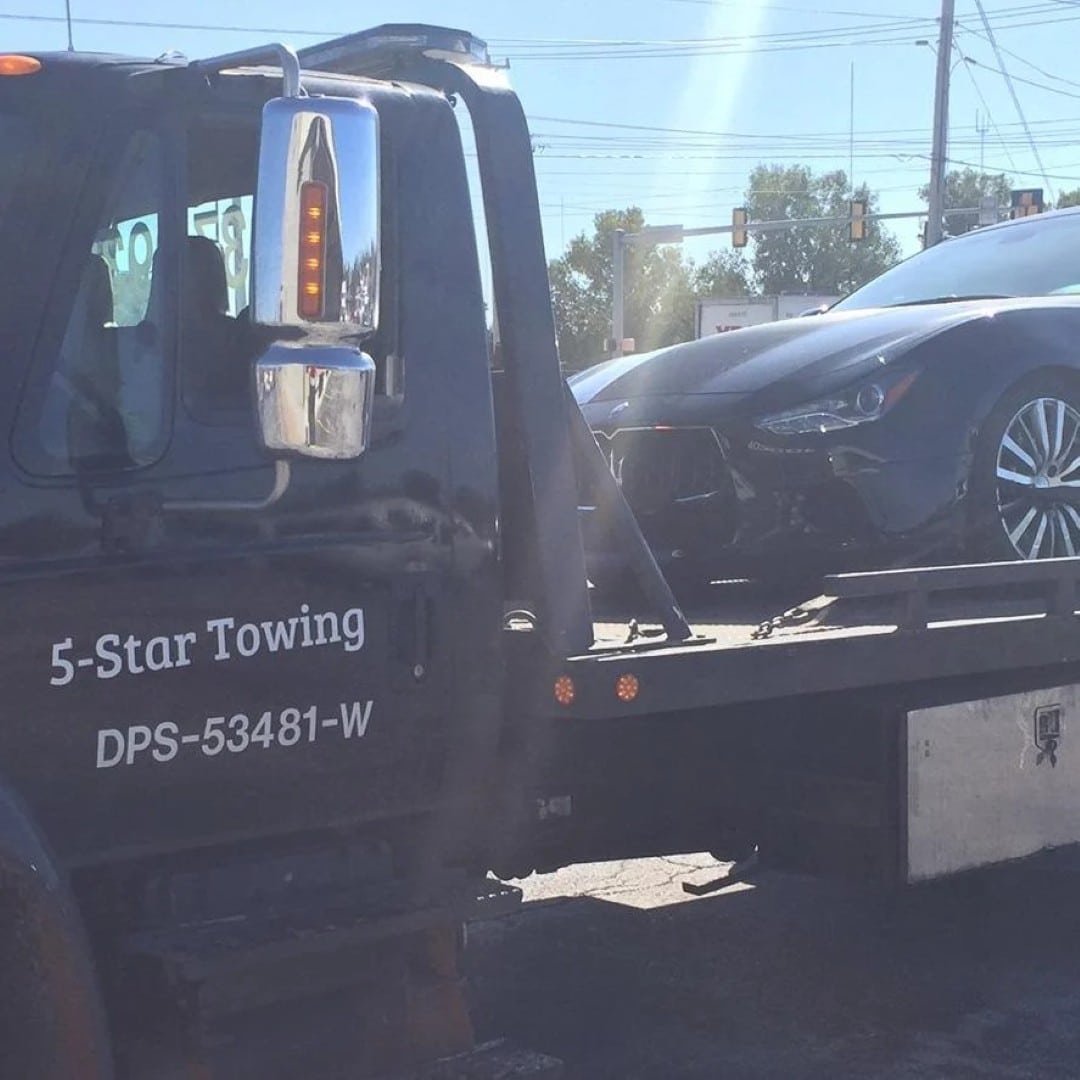
That sinking feeling in your stomach when you walk out to the curb and find nothing but an empty space where your car used to be is a special kind of panic. Your first thought is probably theft, but here in Oklahoma City and all across the country, the real story is often more about bureaucracy than it is about crime.
Your car hasn’t necessarily been stolen; there’s a good chance it was legally removed. Whether it was a missed payment, an expired tag, or a safety issue that triggered it, the system for legally taking a vehicle is massive and surprisingly efficient.
The only way to keep your property safe is to understand how this system works. It means knowing the crucial difference between a thief taking your car and a lender simply exercising a clause in a contract you signed. From the alarming rise in repossessions to the strict enforcement of city codes, the reasons your car can disappear are specific, and you can avoid them if you know what to look for.
Key Takeaways
- The number one cause of legal car removal is defaulting on a loan, with a staggering 1.85 million repossessions expected in 2024.
- Your city can legally tow your vehicle for things like unpaid tickets, expired registration, or blocking public access, and they often don’t have to give you much warning.
- After an accident, older cars are often towed and scrapped simply because the cost of repairs is higher than the car’s cash value.
- Federal laws like the Dodd-Frank Act are in place to protect you from unfair or abusive repossession tactics, but you need to act fast to use them.
- The global effort to reduce emissions is fueling a multi-billion dollar business that focuses on getting older, less efficient cars off the road for good.
Skyrocketing Repossessions
By far, the most common reason a tow truck shows up in someone’s driveway is a default on an auto loan. When you sign a financing contract, your car is the collateral. If you break the terms of that agreement, the lender has the right to take their asset back. Right now, we are seeing a massive wave of this happening. In 2022, lenders took back over 1.2 million vehicles. According to data from Consumer Affairs and Cox Automotive, that number is climbing sharply.
Forecasts show that repossessions will likely hit 1.85 million in 2024, which is a 23% jump from the year before. The numbers are expected to level out around 1.8 million in 2025, bringing us back to levels we haven’t seen since before the pandemic. This spike is directly tied to the enormous amount of U.S. auto loan debt, which reached $1.6 trillion in early 2024. Despite how efficient the process is, seizing a car is actually a losing game for lenders. After you factor in the costs of towing, storage, and auction fees, lenders often only get back about 30% of what they were owed. The truth is, they don’t want your car; they want your payments. They only take the car because it’s the last piece of leverage they have.
Looking at the timeline of repossessions tells a grim story about the economic stress families are under. In 2019, the industry saw 1,683,220 repossessions. Pandemic-era protections caused that number to drop to 1,288,199 in 2020 and then down to about 1.1 million in 2021. The rebound to 1.5 million in 2023 and the projected spike this year are clear signals that household budgets are cracking under the pressure of inflation and high interest rates.
What Legally Constitutes a Loan Default?
A “default” isn’t some vague idea; it’s defined in black and white right in your loan contract. While the exact policies can vary, a borrower is usually considered in default somewhere between 30 and 90 days after missing a payment. Once you cross that line, the lender generally doesn’t need a court order to take action. This is a practice known as “self-help repossession.”
Under this legal framework, a recovery agent has the right to come onto your property to take the vehicle, but with one major rule, they cannot “breach the peace.” Breaching the peace means they can’t use physical force, threaten you, or break into a locked garage. If your car is parked on the street or sitting in an open driveway, it’s considered fair game.
Voluntary Surrender versus Involuntary Repossession
If you know you can’t keep up with your payments, you’re faced with a tough decision: wait for the tow truck to arrive, or choose to hand over the keys yourself. An involuntary repossession means recovery fees get tacked onto the debt you already owe. It also creates a confrontational event that will stay on your credit report for seven long years.
A voluntary surrender is handled differently. You’re the one who contacts the lender to arrange a time and place to return the vehicle. While this will still hurt your credit score and you’ll still be on the hook for any remaining loan balance (known as the deficiency), it does save you from paying the extra repossession fees. It also tends to look a little better to future lenders than having a car forcibly taken from you. If you’re struggling, call your lender right away to talk about hardship options or modify your loan before that truck shows up.
Parking, Traffic, and Public Safety Removals
Beyond money disputes, the government itself has the authority to remove vehicles simply to maintain public order. These are considered civil and regulatory removals. Municipalities and law enforcement agencies, in Oklahoma City and everywhere else, enforce very strict codes about where a car can be parked and what condition it needs to be in. If you break one of these rules, the city has every right to tow and impound your property.
The High Cost of Illegal Parking and Unpaid Tickets
Parking regulations are not suggestions; they’re absolute. If you park in a clearly marked tow-away zone, block a fire hydrant, or obstruct someone’s private driveway, a tow truck can be called out immediately. When it comes to blocking emergency access or private property, there is no grace period.
An even sneakier risk comes from unpaid parking tickets. Most cities keep track of repeat offenders. Once a vehicle racks up a certain number of unpaid tickets, it gets flagged for administrative towing or having a boot put on it. The costs can spiral out of control in a hurry. You’re not just paying the original fines; you now have to cover the tow fee and a daily storage fee that gets added on every 24 hours.
Think about a typical situation. A driver gets three $50 tickets and ignores them. The city orders a tow. The bill now includes $150 in fines, a $175 tow fee, and $40 per day for storage. If the owner can’t pay right away and the car sits for five days, the total bill to get the vehicle back is already over $500. If those fees go unpaid for too long, the impound lot will eventually auction off the vehicle to cover the debt.
When a Traffic Stop Ends with an Impounded Vehicle
What starts as a routine traffic stop can quickly escalate into your vehicle being removed from the scene. Police officers have the discretion and in many cases, are required to impound vehicles for serious violations. Driving under the influence (DUI) is the most common reason. To ensure an impaired driver doesn’t get back behind the wheel, the car is towed to an impound lot.
Driving with a suspended license or without having valid insurance will also lead to your car being taken on the spot in many areas. If the driver is arrested and there isn’t another licensed passenger in the car who can take control of it, the officer will call for a tow to clear the road. These impounds are administrative, which means the vehicle is held until the owner can show proof of insurance, a valid license, and pay all the fees that have piled up.
How Public Nuisance Vehicles Are Cleared
A car that’s been left sitting in one spot for too long becomes more than just an eyesore; it turns into a legal problem. Laws about abandoned vehicles are on the books to keep our streets and neighborhoods from looking like salvage yards. A vehicle is legally considered “abandoned” if it’s left on public or private property without moving for a set period of time, which is often just 48 hours on a public street.
The car’s physical condition is just as important as how long it’s been there. Authorities will look for signs of a “public nuisance” or a “derelict” vehicle. This can include cars that are obviously inoperable, missing their license plates, have shattered windows, or are leaking fluids onto the pavement.
The process for removing them usually follows a strict procedure:
- Report: A concerned resident or a police officer identifies the suspicious vehicle.
- Inspection: A code enforcement officer comes out to verify its condition.
- Notice: A bright orange sticker or a placard is slapped on the window, giving the owner a short window, usually 24 to 48 hours, to move it.
- Tow: If that deadline comes and goes, the vehicle is impounded.
- Disposal: After a designated waiting period, any unclaimed vehicles are either auctioned off or sent to be crushed.
How to Contest a Removal and Avoid Scams
It’s important to remember that as a borrower and vehicle owner, you are not powerless. Federal regulations, which are enforced by the Consumer Financial Protection Bureau (CFPB) and the Dodd-Frank Act, protect consumers from unfair, deceptive, or abusive practices. You have specific rights that both lenders and tow operators are legally required to respect.
In April 2022, the CFPB put out a bulletin that specifically warned lenders about wrongful repossessions and charging illegal fees. They made it clear that lenders cannot repossess a vehicle if a payment arrangement had already been agreed upon or if the consumer wasn’t properly notified as required by their state’s laws.
If you find yourself facing a removal, communication is your most powerful tool. Be proactive and contact your lender to ask for a deferment. If your car is taken, you have a right to know exactly why. In many states, you’re given a “redemption period” after a repossession, which is a window of time where you can get the car back by paying the past-due amount plus any fees. To stop a repossession or fight a tow, you need to get familiar with the specific laws in your state. If a lender breaches the peace or hits you with unauthorized fees, you might have a case to sue them for damages.
Scrappage, Total Loss, and Safety Removals
Sometimes, cars are removed not because of something the owner did, but simply because of what the car is. Vehicles that have reached the end of their useful life, known as End-of-Life Vehicles (ELVs), are permanently removed from service. This can happen after a car suffers severe accident damage or has a mechanical failure so bad that it’s no longer safe to drive.
How Insurance Companies Declare a "Total Loss"
After a collision, the fate of your car is in the hands of an insurance adjuster. They will calculate the estimated cost of repairs and compare it to the vehicle’s “actual cash value.” If the repair bill is more than a certain percentage of that value usually around 70% to 80%. The insurance company will declare the car a “total loss.”
Once that decision is made, the car is legally taken out of regular use. It gets towed from the crash scene or the auto body shop to a salvage yard. The title is then branded as “salvage,” which effectively takes away the car’s road-legal status unless it goes through an intense reconstruction and inspection process. Owners of older vehicles (15 years or more) are hit especially hard by this, since even minor body damage can easily cost more to fix than the low remaining value of an aging car.
The Intersection of Aging Fleets and Safety
Law enforcement officers and state inspectors have the power to order a vehicle off the road if they believe it poses an immediate danger to public safety. This can include mechanical problems like major brake failure, tires that are dangerously bald, or severe damage to the car’s frame.
This problem is getting worse as the average age of the U.S. vehicle fleet continues to climb. According to Aftermarket Matters, from 2018 to 2023, the rate at which cars and light trucks were scrapped was about one-sixth lower than it historically has been. This means that nearly 11 million extra vehicles stayed on the road that would have normally been taken out of service. While this helps people stay mobile, it also means our roads are filled with more vehicles that are vulnerable to catastrophic mechanical failures, which in turn leads to more safety-related tows.
The Booming Business of Vehicle Scrapping
The global push for cleaner air is creating another huge reason for vehicle removal. Cars that can’t pass emissions tests are often blocked from renewing their registration, which basically forces them off the road. This regulatory pressure is what drives the massive global vehicle scrapping market.
According to Coherent Market Insights, the vehicle scrapping market is projected to be worth an estimated USD 82.03 billion in 2025. Fueled by stricter emission standards and a high demand for recycled metals, this industry is expected to grow to USD 154.94 billion by 2032. North America is a huge part of this, expected to make up about 41.7% of the market in 2025. Passenger cars are the biggest contributor, accounting for 53.7% of all scrapped vehicles. As environmental rules get tighter, it becomes harder and harder to legally keep an older, polluting car on the road, leading to more and more permanent removals.
Criminal Investigations and Seizures
The last category of vehicle removal is also the most serious. Police have the authority to seize and impound any vehicle that was used while committing a crime or is being held as evidence. This is completely different from a parking tow; it’s what’s known as an “evidentiary impound.”
If a vehicle is suspected of being stolen or having a cloned VIN (Vehicle Identification Number), it will be seized on the spot for investigation. Similarly, if a car was used to transport illegal drugs or was involved in a drive-by shooting, it becomes part of the crime scene. These vehicles are kept in secure lots, often for months at a time, until the investigation or the trial is over. During this legal process, owners have extremely limited access to their vehicles.
Having your vehicle taken is stressful, expensive, and incredibly disruptive to your life. Whether it’s a repossession because of financial hardship, a city tow for a parking mistake, or an insurance company declaring it a total loss, the outcome is the same, you’re suddenly left without your transportation. The best way to keep that tow truck from ever showing up is to understand the rules of the game from the details in your loan contract to your local city ordinances.
If you find yourself stuck on the side of the road and needing help, or if you need to arrange for the legal transport of a vehicle in Oklahoma City, you need a partner who knows the local laws and will treat you with respect. Five Star Towing offers professional, reliable towing and roadside assistance all across OKC. We promise to handle your vehicle with care and give you transparent, honest service when you need it most.
Frequently Asked Questions
Most often, cars are towed because of issues related to property rights, safety rules, and financial contracts.
The biggest reasons for tows are parking without permission in private lots, blocking driveways, and falling behind on car payments (which leads to repossession).
Police and cities also tow a lot of cars for things like expired registrations, blocking fire hydrants, or creating a hazard for other drivers.
You can avoid most of these situations by paying close attention to parking signs and keeping an open line of communication with your lender if you're having trouble with payments.
Yes, in most states, the lender does not have to give you a heads-up before they send someone to repossess your car.
Your loan agreement usually gives the lender the right to "self-help repossession" as soon as your loan is in default.
While they don't have to warn you, the repo agent cannot use physical force or break into a locked space like a garage to get the vehicle.
If you're late on a payment, you should assume repossession is a possibility. The only surefire way to put the process on hold is to contact your lender and work out a payment plan.
There isn't a single magic number, but the industry tends to act quickly.
Most lenders will consider your loan to be in default after you've missed a payment for 30 to 90 days. Some contracts even give them the right to repossess after just one missed payment.
Many modern cars have GPS trackers or devices that can remotely disable the starter, making it faster for lenders to find and recover the vehicle.
Know Your Loan Agreement. The best thing you can do is read the fine print in your loan contract. If you miss a payment, calling your lender immediately is the only way to find out their specific timeline for taking action.
Voluntarily surrendering your car still damages your credit, but it's usually less of a financial nightmare than having it involuntarily repossessed.
Both actions show up as a serious negative mark on your credit report and will stay there for seven years.
When you surrender the vehicle, you avoid the very high fees that recovery agents charge for towing and storing the car. This lowers the total "deficiency balance" that you will still owe.
If you know you're going to lose the car anyway, surrendering it lets you control the timing and reduce the final debt, which shows future lenders that you tried to take responsibility for the situation.
It really depends on who is ordering the tow and for what reason.
Yes, a repossession agent can legally take a car from an open driveway or a carport as long as they don't have to break a lock or open a gate to do it (which would be breaching the peace).
Generally, the police can't tow a car from your private property for something like expired tags unless the vehicle is considered a public nuisance or abandoned according to specific city laws.
If you park on someone else's private driveway without their permission, that property owner has the legal right to have your vehicle towed away immediately.
The window of time to get your car back is short, and the exact rules vary depending on your city and state.
Most impound lots are required to keep a vehicle for a certain amount of time (often 30 days) before they can file for the title to sell it or send it to be scrapped.
Even though you might have a few weeks to claim it, the daily storage fees build up very quickly. Waiting 30 days could leave you with a bill that's more than the car is even worth.
You should try to get your vehicle back within the first 48 hours to keep the financial damage as low as possible. Once the official holding period ends, you can lose your ownership rights to the car.
If you can't pay the fees to get your car back, you will lose the vehicle, but you might still owe money.
The tow company will put a lien on the car and auction it off to try to cover their towing and storage costs.
If the car sells for less than what you owe, the tow company can send the remaining balance to a collections agency, which will further damage your credit.
Some cities occasionally offer "amnesty days" or programs with reduced fees for residents with low incomes. Check with your local municipal court or parking authority right away to see if any programs are available.
You need to figure out where your car is immediately to prevent storage fees from piling up.
The first place to call is your local police non-emergency number. Tow companies are legally required to report all impounds and repossessions to law enforcement to prevent them from being mistaken for stolen vehicles.
Many larger cities have online portals where you can search for your car by its license plate or VIN.
If you know you were behind on payments, call your lender first. They will have all the contact information for the recovery agency that has your vehicle.
A car is considered abandoned based on how long it's been sitting and what condition it's in.
A vehicle that's been left on a public street for more than 48 to 72 hours without being moved is often legally classified as abandoned.
Things like broken windows, flat tires, missing license plates, or a thick layer of dirt and debris are all red flags for code enforcement that a car has been deserted.
Authorities will usually put a brightly colored warning sticker on the car 24 hours before they tow it. If you see one of these on your car, move it immediately.
Yes, having expired registration is a completely valid legal reason for your car to be towed in many places.
Any vehicle being driven on a public street must be properly registered. Police can impound a car during a traffic stop if the registration has been expired for a long time (often six months or more).
In some cities, even a car that's just parked on a public street can be towed for having expired tags, because it's not legally allowed to be in that public space.
While some officers might just give you a ticket, there's no guarantee. The only way to be completely safe from this type of removal is to keep your tags up to date.
You have the right to request a hearing to argue that the tow was not valid.
Request a Tow Hearing. You can ask for a post-tow hearing, usually with a local justice of the peace or municipal court. You typically have to file this request within 10 to 14 days of the tow.
You Need to Prove It. If you can prove that the parking signs were wrong, that you weren't actually parked illegally, or that a repossession agent breached the peace, the court can order the tow company to refund your money.
Gather Your Evidence. Take pictures of where you were parked, any signs, and your car right away. If anyone saw what happened, try to get their statement. You'll need evidence to win your case.
Towing is the physical act of moving the car, while impounding is the legal act of holding it.
Towing is simply the service of moving your vehicle from one place to another. You pay a fee for the tow truck and the driver's labor.
Impound means the vehicle is being held in secure storage. It is in "legal custody" and can't be released until certain requirements are met (like paying fines or showing proof of insurance).
Combined Costs is when a car is impounded, you have to pay for the initial tow *plus* administrative fees and the daily "rent" for the space your car is taking up in the impound lot.