

Dean A. McGee planted his feet at the edge of downtown Oklahoma City back in the 1960s and spotted something most folks just couldn’t see: a world-class urban escape where concrete and nature could shake hands.
His dream, backed by Mayor George Shirk’s determination to make it real, brought to life what millions now cherish as Myriad Botanical Gardens, a 15-acre wonder that stands as living proof cities don’t need to bulldoze green space to move forward.
Key Takeaways
- Myriad Botanical Gardens stretches across 15 acres right in the heart of Downtown Oklahoma City at 301 W. Reno Ave
- The Crystal Bridge Conservatory got a stunning $11 million makeover that wrapped up in November 2022
- Outdoor grounds welcome everyone free of charge, open daily from 6am to 11pm all year long
- Big-draw events include Pumpkinville showcasing more than 30,000 pumpkins and the much-loved seasonal Devon Ice Rink
- The gardens roll out distinct zones – tropical wet, desert dry, and hands-on children’s areas
- More than 1,000 plants representing hundreds of species flourish inside the conservatory
- Community offerings span educational workshops, fitness classes, and chances to volunteer
A Revolutionary Downtown Transformation Led by Visionary Leadership
The whole thing kicked off with the Pei Plan, a bold urban revival blueprint dreamed up by world-famous architect I.M. Pei. This master vision placed Myriad Botanical Gardens front and center in Downtown Oklahoma City‘s makeover, setting up a striking balance between the busy concrete jungle and a thoughtfully designed green refuge.
Dean A. McGee and Mayor George Shirk got something important, truly great cities need truly great places for people to gather. Their work alongside the Myriad Gardens Foundation, set up as a 501(c)(3) non-profit, built a fresh operational approach that blends city backing with private foundation leadership. This setup locks in long-term staying power while keeping programming focused on what the community needs.
That 15-acre spot at 301 W. Reno Avenue means more than just pretty landscaping, it’s top-tier urban planning in action. Every piece pulls double duty, the sunken layout cuts down noise pollution, the smart positioning links downtown neighborhoods, and the different spaces work for everything from quick business lunches to weekend activities for families in OKC.
The Architectural Marvel That Defies Gravity - Crystal Bridge Conservatory
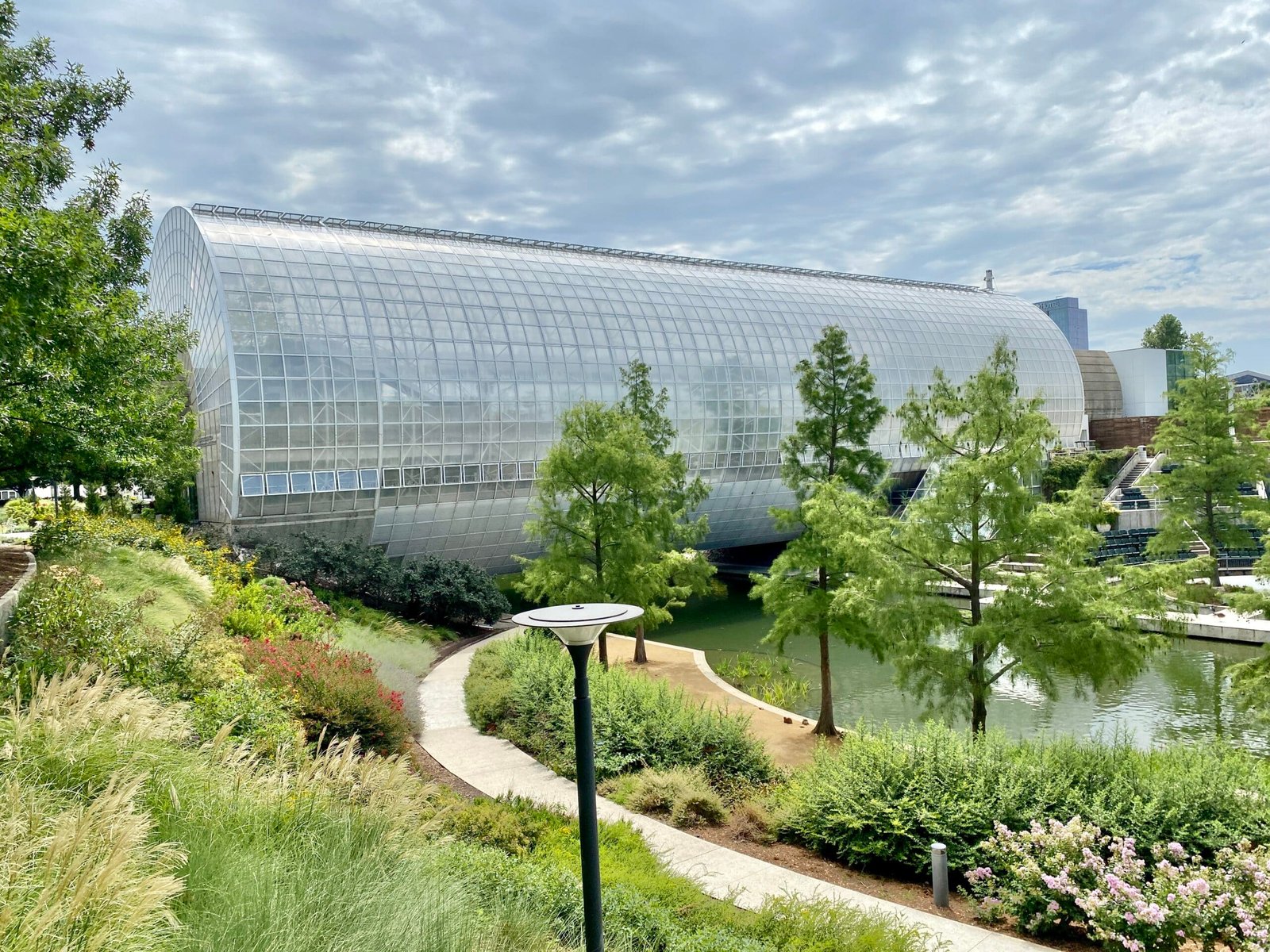
Imagine a massive cylinder floating above a sunken lake, that’s what hits you first when you spot the Crystal Bridge Conservatory. This 224-foot-long, 70-foot-wide structure looks like it’s breaking the rules of physics while holding one of America’s most remarkable plant collections.
Conklin Rossant, the well-respected New York architectural outfit behind the design, created something truly one-of-a-kind when they wrapped up the original $12 million structure back in 1988. The conservatory threw open its doors on March 25, 1988, but things took an exciting turn in 2021 when a major $11 million renovation got rolling. The project, finished in November 2022, turned the aging building into a cutting-edge botanical showpiece.
High-tech acrylic panels now pull in maximum natural sunlight while keeping climate conditions spot-on throughout the whole structure. These panels swapped out older systems and offer crystal-clear looks at the plant displays from every spot. The renovation tacked on 3,000 square feet of fresh plant displays, brought accessibility features up to modern standards, and built an improved gift shop experience.
Two Distinct Climate Zones Create Immersive Botanical Experience
Walk through those doors and you’ll find yourself in two completely different worlds. The Tropical Wet Zone down at the south end wraps you up in thick humidity and rich, dense plants that’ll make you forget you’re standing in Oklahoma. Thick leafy canopies filter the light while exotic plants build a jungle-like feel that whisks visitors off to far-away rainforests.
The north end flips the script entirely, the Tropical Dry/Desert Zone puts arid landscapes on display with varied succulent collections. Cacti, agaves, and other drought-tough plants show off nature’s amazing knack for surviving in rough conditions. This zone’s layout copies desert settings from across the globe, opening up chances to learn about how plants adapt and conserve water.
More than 1,000 plants representing hundreds of unique species call the conservatory home. The botanical team carefully tends these collections to highlight nature’s variety while teaching visitors about different ecosystems. The 2022 renovation grew the display spaces and upgraded growing conditions, making for healthier plants and more jaw-dropping presentations.
Spectacular Water Features and Elevated Viewing Experiences
A stunning 35-foot waterfall tumbles down from the conservatory’s mountain feature centerpiece, delivering both eye-catching drama and natural sounds that drown out city racket. The waterfall pours into reflecting pools that build peaceful vibes throughout the structure while keeping the conservatory’s ecosystem running.
The Cloud Bridge, a raised walkway up high, gives you treetop views that few botanical gardens can pull off. Visitors stroll among the canopy and get fresh angles on how plants grow while soaking in sweeping views of both the conservatory and downtown Oklahoma City through those clear acrylic walls.
Better accessibility features from the 2022 renovation make sure everyone can experience these elevated views and water features. New pathways, upgraded lighting, and modernized elevator systems make the conservatory welcoming for guests dealing with mobility challenges.
Free Outdoor Grounds Engineered for Urban Tranquility
The main lake sits 25 feet below street level, a deliberate engineering move that dials down city noise pollution and builds a natural sound barrier. This sunken design turns busy downtown traffic into distant background hum while water features and landscaping bring peaceful sounds to the foreground.
Bright Koi fish swim through the lake and connect to a wider canal system that winds all through the grounds. These fish create living art shows while keeping the gardens’ water ecosystem healthy. Visitors often lose track of time watching the fish and getting lost in the calming qualities of flowing water.
Daily access from 6am to 11pm opens up long stretches for recreation and relaxation. Early morning joggers, lunch-break office workers, and evening families all find space and activities that fit their schedules. This flexible approach squeezes the most community value from the gardens while serving different groups of people.
Diverse Outdoor Spaces Serve Multiple Community Functions
The Great Lawn works as the gardens’ main event space, playing host to concerts, picnics, and big community get-togethers. Its size and central spot make it perfect for Shakespeare in the Park shows, outdoor festivals, and casual fun and games.
Sheridan Lawn gives you a more close-knit option, a calmer green space that’s become a favorite for wedding ceremonies and smaller group events. Its design offers privacy while keeping with the gardens’ overall look and flow.
Meinders Garden & Terrace shows off ornamental plantings alongside elegant stone hardscapes that demonstrate formal garden design ideas. This area works as both an educational display and a refined gathering spot for more upscale events.
The off-leash dog park recognizes that city pet owners need quality places to let their dogs run. Positioned smartly to avoid bumping into other activities, this fenced area gives dogs safe exercise space while creating social spots for their owners. Mo’s Carousel brings classic family fun near the Children’s Garden, creating a hub of kid activity that pulls families in throughout the year.
Interactive Children's Garden Combines Play with Environmental Education
The Thunder Fountain, backed by the OKC Thunder NBA team foundation, builds an interactive water feature that gets kids playing while teaching water cycle ideas. Children can control water flows, build temporary dams, and experience water science through hands-on exploring.
Climbing structures and dirt mounds deliver physical challenges while specially picked sensory plants get kids learning through touch. Unlike lots of botanical displays, children here get the green light to touch plants, smell flowers, and experience nature directly through their senses.
The Porch works as a dedicated programming space for storytelling sessions, craft activities, and educational workshops. This covered area keeps programming running during different weather while giving comfortable spaces for group learning.
Educational programming puts emphasis on hands-on learning about ecology and biology through age-right activities. Roaming gnome classes, pumpkin painting workshops, and specialized botanical programs connect kids with natural processes while building awareness about the environment.
Staff get kids to explore through touch and direct engagement with plants and water features, creating memorable learning moments that traditional classroom settings just can’t match.
Year-Round Seasonal Festivals Draw Thousands of Visitors
Pumpkinville reshapes the gardens each October into Oklahoma’s biggest pumpkin festival, putting over 30,000 pumpkins, gourds, and melons to work. This massive display builds Instagram-perfect photo spots while serving as the foundation’s major ticketed event and main money-maker. The festival shows how non-profit botanical places can juggle community service with keeping the lights on financially.
The seasonal plaza goes through a dramatic winter makeover when the Devon Ice Rink opens each November. For roughly two months, this outdoor skating rink creates winter fun that’s rare in Oklahoma’s weather. Families bundle up for evening skating while surrounding lights build magical winter scenes.
Spring ushers in the spectacular Tulip Festival, featuring tens of thousands of bulbs that paint carpets of color across the grounds. This seasonal display demonstrates large-scale plant planning while opening up learning opportunities about bulb growing and seasonal gardening.
Full Moon Bike Rides build community cycling events that kick off and wrap up at the gardens, linking the facility with broader Oklahoma City recreation networks. These monthly events build community while spotlighting the gardens as a central hub for outdoor fun.
The on-site Farmers Market during warm months brings local growers to the gardens, building connections between city visitors and regional farming. Holiday lights and seasonal decorations keep the gardens visually interesting all year long while creating distinct atmospheric shifts that get people coming back.
Strategic Location and Accessibility in Oklahoma City's Cultural District
The central downtown spot at 301 W. Reno Avenue maximizes city accessibility while fitting in with Oklahoma City’s broader cultural and entertainment district. This location connects visitors to other downtown attractions, restaurants, and business areas through walkable distances.
Public transportation connections and available parking knock down common walls that stop people from visiting urban gardens. Multiple parking choices, including street parking and nearby garages, handle different visitor needs while public transit stops offer car-free access options.
The gardens work as part of a bigger urban planning vision for Downtown Oklahoma City revival. This integration with broader city development locks in long-term support while creating partnerships with other cultural spots, business development, and residential growth.
Community Impact and Economic Development Through Botanical Tourism
The non-profit foundation model keeps programming community-focused and accessible while staying financially solid. This partnership between the Myriad Gardens Foundation and Oklahoma City builds stable funding that supports both keeping the place up and growing programming.
Educational outreach programs serve local schools and community groups through field trips, classroom visits, and teacher training workshops. These programs stretch the gardens’ impact beyond casual visitors while building lasting community ties and environmental know-how.
Economic impact spreads through tourism, special events, and increased downtown foot traffic. Visitors to the gardens often check out surrounding businesses, restaurants, and attractions, creating ripple effects that help the broader Downtown economy. Volunteer programs get local community members involved in garden upkeep and programming, building ownership and ongoing support while cutting operational costs.
For visitors exploring Downtown Oklahoma City, a day at Myriad Botanical Gardens can easily turn into a full day of sightseeing, dining, and visiting nearby attractions. With more time spent on the road, unexpected vehicle trouble can sometimes become part of the trip. When your vehicle won’t start, you have a flat tire, or you need to move a disabled vehicle, having access to reliable towing service in Oklahoma City can help you get back on the road and continue your day.
When that happens, Five Star Towing is here to help. We provide towing and roadside assistance for drivers dealing with common vehicle problems across Oklahoma City. Whether you need a jump start, flat tire assistance, or vehicle towing, our team can help you handle the situation and get back on the road.
Frequently Asked Questions
The outdoor grounds are completely free and open to everyone daily from 6am to 11pm all year round. You can enjoy the lake, lawns, dog park, Children's Garden, and most fun amenities without paying a dime.
The Crystal Bridge Conservatory requires paid admission, though specific prices change based on age group and where you live. Many visitors spend hours checking out the free outdoor spaces before deciding whether to buy conservatory tickets.
According to the Myriad Botanical Gardens official website, the conservatory admission helps fund plant care, keeping the place up, and educational programming.
Special events like Pumpkinville need separate ticket purchases, while seasonal attractions like the Devon Ice Rink have their own pricing that changes based on how long you skate and what time you go.
The outdoor grounds keep steady hours year-round: 6am to 11pm daily, giving plenty of access for early morning exercisers, lunch-break visitors, and evening fun-seekers. These long hours fit different community schedules while keeping up security and maintenance standards.
The Crystal Bridge Conservatory runs on different hours that shift with the seasons and may close earlier than the outdoor grounds. According to Visit OKC's official tourism information, conservatory hours typically line up with standard attraction schedules but can change during special events, maintenance times, or holiday seasons.
The gardens' programming schedule includes early morning fitness classes, midday educational workshops, and evening events that take advantage of the full 17-hour daily access window.
Seasonal changes may affect specific attraction hours within the gardens, particularly during winter months when daylight shrinks and weather conditions shift.
Street parking around the gardens follows standard Oklahoma City metered and time-limited rules, with some free options available depending on where you are and what time it is. Several paid parking garages and surface lots serve the downtown area, giving secure options for longer visits.
The gardens' central downtown spot means parking costs and availability go up and down based on weekday business activity, special events, and seasonal tourism patterns. According to the Cultural Landscape Foundation's documentation of the site, the urban location was specifically picked to fit in with existing downtown infrastructure, including transportation and parking systems.
Visitors often combine garden visits with other downtown activities, making paid parking more economical when split across multiple stops. Weekend and evening parking tends to be easier to find and cheaper than weekday business hours.
Special events like Pumpkinville or major concerts may need advance parking plans because of increased demand and potential street closures.
The Crystal Bridge Conservatory is a distinctive cylinder-shaped structure stretching 224 feet long and 70 feet across, suspended dramatically over the gardens' sunken lake. Originally designed by New York's prestigious Conklin Rossant architectural firm, this $12 million building opened on March 25, 1988, and recently finished an extensive $11 million renovation in November 2022.
The conservatory houses over 1,000 plants representing hundreds of species within two distinct climate zones: a humid Tropical Wet Zone featuring dense jungle-like vegetation, and a Tropical Dry Zone showcasing desert plants and succulents from around the world.
Advanced acrylic panels pull in maximum natural sunlight while keeping climate control precise, creating perfect growing conditions year-round.
According to The Oklahoman's coverage of the renovation completion, the modernization added 3,000 square feet of new plant displays, improved accessibility features, and enhanced visitor amenities including a modernized gift shop and better pathway systems.
Dogs are welcome in designated areas of the outdoor grounds, including a dedicated off-leash dog park that gives fenced recreational space for safe exercise and socializing.
Leashed dogs can access most outdoor pathways and lawn areas, though they're not allowed in the Crystal Bridge Conservatory and certain sensitive garden zones where plant protection and visitor safety requirements matter.
The off-leash area features proper waste disposal stations, water access, and smart positioning that cuts down conflicts with other garden activities like children's programming or special events.
According to the gardens' official policies, dog owners must keep control of their pets, clean up waste, and make sure shots and local licensing requirements are current. The dog park's integration with the broader garden design shows the facility's commitment to serving different community needs while keeping up horticultural standards.
Peak usage times typically happen during cooler morning and evening hours when both dogs and owners find outdoor exercise more comfortable during Oklahoma's hot summer months.
Pumpkinville reshapes the gardens each October into Oklahoma's biggest pumpkin festival, featuring over 30,000 pumpkins, gourds, and melons arranged throughout the 15-acre grounds.
This signature event typically runs for several weeks during October, with specific dates changing each year based on weather conditions and operational planning. The festival serves as the Myriad Gardens Foundation's primary fundraising event, requiring advance ticket purchases because of high demand and capacity limits.
According to Myriad Botanical Gardens' media kit, Pumpkinville creates elaborate displays that work with the gardens' existing landscape features while adding themed decorations, photo opportunities, and seasonal programming.
Weekend visits often need advance reservations, particularly during peak fall weather when families hunt for autumn activities. The event demonstrates large-scale plant artistry while supporting the foundation's educational programming, facility upkeep, and community outreach work throughout the year.
Special programming during Pumpkinville includes guided tours, educational workshops about gourd growing, and photography sessions that take advantage of the spectacular seasonal displays.
A thorough visit typically takes 2-4 hours depending on what you're interested in and whether you include both the free outdoor grounds and the paid Crystal Bridge Conservatory.
Casual walkers exploring the outdoor spaces, lake areas, and children's garden can comfortably spend 1-2 hours enjoying the landscapes and fun amenities. Adding the conservatory stretches visits significantly, as the two distinct climate zones, water features, and plant collections deserve good exploration time.
According to Travel Oklahoma's destination information, many visitors combine garden tours with downtown dining or shopping, creating half-day or full-day experiences that make the most of their time in the cultural district.
Special events like Pumpkinville or seasonal festivals can stretch visits to 3-4 hours with additional programming, photo opportunities, and expanded displays. The gardens' extended daily hours (6am-11pm for outdoor grounds) fit flexible scheduling, letting visitors return for different experiences like morning fitness classes, lunch breaks, or evening events.
Families with children often spend longer stretches in the interactive Children's Garden and playground areas, while photography lovers may dedicate entire afternoons to capturing seasonal displays and architectural details.
The gardens provide several elegant venue options for wedding ceremonies and receptions, with Sheridan Lawn serving as the most popular ceremony spot because of its intimate atmosphere and sophisticated landscaping.
This quieter green space offers privacy while keeping the gardens' overall aesthetic beauty, creating perfect backdrops for outdoor ceremonies. Wedding packages typically include access to designated areas, basic facility amenities, and coordination with approved vendors who understand the gardens' operational requirements and plant protection rules.
According to the gardens' event policies, couples must book dates well ahead of time, particularly during peak wedding seasons when demand beats out availability. The Great Lawn handles larger celebrations, though its high visibility and multi-use nature require careful scheduling around other events and public programming.
Professional photography throughout the 15-acre grounds creates diverse backdrop options, from the dramatic Crystal Bridge architecture to intimate garden settings and waterfront spots.
Event coordination includes parking arrangements, vendor access, and timeline management that makes sure weddings complement rather than disrupt the gardens' daily operations and other visitor experiences.
The conservatory houses over 1,000 plants representing hundreds of species from around the world, organized into two distinct climate zones that showcase different ways plants adapt.
The Tropical Wet Zone features dense jungle vegetation including bromeliads, orchids, ferns, and towering palms that create multi-layered canopies similar to rainforest environments.
This humid section keeps moisture levels high to support plants that grow on other plants, flowering tropical species, and lush understory vegetation that demonstrates rainforest variety. The Tropical Dry Zone showcases desert adaptations through extensive succulent collections including various cacti species, agaves, euphorbias, and other drought-resistant plants from dry regions worldwide.
According to the conservatory's plant records, the 2022 renovation expanded growing areas by 3,000 square feet and improved environmental controls that support healthier plant communities. Educational signs throughout both zones explain how plants adapt, ecological relationships, and conservation efforts for endangered species.
Seasonal displays rotate certain collections to highlight blooming cycles, demonstrate growing techniques, and showcase new additions that expand the botanical variety. The conservatory's climate-controlled environment makes year-round displays of plants possible that couldn't survive Oklahoma's natural climate swings.
The gardens shine as family destinations through dedicated children's programming, interactive features, and educational opportunities designed specifically for young visitors.
The Children's Garden centerpiece, the Thunder Fountain funded by the OKC Thunder foundation, gets kids playing with water hands-on while teaching basic water science through controllable water flows and dam-building opportunities.
Unlike many botanical facilities, children here get actively encouraged to touch plants, smell flowers, and experience nature directly through sensory exploration. Climbing structures, dirt mounds, and touchable plant selections provide physical challenges while building environmental awareness through play-based learning.
According to the gardens' educational programming information, specialized workshops include roaming gnome classes, pumpkin painting, and botanical craft activities that connect children with natural processes.
The Porch provides covered programming space for storytelling sessions and group activities that keep going regardless of weather conditions. Mo's Carousel near the Children's Garden adds classic amusement appeal, while the expansive Great Lawn offers space for running, picnicking, and informal play.
Educational outreach programs serve local schools through field trips that line up with science curriculum standards, stretching the gardens' impact into formal education settings.
Myriad Botanical Gardens sits at 301 W. Reno Avenue in downtown Oklahoma City's central business and cultural district, strategically positioned to maximize city accessibility and integration with surrounding attractions.
This location places the gardens within walking distance of major downtown hotels, restaurants, entertainment venues, and business centers, making it easily accessible for both tourists and local residents.
The address puts visitors at the heart of Oklahoma City's urban revival area, where the gardens work as a green anchor point connecting different downtown neighborhoods.
According to the Cultural Landscape Foundation's site documentation, this central positioning was deliberately chosen as part of I.M. Pei's master plan for downtown development, making sure the gardens would serve as a unifying element in the city's urban landscape.
Public transportation stops near the gardens provide car-free access options, while multiple parking solutions handle visitors arriving by private vehicle. The downtown location lets visitors combine garden experiences with dining, shopping, cultural events, and business activities, creating economic partnerships that benefit both the gardens and surrounding businesses.
GPS navigation systems reliably locate the main entrance, though the 15-acre footprint means multiple access points serve different areas of the facility.
The gardens host year-round programming that includes major seasonal festivals, community classes, cultural performances, and special exhibitions designed to serve different community interests.
Pumpkinville in October represents the biggest annual event, transforming the grounds with over 30,000 pumpkins and gourds while generating significant revenue for ongoing operations and programming.
The Devon Ice Rink creates unique winter fun from November through January, offering outdoor skating experiences rare in Oklahoma's climate while demonstrating the gardens' flexibility for seasonal programming. Spring's Tulip Festival showcases tens of thousands of blooming bulbs in spectacular color displays that attract photography lovers and families seeking seasonal beauty.
According to the gardens' programming calendar, Full Moon Bike Rides create monthly community cycling events that connect the facility with broader recreational networks. The on-site Farmers Market during warm months brings local agricultural producers directly to city consumers, supporting regional food systems while educating visitors about local growing seasons.
Shakespeare in the Park performances use the Great Lawn's natural amphitheater setting, while fitness classes, educational workshops, and children's programming happen throughout the year.
Holiday light displays and seasonal decorations keep visual interest during all seasons, creating reasons for repeat visits and keeping community engagement year-round.
The seasonal Devon Ice Rink transforms the gardens' plaza into Oklahoma City's premier outdoor skating destination each winter, typically running from November through January depending on weather conditions and operational schedules.
This temporary setup creates genuine ice skating experiences using professional refrigeration systems that keep skating conditions right regardless of Oklahoma's variable winter temperatures.
Family skating sessions, adult-only periods, and special events like holiday parties provide different programming that serves different community groups throughout the season. According to the gardens' seasonal programming information, the rink handles both experienced skaters and beginners, with rental equipment available and basic instruction programs offered during peak usage times.
The outdoor setting creates unique winter fun that few Oklahoma venues can match, surrounded by holiday lights and seasonal decorations that boost the magical winter atmosphere.
Advance reservations are smart during peak times like weekends and holidays when demand beats capacity. The rink's integration with the gardens' existing setup provides warming areas, snacks, and restroom facilities that make for comfortable experiences during extended skating sessions.
Pricing structures change based on session length, time of day, and special event programming, with season passes available for frequent users who want to maximize their winter fun opportunities.
Comprehensive educational programming serves multiple age groups through hands-on workshops, school field trips, adult classes, and specialized training sessions that connect participants with plant science and environmental care.
School programs line up with Oklahoma science education standards, providing curriculum-connected experiences that boost classroom learning through direct engagement with plant biology, ecology, and conservation concepts.
According to the gardens' educational outreach documentation, programming includes teacher training workshops that help educators work botanical science into their classroom instruction.
Adult education offerings range from master gardener certification programs to specialized workshops on topics like native plant landscaping, sustainable gardening practices, and seasonal plant care techniques.
Children's programming puts emphasis on hands-on learning through activities like roaming gnome classes, seasonal craft workshops, and direct exploration that gets kids interacting directly with plants and natural systems.
The conservatory's two distinct climate zones provide living classrooms for studying how plants adapt, while outdoor gardens demonstrate sustainable landscaping and native plant communities.
Volunteer training programs get community members involved in garden upkeep and educational programming while building expertise that supports ongoing operations.
Research partnerships with local universities and conservation groups stretch educational impact while contributing to broader botanical and ecological research work that benefits regional environmental understanding.
The Thunder Fountain serves as the centerpiece of the Children's Garden, funded through the OKC Thunder NBA team foundation as an interactive water feature that mixes play with environmental education. This hands-on setup lets children control water flows, create temporary dams, and experiment with basic water science through engaging play experiences.
Unlike traditional fountains designed mainly for looks, this feature gets kids directly participating and learning through touch, helping children understand water cycle concepts, flow dynamics, and water ecosystems.
The fountain's design works in multiple water manipulation stations where children can redirect flows, observe cause-and-effect relationships, and team up on water management challenges that build both scientific understanding and social skills.
According to the gardens' children's programming information, the Thunder Fountain anchors broader educational activities that connect water conservation, environmental care, and Oklahoma's natural water resources.
Professional programming around the fountain includes guided exploration sessions, seasonal workshops, and curriculum-connected field trip activities that serve local schools and community groups. The feature's popularity with families makes it a primary draw for repeat visits while supporting the gardens' mission to create positive connections between children and natural environments that build lifelong environmental awareness and care values.
Driving Directions From Myriad Botanical Gardens, 301 W Reno Ave, Oklahoma City, OK 73102 to 5-Star Towing OKC, 2730, 2800 SW 25th St, Oklahoma City, OK 73108 - 10 min (3.9 miles) via Exchange Ave and S Pennsylvania Ave
Myriad Botanical Gardens, 301 W Reno Ave, Oklahoma City, OK 73102
Drive along Reno Ave, Exchange Ave, S Pennsylvania Ave and SW 25th St - 10 min (3.8 mi)
Turn left, Destination will be on the right - 57 sec (407 ft)
5-Star Towing OKC, 2730, 2800 SW 25th St, Oklahoma City, OK 73108
We also offer towing and roadside assistance near Myriad Botanical Gardens. Learn more about our next location Chisholm Trail Park OKC.